Harlequin Shrimp
Have you ever seen a shrimp that looks like it’s wearing a colorful puzzle on its shell? That’s the harlequin shrimp, a fascinating little creature with bright patterns and unique habits.
If you’re curious about what makes this shrimp so special and how it lives beneath the waves, you’re about to discover some surprising facts. Keep reading, and you’ll learn everything you need to know about the harlequin shrimp—its beauty, behavior, and why it might just be the most interesting shrimp you’ve ever heard of.
Habitat And Distribution
The habitat and distribution of the Harlequin Shrimp play a big role in its survival. These shrimps live in specific areas where they find food and shelter. Understanding where they thrive helps us learn more about their behavior and needs.
Preferred Environments
Harlequin Shrimp prefer coral reefs and rocky sea floors. They hide under coral branches or in crevices. These spots protect them from predators and strong currents. The water is usually warm and clear, perfect for their hunting style. They often live near sea stars, their main food source.
Geographic Range
Harlequin Shrimp are found in the Indo-Pacific region. This includes areas like the Red Sea, Hawaii, and the Great Barrier Reef. Their range spans from East Africa to the central Pacific Ocean. They live mostly in shallow waters up to 30 meters deep. These shrimps rarely move far from their home reefs.
Credit: aquariumfish.com
Physical Features
The Harlequin Shrimp stands out with its unique physical features. Its appearance is both striking and unusual. These features help it survive and thrive in its natural habitat.
Distinctive Color Patterns
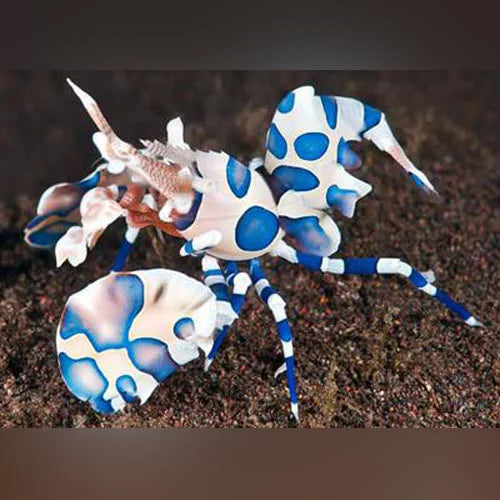
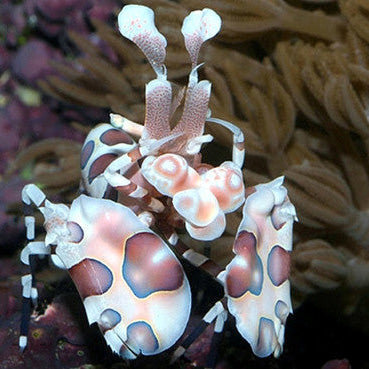
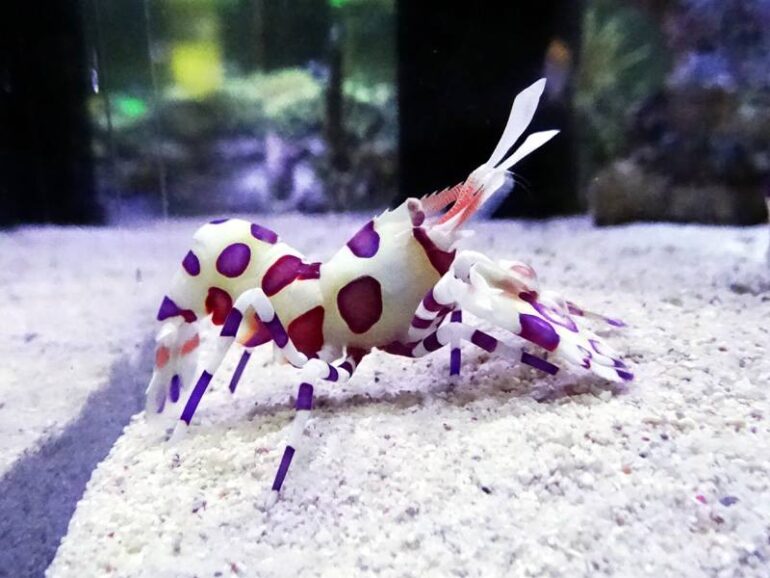
Harlequin Shrimp displays bright colors with bold patterns. Its body shows white, purple, and orange spots. These colors create a beautiful mosaic effect. The patterns differ slightly among individual shrimp. This variety helps them blend into coral reefs. The colors also warn predators that the shrimp is not easy prey.
Size And Shape
The Harlequin Shrimp is small, about 2 inches long. Its body is flat and wide, perfect for hiding in crevices. It has large, paddle-shaped claws used for feeding. The legs are slender but strong, aiding in movement. The shrimp’s shape allows it to navigate coral reefs easily. Its compact size helps it stay hidden from predators.
Behavior And Diet
Harlequin shrimp show unique behaviors that make them fascinating to watch. Their diet is very specific, which shapes how they live and hunt. Understanding their behavior and diet helps us learn how they survive in the wild.
Feeding Habits
Harlequin shrimp feed mainly on starfish. They carefully select their prey. These shrimp are not scavengers. They hunt live starfish, often targeting one at a time. Their feeding is slow and deliberate. They use their claws to flip the starfish over. This exposes the soft underside. Then, they start eating the starfish’s tube feet and soft tissues. They can eat a single starfish over several days. This diet makes them specialists in their environment.
Interaction With Prey
Harlequin shrimp use a smart approach to catch prey. They often work in pairs to handle larger starfish. One shrimp holds the starfish while the other feeds. This teamwork increases their success. They also avoid starfish with strong defenses. Their bright colors may warn predators about their tough diet. The shrimp’s slow movements help avoid startling prey. Their interaction with starfish is a mix of patience and precision.
Reproduction And Life Cycle
The reproduction and life cycle of the Harlequin Shrimp reveal unique behaviors and fascinating growth stages. These shrimp have a special way of mating and developing. Understanding these phases helps us appreciate their role in the ecosystem.
Mating Rituals
Harlequin Shrimp form strong pairs during breeding. They perform synchronized movements to attract each other. The male and female show colors and wave their legs. This dance strengthens their bond. After mating, the female lays eggs under her body. She carries them until they hatch. The male protects the female during this time.
Growth Stages
Harlequin Shrimp start life as tiny larvae. They float in the water for several weeks. During this time, they eat plankton to grow. After this, they settle on the ocean floor. They shed their shells several times to grow larger. As they mature, their bright colors develop. Adult shrimp hunt small sea creatures. This life cycle ensures their survival in the wild.
Role In Marine Ecosystems
The Harlequin Shrimp plays a unique role in marine ecosystems. It helps keep the balance between species. This small but powerful creature controls populations of certain sea animals. Its actions affect coral reefs and other marine life.
Understanding its role helps us see how oceans stay healthy. The shrimp’s behavior influences many parts of its environment. Let’s explore how it interacts with prey and impacts coral reefs.
Predator-prey Relationships
Harlequin Shrimp preys mainly on starfish. It uses its strong claws to flip starfish over. Then, it feeds on the soft underside. This hunting keeps starfish numbers in check.
By controlling starfish, the shrimp helps protect other marine creatures. Starfish can damage coral reefs if their population grows too large. The shrimp’s hunting prevents this problem.
Impact On Coral Reefs
Healthy coral reefs depend on balance. Harlequin Shrimp indirectly support coral by limiting starfish. Starfish eat coral, causing reef damage. The shrimp help stop this damage by reducing starfish threats.
Also, the shrimp’s presence encourages biodiversity. Coral reefs with balanced predator-prey relationships thrive better. This leads to stronger, more vibrant marine habitats.
Care In Aquariums
Harlequin shrimp are beautiful and unique creatures. They need special care to thrive in home aquariums. Understanding their needs helps keep them healthy and happy. This section covers how to care for harlequin shrimp in aquariums.
Tank Setup
Choose a tank at least 20 gallons in size. Provide plenty of live rock for hiding places. Harlequin shrimp love to explore and hide. Keep water temperature between 72 and 78°F. Maintain stable water conditions with good filtration. Use a gentle water flow to avoid stress. Keep the tank clean with regular water changes.
Feeding And Maintenance
Harlequin shrimp eat mainly starfish. Supply small starfish as their primary food source. Feed them every two to three days. Remove uneaten food to keep water clean. Monitor shrimp health and behavior daily. Keep tank free from predators like large fish. Maintain water quality with regular testing and cleaning.
Conservation Status
The conservation status of the Harlequin Shrimp is a concern for marine life lovers. This small but colorful shrimp faces many dangers in its natural habitat. Understanding its status helps protect this unique species.
Threats To Survival
Harlequin Shrimp suffer from habitat loss. Coral reef destruction reduces their homes. Pollution also harms the water quality they need. Over-collection for aquariums adds pressure on their population. These threats make their survival difficult.
Protection Efforts
Marine parks protect some Harlequin Shrimp habitats. Laws limit the collection of these shrimps. Conservation groups raise awareness about their needs. Sustainable aquarium trade practices help reduce harm. These efforts aim to keep their numbers steady.
Credit: vividaquariums.com
Credit: reefbuilders.com
How Smart Pets Lover Can Help You with Harlequin Shrimp
Exploring Harlequin Shrimp: A Hands-On Learning Journey
Understanding the fascinating behavior and diet of Harlequin Shrimp opens up practical learning opportunities for any marine enthusiast. Observing their unique feeding habits, especially how they prey on starfish, can deepen your appreciation of their role in marine ecosystems. This insight also highlights the importance of providing a suitable habitat if you’re considering aquarium care, ensuring their environment mimics natural conditions for healthier, stress-free shrimp.
As you explore their reproduction and life cycle, you’ll gain valuable knowledge about their delicate developmental stages, which is essential for responsible pet ownership. At Smart Pets Lover, we believe that learning about these creatures helps pet parents feel more connected to their aquatic companions, fostering empathy and informed care. For further guidance or questions on caring for Harlequin Shrimp, reaching out to local marine biology centers or aquarium experts can be incredibly helpful.
Remember, every small step you take in understanding these unique shrimp enriches your journey as a mindful pet parent, where every wag, purr, and chirp tells a story—even beneath the waves.
Frequently Asked Questions
What Do Harlequin Shrimp Eat In Captivity?
Harlequin Shrimp primarily eat starfish in captivity. They prefer small sea stars and consume them slowly. Feeding fresh or frozen starfish is essential for their health. Avoid feeding other foods as they may not thrive well.
How Big Do Harlequin Shrimp Grow?
Harlequin Shrimp grow up to 2 inches in length. Their vibrant colors and patterns make them popular in aquariums. Proper tank conditions and diet support their healthy growth.
Are Harlequin Shrimp Reef Safe?
Harlequin Shrimp are generally reef safe. They do not harm corals or other tank inhabitants. However, they specifically prey on starfish, which can be part of reef ecosystems.
How Long Do Harlequin Shrimp Live?
Harlequin Shrimp typically live 2 to 3 years in captivity. Proper care, diet, and tank conditions can extend their lifespan. Regular monitoring helps ensure their well-being.
Conclusion
Harlequin shrimp are fascinating creatures with bright colors and unique shapes. They live mostly in warm oceans and eat starfish. Many people enjoy watching them in aquariums because of their beauty. They need a clean tank and special care to stay healthy.
Understanding their habits helps keep them safe. These shrimp show how diverse ocean life can be. Caring for them teaches patience and respect for nature. They remind us to protect underwater worlds carefully.