Red Arowana
If you’re fascinated by stunning fish that brighten up your aquarium, the Red Arowana might just be what you’ve been looking for. With its vibrant color and graceful movements, this fish is more than just a pet—it’s a living piece of art.
But owning a Red Arowana comes with its own set of secrets and care tips that can make all the difference. Keep reading, and you’ll discover everything you need to know to keep your Red Arowana healthy, happy, and truly dazzling.
Your aquarium will never look the same again.

Credit: www.nationalgeographic.com
Red Arowana Traits
The Red Arowana is a stunning fish prized by aquarium lovers. Its unique traits make it a popular choice for many collectors. These traits include its physical look, color changes, and size growth. Understanding these features helps in caring for this beautiful fish.
Physical Features
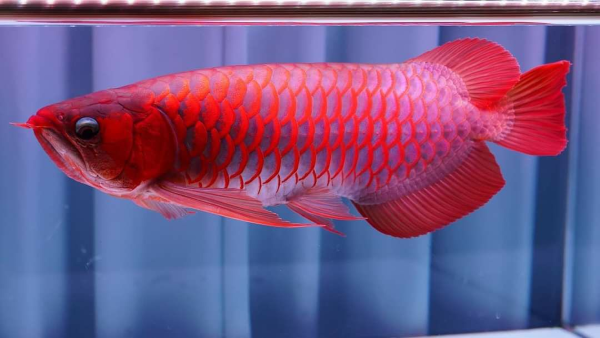
The Red Arowana has a long, slender body covered with large, shiny scales. Its body is flat on the sides and smooth on top. The fish has two long barbels on its lower jaw. These barbels help it sense the environment. It moves with graceful, flowing fins that add to its beauty.
Color Variations
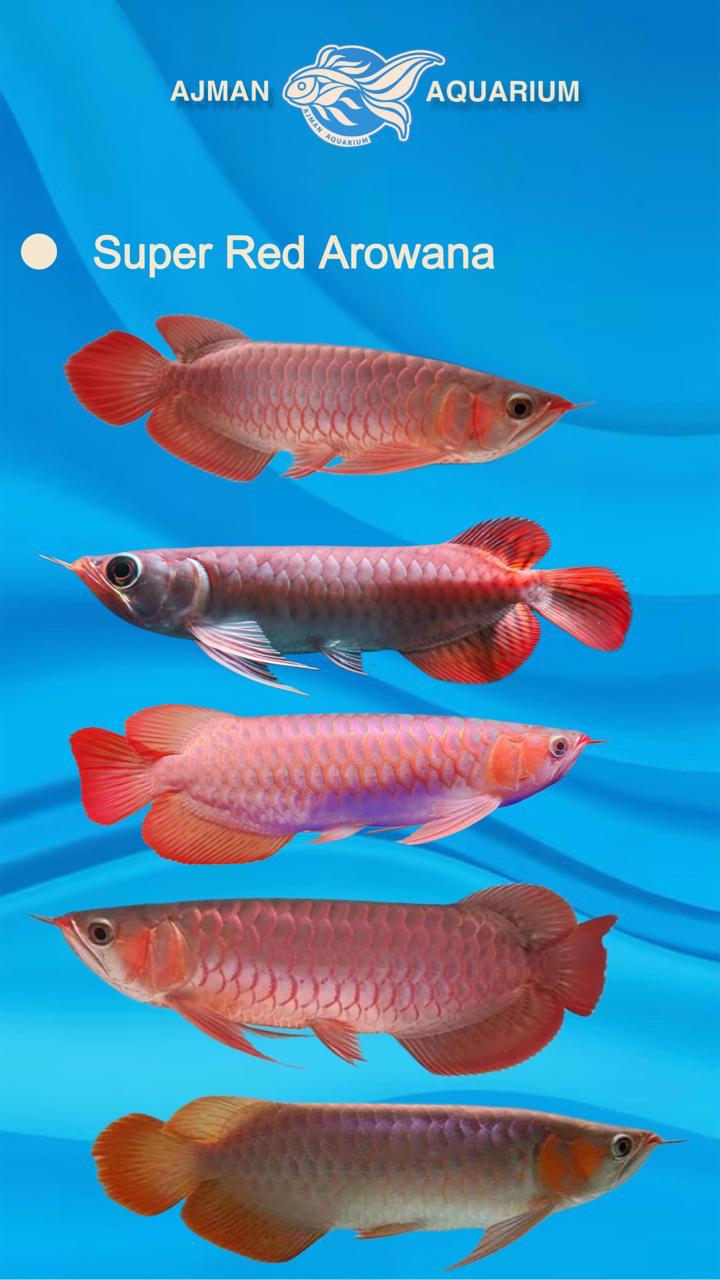
The Red Arowana shows different shades of red. Colors range from bright red to deep crimson. Some have a golden tint on their scales. The color may change with age and health. Bright red colors usually mean a healthy fish. Light or dull colors may signal stress or illness.
Size And Growth
The Red Arowana grows fast in its first year. It can reach up to 24 inches or 60 cm in length. Adult fish may grow larger in big tanks. Growth depends on diet and tank conditions. Proper care helps the fish reach its full size.
Natural Habitat
The Red Arowana is a stunning fish with a rich natural habitat. Understanding where it lives helps us appreciate its beauty and care needs. This fish thrives in specific environments that support its growth and health.
Knowing the natural habitat also guides hobbyists and aquarists in recreating the right conditions at home. Let’s explore the key aspects of the Red Arowana’s natural surroundings.
Geographic Location
The Red Arowana is native to Southeast Asia. It mainly lives in the rivers and lakes of Indonesia, Malaysia, and Thailand. These areas have warm climates and dense forest cover. The fish prefers slow-moving waters with plenty of plants.
Water Conditions
The Red Arowana thrives in soft, slightly acidic water. The pH level usually ranges from 6.0 to 7.0. Water temperature stays between 75°F and 86°F (24°C to 30°C). Clear water with low current suits this fish best. It often hides among underwater roots and plants.
Diet In The Wild
In the wild, the Red Arowana is a carnivore. It feeds on insects, small fish, and crustaceans. It hunts near the water surface and among plants. This diet provides high protein needed for its vibrant color and growth.
Tank Setup
Setting up a tank for a Red Arowana requires careful planning. These fish grow large and need space to swim freely. A proper tank setup helps keep your Red Arowana healthy and happy. Water quality, tank size, and decorations all matter. Each detail supports the fish’s well-being and natural behavior.
Creating the right environment mimics their natural habitat. This makes your Red Arowana feel safe and comfortable. It also reduces stress and prevents illness. Let’s explore the key points for a perfect tank setup.
Tank Size Recommendations
Red Arowanas can reach up to 3 feet long. A small tank will stunt their growth and cause health problems. Choose a tank at least 250 gallons. A longer tank is better than a tall one. Length gives the fish room to swim across. Bigger tanks also help keep water stable.
Water Parameters
Red Arowanas need clean, warm water. Keep the temperature between 75 and 82°F (24-28°C). The pH should stay between 6.5 and 7.5. Water hardness should be low to moderate. Test water regularly to avoid harmful changes. Use a strong filter to keep water clear. Change 25% of water every week for best results.
Aquascaping Tips
Keep decorations simple and safe. Use smooth rocks and driftwood with no sharp edges. Avoid plants that block swimming space. Floating plants are a good choice for shade. Leave open areas for swimming and jumping. Add a secure lid to prevent escapes. Red Arowanas are strong and can jump high.
Feeding Red Arowana
Feeding Red Arowana is essential for its health and vibrant color. These fish need a balanced diet to stay active and grow strong. Understanding their diet helps maintain their beauty and longevity.
Preferred Foods
Red Arowanas prefer live and fresh foods. They enjoy small fish, insects, and shrimp. High-quality pellets made for carnivorous fish also work well. Variety keeps them interested and healthy.
Feeding Frequency
Feed young Red Arowanas twice a day. Adult fish can be fed once daily. Overfeeding causes water pollution and health problems. Offer only as much as they can eat in a few minutes.
Supplements And Treats
Occasional treats boost Red Arowana nutrition. Use vitamin-enriched pellets or frozen foods like bloodworms. These supplements improve color and immune system. Treats should not replace the regular diet.
Health And Care
The health and care of a Red Arowana are essential for its long life and beauty. This fish needs clean water, good food, and a calm environment. Taking care of its health helps prevent diseases and stress. Understanding common problems and their signs keeps your Red Arowana strong.
Common Diseases
Red Arowanas can get diseases like fin rot, ich, and fungal infections. Fin rot causes torn and ragged fins. Ich shows as white spots on the body and fins. Fungal infections appear as cotton-like patches. Early treatment helps the fish recover fast.
Preventive Measures
Keep the tank clean and change water regularly. Use a good filter to remove waste. Feed the fish high-quality food with vitamins. Avoid overcrowding the tank. Quarantine new fish before adding them. Monitor water temperature and pH carefully.
Signs Of Stress
Stress makes the Red Arowana less active and hides often. It may lose color or stop eating. Gasping at the water surface shows low oxygen. Clamped fins or erratic swimming are warning signs. Spotting stress early helps prevent illness.
Credit: arowanafishstore.com
Breeding Red Arowana
Breeding Red Arowana is a fascinating process that requires patience and careful attention. These fish have unique behaviors during mating and need specific conditions to spawn successfully. Understanding their breeding habits helps ensure healthy offspring and a thriving aquarium environment.
Mating Behavior
Red Arowanas show strong bonding during mating. They swim side by side and perform gentle nudges. Males and females circle each other slowly. This behavior can last several days before spawning. The pair stays close to the water surface during this period.
Spawning Process
Spawning usually happens near floating plants or open water. The female releases eggs, and the male fertilizes them quickly. Both parents guard the eggs by staying nearby. Eggs float on the water surface and hatch in about a week. Clean water and stable temperature improve egg survival.
Raising Fry
After hatching, fry stay under parental care for days. Parents keep them safe from threats. Feeding small live foods like baby brine shrimp helps fry grow. Regular water changes keep the tank clean and healthy. Fry grow fast with good care and proper nutrition.
Compatibility
The Red Arowana is a striking fish that demands careful tank planning. Its size and behavior influence which fish can live alongside it. Understanding compatibility helps maintain a healthy aquarium environment.
Choosing the right companions reduces stress and prevents fights. The Red Arowana can be territorial and sometimes aggressive. Proper tank mates and management keep peace in the community tank.
Tank Mates
Large, peaceful fish make the best tank mates for Red Arowanas. Examples include large catfish, silver dollars, and some cichlids. Avoid small or slow-moving fish that may become prey. Fish with similar size and temperament fit well.
Aggression Management
Red Arowanas can show aggression during feeding or territory defense. Keep enough space between fish to lower tension. Use dividers or plants to create hiding spots. Feed all fish well to reduce competition and fights.
Community Tank Tips
Keep the tank large to give each fish room to swim. Regular water changes help keep fish healthy and calm. Watch fish daily for signs of stress or injury. Remove aggressive fish quickly to protect others.
Cost And Availability
The Red Arowana is a prized fish known for its bright color and elegance. Its cost and availability depend on several factors. Knowing these helps buyers make smart choices. This section covers the price range, where to buy, and legal points.
Price Range
The price of a Red Arowana varies widely. Young fish cost less than mature ones. A small Red Arowana might cost around $100 to $300. Larger and rare specimens can cost thousands of dollars. The price also depends on color intensity and health.
Where To Buy
Buy Red Arowanas from trusted fish stores or breeders. Online shops offer many options, but check reviews first. Fish expos and aquarium clubs may have sellers. Always see the fish before buying if possible. This helps confirm its health and quality.
Legal Considerations
Red Arowanas are protected in some countries. They are listed under international trade rules. Check local laws before purchasing one. Some places need permits or special licenses. Following rules avoids fines and keeps the fish safe.
Credit: ajmanaquarium.ae
How Smart Pets Lover Can Help You with Red Arowana
Learning from Your Red Arowana Journey
Bringing a Red Arowana into your home offers more than just a stunning centerpiece—it’s a chance to deepen your understanding of aquatic life and responsible pet care. From setting up the perfect tank environment to mastering their unique feeding habits, each step encourages practical learning that enriches your experience.
For instance, maintaining water quality and monitoring health signs teach valuable lessons in aquarium stewardship, while exploring breeding behaviors can ignite a fascinating curiosity about fish biology. These experiences align closely with Smart Pets Lover’s mission of helping pet parents feel confident and connected.
- Observe your Arowana’s natural behaviors to tailor care routines.
- Use insights from tank setup and feeding guides to create a thriving habitat.
- Engage with community resources to share knowledge and troubleshoot challenges.
If questions arise, reaching out to experienced hobbyists or consulting resources like Smart Pets Lover can provide thoughtful, research-backed advice. After all, every wag, purr, and splash tells a story worth learning from.
Frequently Asked Questions
What Is A Red Arowana Fish?
The Red Arowana is a vibrant, freshwater fish known for its striking red scales. It symbolizes luck and prosperity in many cultures. This species requires a large aquarium and careful care to thrive, making it popular among experienced aquarium hobbyists.
How Do You Care For A Red Arowana?
Red Arowanas need a spacious tank with clean, warm water between 75-86°F. They prefer a pH of 6. 0-7. 0. Feeding includes high-protein diets like insects and pellets. Regular water changes and tank maintenance are essential to keep them healthy.
What Is The Lifespan Of A Red Arowana?
A well-cared-for Red Arowana can live up to 15 years in captivity. Proper diet, clean water, and a stress-free environment contribute to their longevity. Their lifespan may vary depending on care quality and tank conditions.
Are Red Arowanas Aggressive Fish?
Yes, Red Arowanas can be aggressive and territorial. They often do better alone or with large, non-aggressive tank mates. Careful monitoring is required to prevent fights and injuries in a community aquarium.
Conclusion
The Red Arowana stands out with its bright color and graceful movements. It adds beauty to any aquarium and brings joy to owners. Caring for this fish needs patience and proper knowledge. Regular feeding and clean water keep it healthy and happy.
Watching the Red Arowana swim is calming and rewarding. This fish offers a special experience for those who love aquatic life. A Red Arowana is more than just a pet; it’s a living treasure. Choose it wisely and enjoy its vibrant presence every day.