Picasso Triggerfish
Have you ever seen a fish that looks like a living work of art? The Picasso Triggerfish is just that—vibrant, bold, and full of surprises.
If you’re curious about what makes this fish so unique and why it catches everyone’s attention, you’re in the right place. By the end of this article, you’ll know exactly why the Picasso Triggerfish stands out in the ocean and how it can add color and excitement to your underwater adventures or aquarium.
Ready to discover the secrets behind this stunning creature? Let’s dive in!

Credit: fordivers.store
Appearance And Colors
The Picasso Triggerfish is famous for its bright and unique look. Its colors and patterns make it stand out in the ocean. This fish is a favorite for many aquarium lovers because of its eye-catching design. Let’s explore the details of its appearance and colors.
Distinctive Patterns
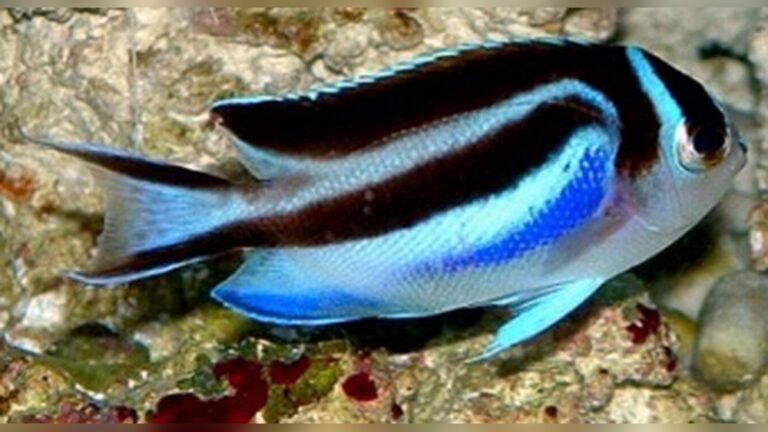
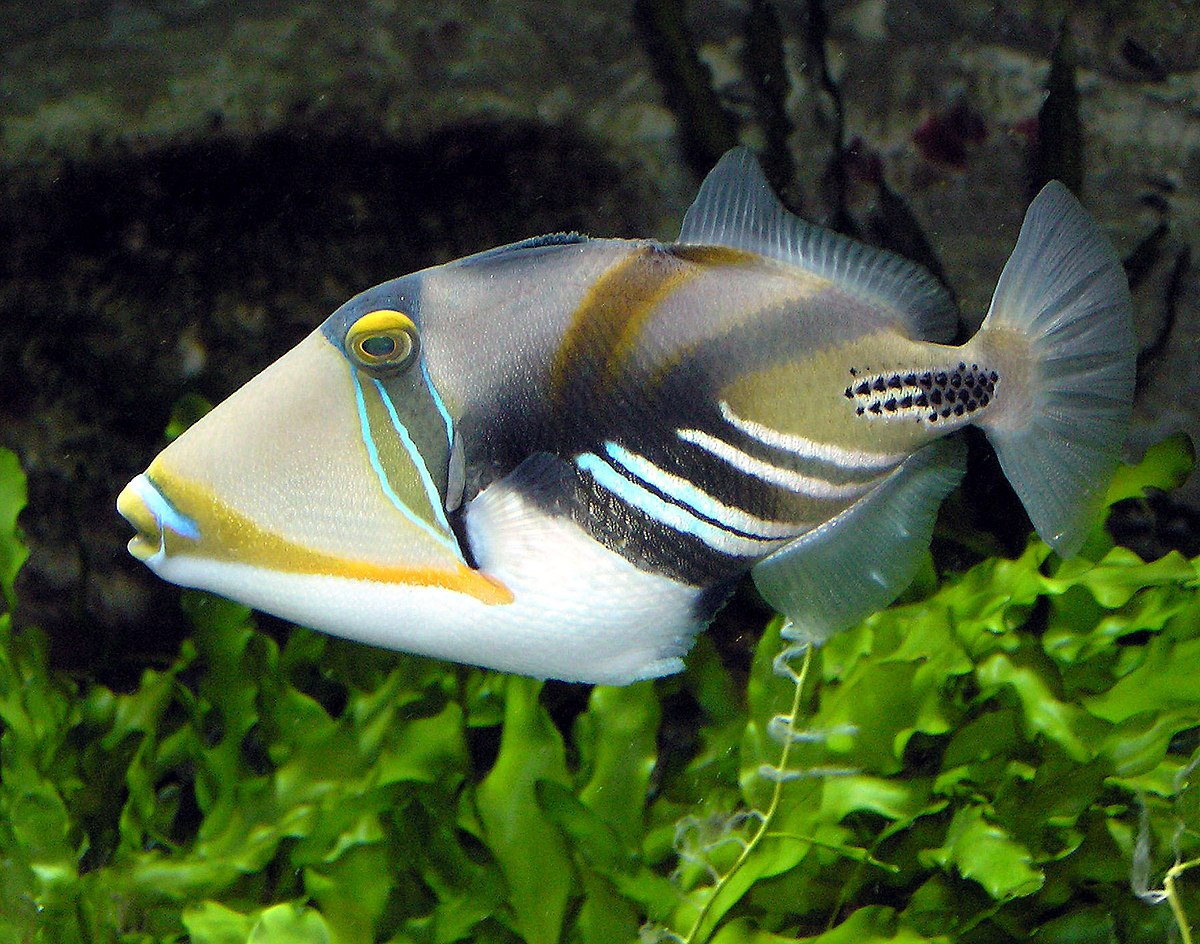
The Picasso Triggerfish displays bold, irregular shapes across its body. Black lines cut through patches of blue, yellow, and white. These patterns do not repeat on every fish, making each one unique. The face often has a dark mask-like stripe across the eyes. Bright spots and stripes add to its striking look. This mix of colors helps the fish blend with coral reefs.
Size And Shape
This fish has a strong, oval-shaped body. Its height is about half its length. Adult Picasso Triggerfish grow up to 12 inches long. The body is flat but thick, built for quick moves. The dorsal and anal fins are long and help with sharp turns. Its mouth is small but strong, perfect for crushing shells. This shape suits life in reef crevices and rocky areas.
Natural Habitat
The Picasso Triggerfish thrives in warm ocean waters. Its natural habitat plays a big role in its survival and behavior. Understanding where it lives helps us learn more about this colorful fish.
Geographic Range
This fish is mostly found in the Indo-Pacific region. It lives near countries like Indonesia, the Philippines, and Papua New Guinea. It also appears around the Great Barrier Reef in Australia. These areas offer the right conditions for the fish to live and breed.
Preferred Environment
Picasso Triggerfish prefer coral reefs and rocky areas. These spots provide shelter and food. They swim in shallow waters, usually between 1 and 30 meters deep. Clear water helps them find food and avoid predators. The fish also like places with plenty of hiding spots among corals.
Behavior And Diet
The Picasso Triggerfish is a fascinating species with unique behavior and eating habits. Understanding how it acts and what it eats helps us appreciate this colorful fish. Its behavior reflects its role in the coral reef ecosystem.
This fish has distinct feeding habits and social behavior that make it stand out. It uses clever methods to find food and interacts with other fish in interesting ways. Let’s explore these details to know more about the Picasso Triggerfish.
Feeding Habits
The Picasso Triggerfish is a strong and skilled hunter. It feeds mainly on hard-shelled animals like sea urchins, crabs, and mollusks. It uses its powerful jaws to crush shells easily. The fish often flips rocks and coral to find hidden prey. It eats small fish too, but mostly prefers bottom-dwelling creatures. This diet helps keep the reef clean and balanced.
Social Behavior
This triggerfish is mostly solitary and defends its territory fiercely. It guards its home area from other fish to protect food and breeding sites. During breeding, males become very aggressive to attract females. Outside mating times, it stays alone and avoids groups. The Picasso Triggerfish communicates by making sounds and body movements. These signals warn intruders or attract mates. Its behavior shows strong survival skills in the reef environment.
Credit: en.wikipedia.org
Care In Aquariums
The Picasso Triggerfish is a vibrant and active fish that can brighten any aquarium. Caring for it requires attention to its specific needs. Understanding its habitat, diet, and social behavior helps keep it healthy and happy.
Tank Requirements
Provide a large tank of at least 75 gallons. Picasso Triggerfish need plenty of swimming space. Use a tank with strong filtration and good water flow. The water temperature should be between 72°F and 78°F. Keep the pH level around 8.1 to 8.4. Add rocks and hiding spots to mimic their natural reef environment.
Feeding And Nutrition
Feed Picasso Triggerfish a varied diet. Offer meaty foods like shrimp, squid, and clams. Include high-quality pellets or flakes designed for carnivores. Feed small amounts two to three times daily. Avoid overfeeding to prevent water pollution. Fresh food helps maintain their vibrant colors and energy.
Compatibility With Other Fish
Picasso Triggerfish can be aggressive toward smaller fish. Choose tank mates that are large and robust. Avoid slow or shy species. Provide enough space to reduce territorial fights. Monitor fish behavior closely, especially during feeding times. Healthy social interactions help reduce stress.
Breeding And Lifespan
The Picasso Triggerfish shows fascinating breeding habits and has a notable lifespan. Understanding these traits helps aquarists and marine lovers care for this unique fish better. Breeding in the wild follows specific patterns that ensure the survival of the species. Lifespan depends on environment and diet, both in nature and captivity.
Reproductive Traits
Picasso Triggerfish are known for their territorial breeding behavior. Males prepare nests by digging in sandy or rubble areas. They guard the nest fiercely to protect eggs from predators. Females lay sticky eggs in the nest, attaching them to the substrate. Both parents may guard the eggs until they hatch. The eggs hatch in a few days, depending on water temperature. The young fish then swim away to start their own life.
Expected Lifespan
In the wild, Picasso Triggerfish usually live up to 8 years. Captive fish may live slightly longer with proper care. Good water quality and a balanced diet increase their lifespan. Stress and poor environment shorten their life. Regular monitoring helps maintain their health and longevity. These fish show good resilience when kept in suitable conditions.
Common Health Issues
Picasso Triggerfish are vibrant and active fish. They bring life to any saltwater aquarium. Like all fish, they face some health problems. Understanding these issues helps keep them healthy and happy. Early care can prevent many diseases. Watch your fish closely for signs of illness.
Diseases To Watch For
Picasso Triggerfish can suffer from common marine diseases. Marine ich, also called white spot disease, is a frequent problem. It shows as tiny white spots on the fish’s body. This disease causes itching and stress. Bacterial infections can cause wounds or redness. Fungal infections often appear as cotton-like growths. Swim bladder disorder affects swimming and balance. Watch for lethargy or unusual swimming patterns. Early detection is key to successful treatment.
Preventive Care
Good care reduces the risk of illness. Keep aquarium water clean and stable. Test water regularly for pH, ammonia, and nitrate levels. Provide a balanced diet rich in nutrients. Avoid overcrowding the tank to reduce stress. Quarantine new fish before adding them to the main tank. Regularly check fish for signs of disease. Clean tank equipment often to prevent bacteria buildup. Healthy fish have a better chance to resist disease.

Credit: www.youtube.com
How Smart Pets Lover Can Help You with Picasso Triggerfish
Practical Learning Opportunities with Picasso Triggerfish
Getting to know the Picasso Triggerfish beyond its striking appearance opens up wonderful chances for hands-on learning. Observing their natural behavior and diet in a well-maintained aquarium can teach pet parents about the delicate balance of marine ecosystems and the importance of mimicking natural habitats. Since caring for these fish involves understanding their specific dietary needs and common health issues, it encourages a deeper appreciation for responsible fish-keeping practices.
For those curious about breeding, witnessing the unique breeding behaviors of Picasso Triggerfish offers insights into aquatic life cycles and parental care strategies. At Smart Pets Lover, we believe that every interaction with pets, from fish to furry friends, tells a story that connects us more closely with nature. Exploring these topics can enrich your knowledge and confidence, turning aquarium care into a rewarding and educational experience.
If you have questions or want to share your experiences, reaching out to local aquatic clubs or marine biologists can be a great resource. Remember, thoughtful care creates a thriving environment where every wag, purr, and splash truly matters.
Frequently Asked Questions
What Does A Picasso Triggerfish Look Like?
The Picasso Triggerfish has vibrant colors with blue, yellow, and black patterns. Its body is oval-shaped and flat. The fish features distinctive lines resembling Picasso’s artwork, making it easily recognizable.
Where Is The Picasso Triggerfish Commonly Found?
Picasso Triggerfish are native to the Indo-Pacific region. They inhabit coral reefs and lagoons from East Africa to the Hawaiian Islands. They prefer shallow waters around 1 to 50 meters deep.
What Does The Picasso Triggerfish Eat?
This triggerfish mainly feeds on sea urchins, mollusks, crustaceans, and small fish. It uses strong jaws to crush shells. It plays a vital role in controlling reef invertebrate populations.
Is Picasso Triggerfish Suitable For Home Aquariums?
Picasso Triggerfish require large tanks due to their size and aggressive nature. They need plenty of hiding spots and a varied diet. They are best suited for experienced aquarists.
Conclusion
The Picasso Triggerfish is a colorful and unique fish to admire. It lives mostly in coral reefs and plays an important role there. Its bright patterns and strong body help it survive in the wild. Watching this fish can teach us about ocean life and nature’s beauty.
Protecting its home means keeping the ocean healthy. This fish is a small but vital part of the sea’s world. Learning about it brings us closer to the underwater life we often miss.