Moray Eel
Have you ever wondered what lurks beneath the ocean’s surface, slipping silently through the reefs? The moray eel is one of the most fascinating and mysterious creatures hiding in the underwater world.
With its sleek body and sharp teeth, it might look scary, but there’s much more to this creature than meets the eye. If you want to uncover the secrets of the moray eel and understand why it plays a key role in marine life, keep reading.
Your curiosity is about to be rewarded with surprising facts and insights you won’t want to miss.
Credit: www.seattleaquarium.org
Physical Features
Moray eels have unique physical features that make them stand out underwater. Their bodies and jaws are built for life in tight spaces. These features help them hunt and hide effectively. Understanding their shape, colors, and teeth reveals how they survive in their environment.
Body Shape And Size
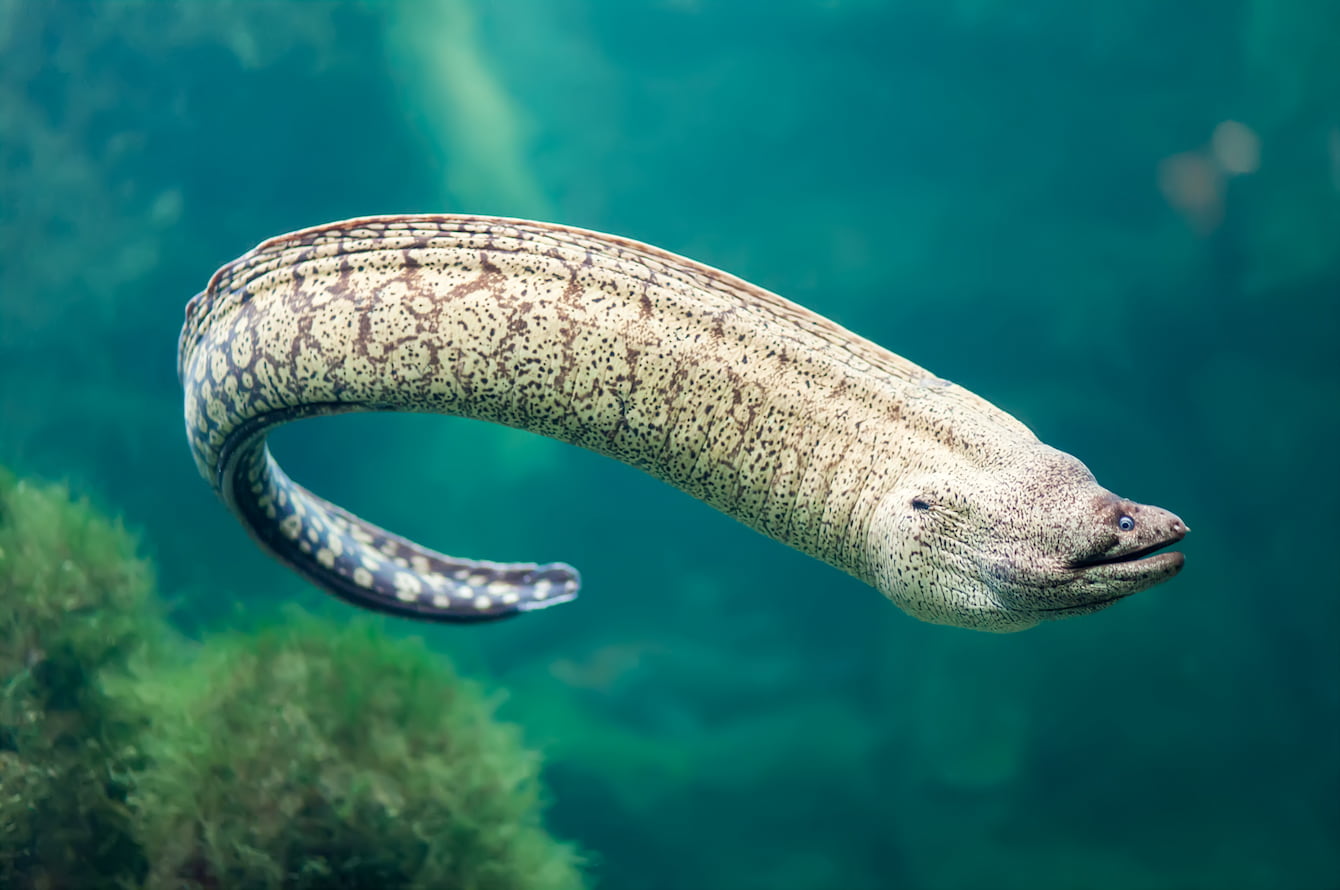
Moray eels have long, snake-like bodies. Their shape helps them move through narrow crevices in coral reefs. They can grow from one to over ten feet long. Their flexible bodies allow quick, smooth movements. This shape is perfect for ambushing prey.
Color Patterns
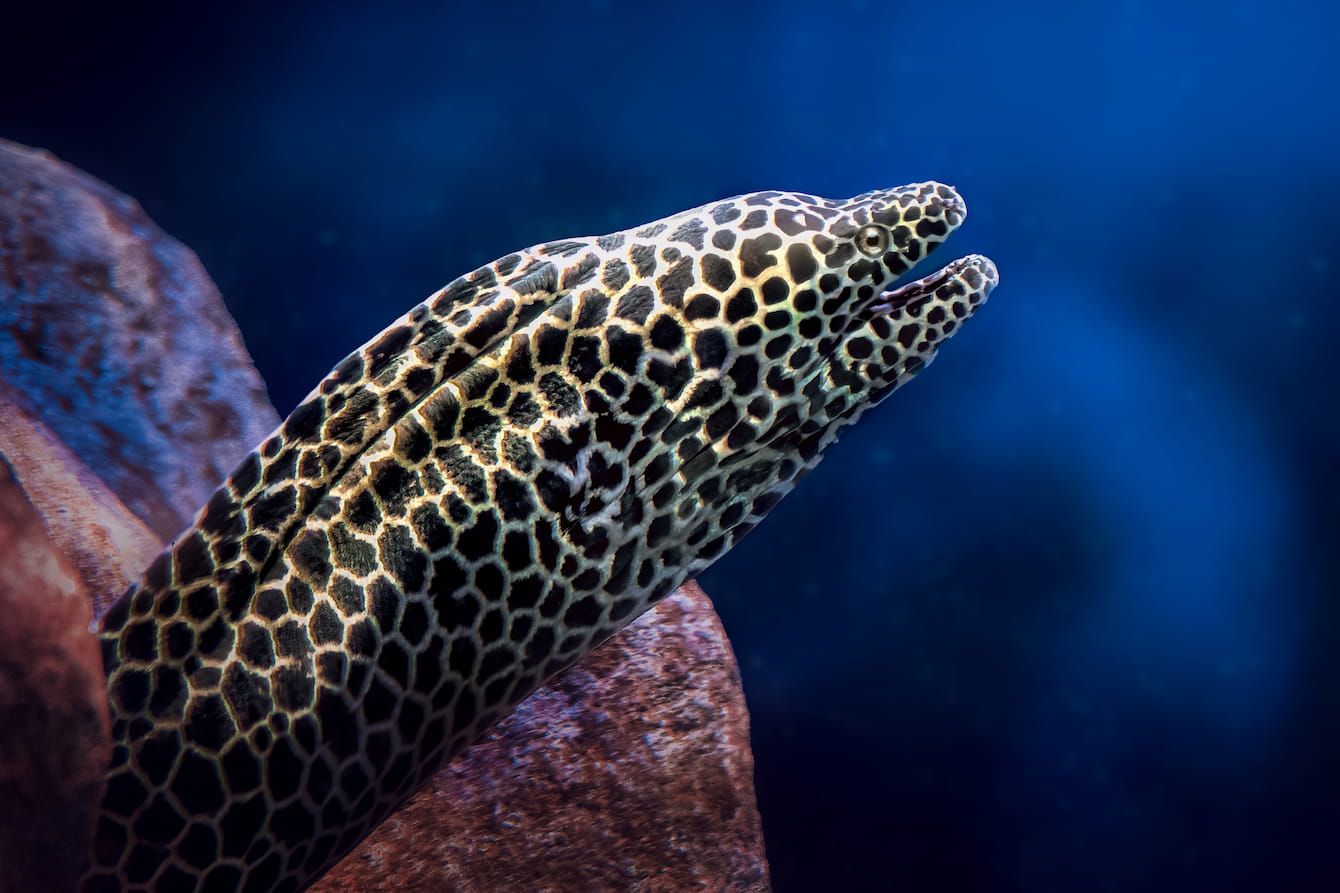
Moray eels show many color patterns. Some have spots, others stripes or plain colors. These patterns help them blend with coral and rocks. Colors range from bright yellows to dark browns and greens. Their skin often looks slimy, which reduces friction in water.
Teeth And Jaw Structure
Their teeth are sharp and pointed. Moray eels have two sets of jaws. The main jaw catches prey, the second jaw pulls it inside. This unique jaw system prevents prey from escaping. Their strong teeth help hold slippery fish and crustaceans.
Habitat And Distribution
Moray eels live in many parts of the ocean. Their habitat shapes how they live and hunt. Understanding where moray eels thrive helps us learn about their role in the sea.
Preferred Environments
Moray eels prefer warm, shallow waters near coral reefs. They also live in rocky areas with many hiding spots. Clear water with good oxygen levels suits them best. These environments offer food and shelter.
Geographic Range
Moray eels are found worldwide in tropical and subtropical seas. They live in the Atlantic, Pacific, and Indian Oceans. Some species live near the Caribbean and the Red Sea. Their range covers many coastal areas and islands.
Shelter And Territory
Moray eels hide in crevices and holes during the day. They use these shelters to stay safe from predators. Each eel defends a small territory around its shelter. They come out at night to hunt for food.
Behavior And Lifestyle
The behavior and lifestyle of the moray eel reveal a fascinating side of this underwater creature. Moray eels live mostly alone and spend their days in crevices or holes in coral reefs. They show unique habits that help them survive in the ocean’s complex environment.
Hunting Techniques
Moray eels hunt mostly at night. They use their sharp teeth and strong jaws to catch prey. Their slender bodies allow them to sneak through narrow spaces to surprise fish and crustaceans. Moray eels often stay hidden and wait patiently. Then, they strike quickly to grab their food.
Social Interactions
Moray eels are mostly solitary creatures. They live alone in their chosen hiding spots. Sometimes, they share space with other morays without fighting. These eels communicate using body movements and opening their mouths. This behavior helps them avoid conflict and stay safe.
Defense Mechanisms
When threatened, moray eels show their sharp teeth to scare enemies. They can also retreat quickly into their holes for protection. Their skin produces a slippery mucus that makes it hard for predators to hold them. This natural defense helps morays survive in dangerous waters.

Credit: www.biographic.com
Diet And Feeding Habits
The Moray Eel has unique diet and feeding habits. Its sharp teeth and long body help it catch prey. This eel mainly lives in coral reefs and rocky areas. It uses these places to hide and wait for food. Understanding its diet gives us insight into its role in the ocean.
Common Prey
Moray Eels eat fish, crustaceans, and cephalopods. They prefer small fish that swim near the reef. Crabs and shrimp also make up a large part of their diet. Sometimes, they eat octopuses and squid. Their strong jaws can crush hard shells easily.
Feeding Times
Moray Eels usually hunt at night. Darkness helps them surprise their prey. They stay hidden during the day. At night, they become active and search for food. This pattern helps them avoid bigger predators.
Role In The Food Chain
Moray Eels are important predators in the ocean. They keep fish and crustacean populations balanced. This helps maintain a healthy reef ecosystem. Larger animals sometimes prey on Moray Eels too. Their presence supports the ocean’s natural food web.
Reproduction And Life Cycle
Moray eels have a unique way of reproducing and growing. Their life cycle involves several stages, starting from mating to becoming adults. Understanding their reproduction helps us appreciate these fascinating sea creatures more.
Mating Rituals
Moray eels mate by coming together in hidden places. Males and females often show bright colors to attract each other. They perform gentle movements to communicate readiness. This courtship can last for several days. It helps ensure both partners are ready for reproduction.
Egg Laying And Development
After mating, females lay thousands of tiny eggs in safe spots. These eggs float in the water, protected by a sticky layer. The eggs hatch after a few days. The larvae drift with ocean currents, feeding on plankton. This stage is crucial for their survival.
Growth Stages
Young moray eels grow slowly while hiding in reefs. They look different from adults, with transparent bodies. As they mature, their colors and patterns develop. Adults can reach lengths of up to 10 feet. They become strong hunters and live in crevices.
Credit: www.seattleaquarium.org
Human Interaction
Moray eels have a unique relationship with humans. They appear in fishing, aquariums, and sometimes cause safety concerns. Understanding these interactions helps appreciate these mysterious creatures better.
Fishing And Consumption
Moray eels are caught in some coastal areas. People eat them as a local delicacy. Their meat is firm and has a mild taste. Fishermen use nets and traps to catch them. Overfishing can affect their populations. Sustainable practices are important for their survival.
Aquarium Keeping
Many hobbyists keep moray eels in home aquariums. They require large tanks with hiding spots. Their care needs include clean water and proper food. Morays can live for many years in captivity. They add excitement and uniqueness to marine tanks. Proper knowledge is needed to keep them healthy.
Safety And Risks
Moray eels can bite if threatened. Their bites are painful and may cause infection. Divers and snorkelers should avoid touching them. Morays often hide in crevices and caves. Respecting their space reduces risks. Wearing gloves and protective gear helps during handling.
Conservation Status
The conservation status of the moray eel is an important topic. It helps us understand how safe or at risk these creatures are. Moray eels live in many ocean areas. Some types are more common, while others face serious threats. Protecting moray eels means protecting ocean health too.
Scientists watch their numbers closely. They study how different factors affect their survival. Knowing this helps guide efforts to keep moray eels safe for the future.
Threats To Survival
Moray eels face several dangers. Pollution harms their ocean homes. Chemicals and trash damage coral reefs where they live. Overfishing is another big problem. People catch moray eels by accident or for food. Habitat loss also reduces safe places for them. Climate change warms oceans and affects their food supply.
Protective Measures
Many places now protect moray eels and their habitats. Marine parks stop fishing in key areas. Laws limit catching and trading moray eels. Reef restoration projects help rebuild damaged homes. Education programs teach people why moray eels matter. Scientists work with communities to promote ocean care.
Population Trends
Some moray eel populations stay stable. Others show decline due to threats. Small, isolated groups are at higher risk. Regular surveys help track these changes. Data guides conservation plans and actions. Continued efforts can improve population health over time.
Interesting Facts
Moray eels are fascinating creatures with many surprising traits. Their unique features and behavior make them stand out in the ocean. Let’s dive into some interesting facts about these mysterious fish.
Unique Adaptations
Moray eels have long, snake-like bodies that help them move through tight spaces. They use their sharp teeth to catch slippery prey like fish and octopuses. Their second set of jaws, called pharyngeal jaws, can extend forward to grab food. This rare feature helps them eat quickly and safely. Moray eels also have a thick mucus layer on their skin. This layer protects them from parasites and infections in their rocky homes.
Cultural Significance
Many coastal cultures see moray eels as symbols of power and mystery. In some Pacific island traditions, moray eels are linked to legends and spiritual stories. Fishermen respect them for their strength and cleverness. In art and tattoos, moray eels often represent protection and hidden strength. Their fierce look and secretive nature inspire awe and curiosity worldwide.
Records And Trivia
The largest moray eel can grow over 10 feet long. Some species live in coral reefs, while others prefer rocky crevices. Moray eels can close their gills tightly to keep water flowing over their gills while hunting. They are mostly nocturnal hunters, active at night. Despite their scary teeth, moray eels are not usually aggressive toward humans unless provoked.
How Smart Pets Lover Can Help You with Moray Eel
Learning from the Moray Eel’s Unique Lifestyle
Understanding the moray eel’s behavior and habitat offers a fascinating glimpse into marine life that can enrich your appreciation for aquatic pets and ecosystems. These eels thrive in rocky crevices and coral reefs, showcasing how environment shapes lifestyle and feeding habits. Observing their diet and hunting techniques encourages us to think about providing stimulating, naturalistic settings for fish in home aquariums.
At Smart Pets Lover, we believe that every pet story—from a wagging tail to the silent glide of a moray eel—teaches us something valuable. By learning about the moray eel’s physical features and reproductive cycle, you can better grasp the complexities of aquatic life and the importance of conservation efforts. If you’re curious to explore more or need guidance on responsible pet care, our team is always ready to help—because feeling confident and connected with animals is what truly matters.
Frequently Asked Questions
What Do Moray Eels Eat In The Wild?
Moray eels primarily eat fish, octopuses, and crustaceans. They are nocturnal hunters using sharp teeth to catch prey. Their diet varies by species and habitat.
Are Moray Eels Dangerous To Humans?
Moray eels can bite if provoked or threatened. Their bites are painful but rarely fatal. They usually avoid human contact and attack only in self-defense.
How Do Moray Eels Breathe Underwater?
Moray eels breathe by pumping water through their gills. They often open and close their mouths to force water flow. This keeps oxygen moving efficiently while they stay hidden.
Where Do Moray Eels Live?
Moray eels inhabit tropical and subtropical oceans worldwide. They prefer rocky reefs, coral crevices, and underwater caves. These environments provide shelter and hunting grounds.
Conclusion
Moray eels are fascinating creatures of the ocean. They live in rocky crevices and coral reefs. Their long bodies and sharp teeth help them catch prey. They play an important role in the underwater world. Watching them can teach us about marine life.
Respecting their habitat keeps oceans healthy and balanced. Exploring more about moray eels brings wonder and knowledge. Nature holds many secrets, and moray eels are one of them.