Six Line Wrasse
Are you looking to add a splash of vibrant color and lively personality to your aquarium? The Six Line Wrasse might be just what you need.
This small but striking fish is known for its bold stripes and energetic behavior. If you want to know how to care for it, what makes it special, and why it’s a favorite among fishkeepers, keep reading. By the end, you’ll be ready to welcome this fascinating creature into your underwater world.
Appearance And Identification
The Six Line Wrasse is easy to spot in the ocean. Its bright colors and unique shape make it stand out. Understanding its appearance helps identify it quickly on coral reefs or in aquariums.
This fish is small but vibrant. Its look is both simple and striking. Let’s explore its color, size, and special features.
Color Patterns
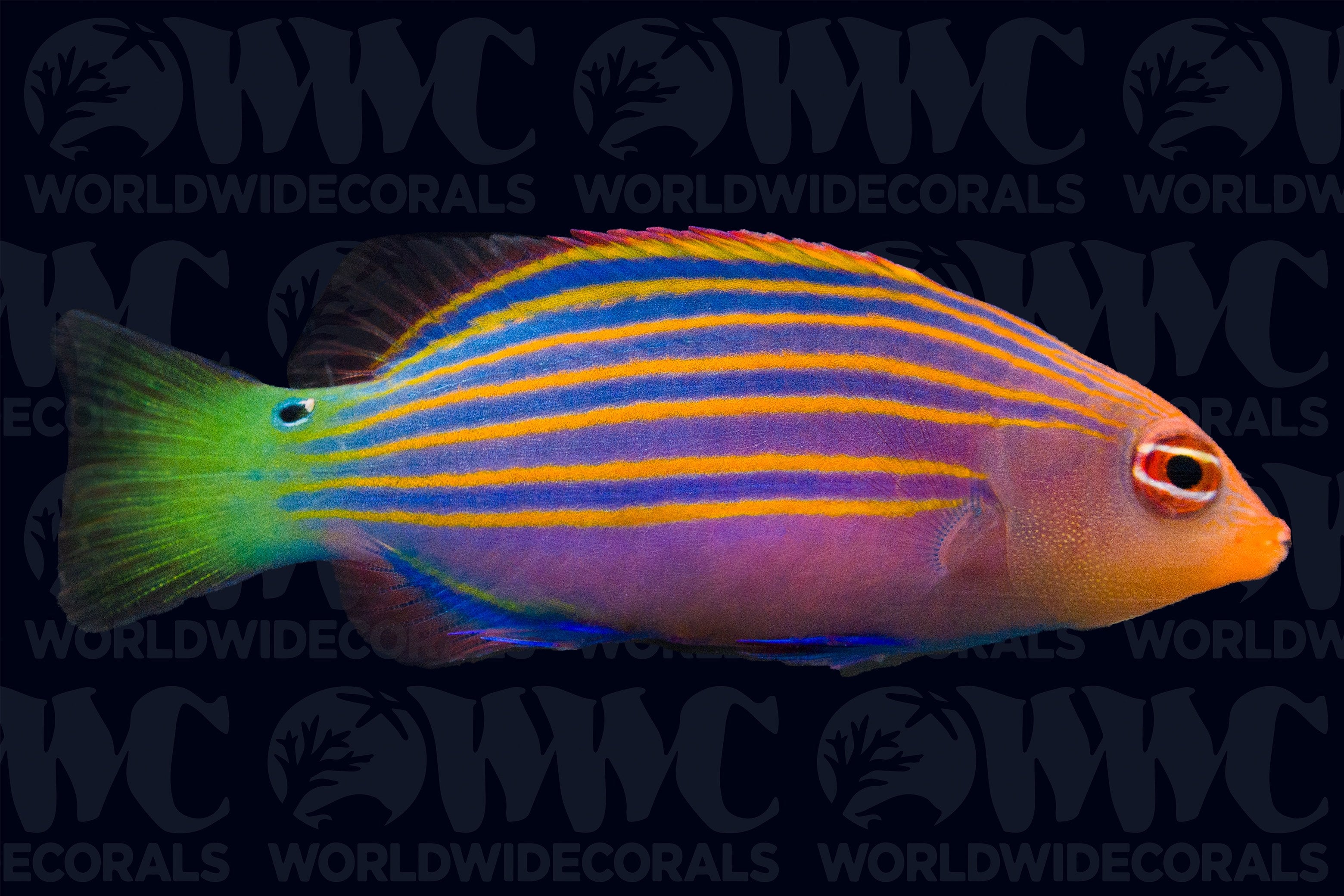
The Six Line Wrasse has six thin, bright blue lines. These lines run across its body from head to tail. The background color is usually orange or yellow. This mix creates a bright, eye-catching pattern. The blue lines shine under sunlight or aquarium lights.
Size And Shape
This fish is small, growing up to 3 inches long. It has a slim and elongated body. The shape helps it swim quickly through coral branches. Its tail is slightly forked, aiding fast turns. The small size makes it perfect for tight spaces.
Distinguishing Features
The Six Line Wrasse has a pointed snout. It uses this to search for food in crevices. Its eyes are large and dark, standing out on its head. The fins are clear or lightly colored. These features make it easy to tell apart from other wrasses.
Credit: worldwidecorals.com
Natural Habitat
The Six Line Wrasse is a colorful fish known for its active nature. It thrives in warm ocean waters. Its natural habitat plays a key role in its behavior and health. Understanding where it lives helps aquarists care for it better.
This fish prefers specific environments that offer safety and food. It moves quickly among coral reefs and rocky areas. The natural habitat supports its diet and social habits.
Geographic Range
The Six Line Wrasse lives mainly in the Indo-Pacific region. It is common near islands and coastal reefs. Countries like Indonesia, the Philippines, and Australia have many of these fish. They are less common in colder waters.
Preferred Environments
This wrasse favors coral reefs with lots of hiding spots. It stays close to rocks and coral branches. These areas protect it from predators. The fish also searches for small invertebrates in these spots. Clear water with good flow helps it find food easily.
Depth And Water Conditions
Six Line Wrasse usually lives in shallow waters. It can be found from 1 to 20 meters deep. The water temperature is warm, between 24 and 28 degrees Celsius. It prefers clean, well-oxygenated water. Stable conditions keep it healthy and active.
Behavior And Social Structure
The Six Line Wrasse shows interesting behavior and social patterns. It lives in coral reefs and has clear habits that help it survive. Understanding these behaviors helps aquarium hobbyists and marine lovers care for them better.
This fish is active and alert. It uses its behavior to protect its space and find food. Its social life is simple but important for its well-being.
Territorial Habits
Six Line Wrasse is very territorial. It defends a small area against other fish. This space usually includes hiding spots and food sources. The fish chases away intruders with quick movements and bright colors. This behavior keeps it safe and helps control its environment.
Interaction With Other Fish
This wrasse interacts carefully with other fish. It can be aggressive toward fish that enter its territory. But it often ignores peaceful species. It may even clean other fish by removing parasites. This cleaning helps form friendly relationships in the reef.
Activity Patterns
Six Line Wrasse is active during the day. It swims around searching for small prey. At night, it rests in crevices or coral holes. Its daytime activity helps it avoid predators and find food easily. This daily rhythm suits reef life well.
Diet And Feeding
The Six Line Wrasse has a diet that fits its active lifestyle. It feeds on small creatures found in coral reefs. Understanding its diet helps keep this fish healthy in an aquarium. Feeding habits in the wild differ from those in captivity. Learning both is important for anyone who cares for this fish.
Natural Diet
In the wild, Six Line Wrasses eat tiny crustaceans and small invertebrates. They search coral crevices for amphipods and copepods. This diet gives them protein and energy. They also eat small worms and fish eggs. Their natural food is rich in nutrients and easy to find.
Feeding Techniques
Six Line Wrasses use quick movements to catch prey. They dart into coral to grab small animals. Their sharp eyesight helps locate food hiding in tiny spaces. These fish are active hunters. They keep moving to find enough food throughout the day.
Feeding In Captivity
In an aquarium, Six Line Wrasses need similar food to their natural diet. Offer frozen or live brine shrimp, mysis shrimp, and small crustaceans. Feed small amounts two to three times daily. Avoid overfeeding to keep water clean. They accept high-quality pellet or flake food too. Variety keeps them healthy and active.
Care In Aquariums
The Six Line Wrasse is a lively and colorful fish. It adds life to any marine aquarium. Caring for it needs attention to its environment and company. Understanding its needs helps keep it healthy and active.
Proper care means knowing tank size, water quality, and tank mates. These factors affect the fish’s well-being. Let’s explore the key points of Six Line Wrasse care.
Tank Requirements
The Six Line Wrasse needs a tank of at least 30 gallons. It swims actively, so space is important. A tank with live rock offers hiding spots and grazing areas. Good water flow helps mimic its natural habitat. A secure lid is needed because this fish can jump out.
Water Parameters
Keep the water temperature between 72°F and 78°F. The pH should stay around 8.1 to 8.4. Salinity must be stable, with specific gravity near 1.020 to 1.025. Clean water and regular changes prevent disease. Monitor ammonia, nitrite, and nitrate levels closely.
Compatibility With Other Species
Six Line Wrasse can be territorial. It may chase smaller or passive fish. Choose tank mates that are robust and fast. Avoid slow or shy fish to reduce stress. It generally gets along with larger, non-aggressive species. Add it last to the tank to reduce fights.
Breeding And Reproduction
The breeding and reproduction of the Six Line Wrasse are fascinating to observe. These fish show unique behaviors during their mating and spawning. Understanding these stages helps aquarists care for them better. The process includes courtship, spawning, and raising the young fry.
Each phase plays a key role in the survival of their offspring. The Six Line Wrasse uses distinct signals to communicate readiness for breeding. Their reproductive cycle is closely linked to their environment and social structure.
Mating Behavior
Male Six Line Wrasses display bright colors to attract females. They perform quick movements and dance-like actions near the female. This courtship helps build a bond between the pair. Males often show dominance by chasing away rivals. The female chooses a mate based on these displays.
Spawning Process
Spawning occurs in open water, usually at dusk or dawn. The female releases eggs into the water column. The male then releases sperm to fertilize the eggs. This process happens quickly to reduce threats from predators. Fertilized eggs float until they hatch into larvae.
Raising Fry
Once hatched, fry are very small and fragile. They drift in the water, feeding on tiny plankton. Parents do not protect the fry after spawning. Fry must find food and avoid predators on their own. Providing a safe tank environment improves fry survival rates.
Common Health Issues
The Six Line Wrasse is a hardy fish but can face health problems. Knowing common health issues helps keep them safe and happy. Early care improves their life and reduces risk of disease.
Disease Prevention
Clean water is key for Six Line Wrasse health. Change water often and check quality. Use a good filter to remove waste. Avoid overcrowding the tank. Provide a balanced diet with fresh food. Stress weakens their immune system. Keep tank conditions stable and quiet.
Signs Of Illness
Watch for changes in behavior. Loss of appetite is a common sign. Look for white spots or unusual marks. Slow swimming or hiding may mean sickness. Gills moving fast shows breathing trouble. Swelling or redness on the body needs attention. Early notice helps prevent serious problems.
Treatment Options
Isolate sick fish to stop spread. Use medicated food for internal issues. Baths with salt water can help skin problems. Follow medicine instructions carefully. Keep water clean during treatment. Monitor the fish daily for improvement. Consult a vet for serious cases.

Credit: en.wikipedia.org
:strip_icc()/GettyImages-147048222-e5894a8994ab4618a4d2f88ad7364d31.jpg)
Credit: www.thesprucepets.com
How Smart Pets Lover Can Help You with Six Line Wrasse
Practical Learning Through Six Line Wrasse Care
Understanding the Six Line Wrasse goes beyond admiring its vibrant appearance or natural habitat. For pet parents eager to deepen their connection, observing its behavior and social structure offers valuable lessons in patience and respect for aquatic life. Noticing how this lively fish interacts in its environment can teach you about the importance of creating balanced aquarium communities.
Feeding routines provide another practical learning opportunity. By tailoring diet and feeding practices to mimic natural habits, you develop a mindful approach to responsible pet care—something we at Smart Pets Lover believe is key to nurturing any animal companion. Watching for common health issues also sharpens your skills in early detection and proactive care.
If you have questions or want to share experiences about Six Line Wrasse care, connecting with fellow enthusiasts or trusted sources can be invaluable. Remember, every moment spent learning brings you closer to understanding these fascinating fishes, making your aquarium a thriving, joyful habitat.
Frequently Asked Questions
What Is The Natural Habitat Of The Six Line Wrasse?
The Six Line Wrasse naturally lives in coral reefs across the Indo-Pacific region. It prefers shallow waters with plenty of hiding spots. This habitat provides ample food and protection from predators, ensuring its survival and vibrant coloration.
How Big Does A Six Line Wrasse Grow?
Six Line Wrasse typically grows up to 3 inches (7. 6 cm) in length. Its small size makes it suitable for home aquariums. Despite its size, it is active and colorful, adding beauty to reef tanks.
What Does The Six Line Wrasse Eat?
The Six Line Wrasse primarily feeds on small invertebrates and parasites. It helps control pest populations like bristle worms in aquariums. Its diet includes crustaceans, worms, and small crustaceans found in reef environments.
Is The Six Line Wrasse Reef Safe For Aquariums?
Yes, the Six Line Wrasse is generally reef safe but can be territorial. It coexists well with peaceful fish but may chase smaller or timid tank mates. Proper tank size and hiding spaces reduce aggression.
Conclusion
The Six Line Wrasse adds color to any reef tank. It stays active and helps control pests. This fish adapts well to many aquarium setups. Feeding is simple with common frozen or live foods. Its peaceful nature makes it a good community fish.
Caring for this wrasse brings joy and interest. Consider adding one to brighten your underwater world.