Best Reef Salt
Choosing the best reef salt for your aquarium can feel overwhelming. You want your coral and marine life to thrive, but the right salt mix makes all the difference.
If you’ve ever struggled with cloudy water or struggling corals, this guide is for you. We’ll help you find the perfect reef salt that keeps your tank healthy, vibrant, and full of life. Ready to give your underwater world the care it deserves?
Keep reading to discover what sets the best reef salt apart.
Top Reef Salt Brands
Choosing the right reef salt is key to a healthy marine aquarium. Quality salt mixes support coral growth and fish health. Reef keepers trust certain brands for their balance and purity. These brands offer formulas that mimic natural seawater closely. Understanding top reef salt brands helps in making the right choice for your tank.
Popular Choices Among Hobbyists
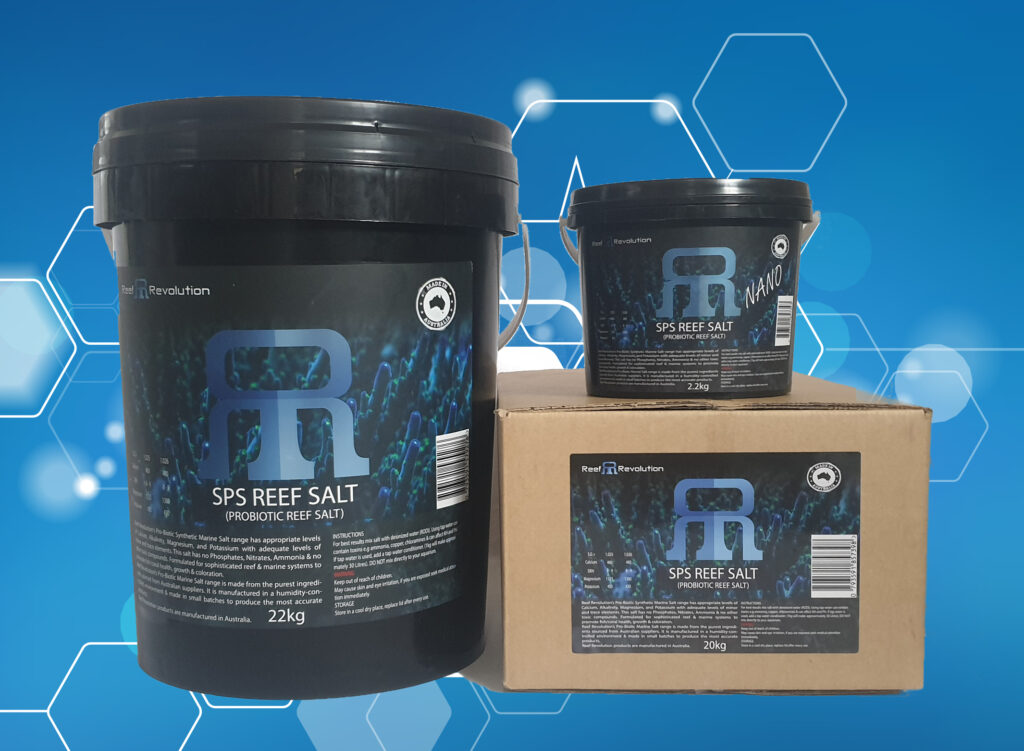
Many hobbyists prefer brands with proven track records. Instant Ocean is widely used for its consistent quality. Red Sea Salt is favored for reef tanks with sensitive corals. Tropic Marin offers a natural seawater-like mix that many trust. Brightwell Aquatics also stands out for its premium ingredients. These brands provide reliable water chemistry for marine life.
Premium Vs Budget Options
Premium reef salts tend to have higher purity and better ingredient blends. They support more demanding coral species and fragile ecosystems. Budget options offer good basic water parameters at a lower cost. These are suitable for beginner tanks or less sensitive setups. Choosing between premium and budget depends on tank needs and budget size.
Credit: reefrevolution.com.au
Key Ingredients To Look For
Choosing the best reef salt requires knowing what ingredients are essential. These ingredients help keep your reef tank healthy. They support coral growth and keep fish safe. Understanding these key components makes a big difference in your tank’s success.
Essential Minerals And Elements
Reef salt must contain essential minerals like calcium and magnesium. Calcium helps corals build strong skeletons. Magnesium keeps calcium levels stable and prevents algae growth. Other minerals like potassium and strontium are also important. They support coral color and growth. A good reef salt balances all these minerals well.
Trace Elements Importance
Trace elements are tiny but vital for reef health. Elements like iodine, iron, and zinc support coral metabolism. They help corals fight diseases and stress. Even small amounts improve coral color and growth. Reef salt with a proper mix of trace elements keeps your tank balanced. This helps create a natural ocean-like environment for your reef.
Mixing And Usage Tips
Mixing reef salt properly is key for a healthy marine aquarium. Using the right methods keeps water safe and balanced for your corals and fish.
Small mistakes in mixing can cause stress or harm to your reef life. Follow these tips to get the best results and maintain stable water conditions.
Proper Water Parameters
Check temperature before mixing. Ideal range is 75-80°F (24-27°C). Use fresh, clean water without chlorine or chloramine.
Salinity matters. Aim for 1.023 to 1.026 specific gravity. Use a refractometer or hydrometer to measure accurately. Adjust slowly to avoid shocking your animals.
Maintain pH between 8.1 and 8.4. This range supports coral growth and overall health. Test regularly and adjust as needed with buffers.
Best Practices For Mixing
Use a clean container free of soap or chemicals. Mix salt into water, not water into salt. This prevents clumping and uneven dissolving.
Stir the solution gently but thoroughly. Avoid vigorous shaking that creates bubbles. Bubbles can affect salinity readings.
Let the saltwater rest for at least 24 hours. This allows complete dissolving and stabilizes water chemistry. Test all parameters before adding to your tank.
Mix smaller batches for daily use. This keeps salt fresh and reduces waste. Store unopened salt bags in a cool, dry place.

Credit: reefhub.pl
Comparing Synthetic And Natural Salts
Choosing the right reef salt is key for a healthy aquarium. Synthetic and natural salts are two main options. Each type offers unique benefits and challenges for hobbyists. Understanding their differences helps you care better for your reef.
Pros And Cons
Synthetic salts are made in labs. They have consistent quality and exact mineral balance. This makes dosing easier and predictable. Yet, some formulas may lack natural trace elements. Natural salts come from seawater. They contain a full range of minerals and elements. This supports a natural environment. But natural salts can vary by batch. This may affect water chemistry and stability.
Impact On Coral Health
Corals need stable water conditions to grow well. Synthetic salts provide stable, repeatable conditions. This reduces stress on corals. Natural salts offer a richer mix of trace elements. These help corals develop bright colors and strong skeletons. Variations in natural salts may cause slight changes in coral behavior. Choosing the right salt depends on coral species and tank needs.
Maintaining Stable Reef Conditions
Maintaining stable reef conditions is key to a healthy aquarium. Stable water creates a safe space for corals and fish to grow. Sudden changes in water quality can stress your reef inhabitants. Consistent care helps avoid these harmful shifts and keeps your reef vibrant.
Role Of Salt In Water Stability
Salt mixes with water to create the right environment for reef life. The salt provides essential minerals and trace elements. These elements support coral growth and marine health. Using high-quality reef salt ensures these minerals stay balanced. Poor salt mixes can cause imbalances and stress aquatic life.
Good reef salt maintains stable pH, alkalinity, and calcium levels. Stability in these factors helps corals build their skeletons. It also supports beneficial bacteria that keep water clean. The right salt mix reduces fluctuations that harm your reef.
Regular Testing And Adjustments
Testing your water regularly helps spot changes early. Check parameters like salinity, pH, and nitrate levels. Consistent testing helps keep conditions steady and safe. Small adjustments prevent big problems and coral stress.
Adjust salt concentration carefully based on test results. Use a reliable hydrometer or refractometer for accuracy. Keep notes to track changes over time. Regular checks make your reef tank a stable and healthy home.
User Reviews And Experiences
User reviews and experiences offer valuable insights into the best reef salt products. They reveal real results and common issues faced by hobbyists. This section shares honest feedback from users and tips from experienced aquarists.
Common Feedback
Many users praise reef salt for its ease of use and quick dissolving time. They notice stable water parameters after regular use. Some report clearer water and healthier corals within weeks. A few mention slight variations in salinity levels, urging careful measurement. Most agree that quality reef salt supports marine life well. Some users find certain brands offer better trace elements. Negative feedback often relates to price or shipping delays. Few users have concerns about cloudiness during mixing, which clears quickly. Overall, feedback highlights the importance of consistent water changes and proper mixing.
Tips From Experienced Aquarists
Seasoned aquarists recommend dissolving reef salt in warm water for faster mixing. They suggest using a powerhead or stirrer to avoid clumps. Testing salinity before adding water to the tank is vital. Experienced users advise adding reef salt gradually, not all at once. Store reef salt in a dry, cool place to maintain quality. Many recommend mixing fresh batches every few weeks for best results. Some share that patience is key—allow time for water to stabilize. Monitoring water parameters regularly helps detect issues early. Experienced aquarists stress the importance of balancing calcium and alkalinity alongside reef salt use.

Credit: www.youtube.com
How Smart Pets Lover Can Help You with Best Reef Salt
Learning Through Choosing the Best Reef Salt
Understanding the best reef salt goes beyond just picking a brand off the shelf. It’s a hands-on journey that teaches you about key ingredients and how they impact your tank’s delicate balance. As you compare synthetic and natural salts, you’ll start to appreciate the nuances in maintaining stable reef conditions—knowledge that’s invaluable for any reef enthusiast.
At Smart Pets Lover, we believe every pet parent’s learning curve is an opportunity to build confidence and connection with their aquatic companions. Exploring user reviews and mixing tips can turn routine tasks into moments of discovery, helping you become more attuned to your reef’s unique needs.
- Track water parameters regularly to see how different salts affect your tank.
- Experiment with mixing techniques to find what works best for your setup.
- Engage with communities or resources for shared experiences and advice.
If questions arise, reaching out to knowledgeable sources can make all the difference. Feel free to connect with Smart Pets Lover for insights that help you nurture a thriving reef environment—because every pet story deserves a happy, healthy chapter.
Frequently Asked Questions
What Is The Best Reef Salt For Marine Aquariums?
The best reef salt provides essential minerals and trace elements for coral growth. Choose brands with balanced calcium, magnesium, and alkalinity levels. Popular options include Red Sea Coral Pro Salt and Instant Ocean Reef Crystals.
How Often Should I Change Reef Saltwater?
Change 10-20% of your reef aquarium water every 1-2 weeks. Regular water changes maintain water quality and replenish vital elements for coral health.
Can I Mix Reef Salt With Tap Water?
No, always use purified or RO/DI water to mix reef salt. Tap water contains impurities and chemicals harmful to sensitive marine life.
How Do I Prepare Reef Saltwater Correctly?
Dissolve reef salt in purified water at recommended salinity (1. 025 specific gravity). Mix thoroughly and aerate for 24 hours before adding to the aquarium.
Conclusion
Choosing the best reef salt helps keep your aquarium healthy. Good salt mix supports coral growth and fish wellbeing. Always check ingredients and water parameters before buying. Consistent water quality leads to a thriving reef tank. Simple care and the right salt make a big difference.
Your reef will thank you with vibrant colors and life. Keep testing water regularly for best results. Enjoy the beauty of a healthy reef aquarium every day.