Emperor Angelfish
If you’ve ever been mesmerized by the vibrant colors and unique patterns of marine life, the Emperor Angelfish will captivate you like no other. This stunning fish isn’t just a feast for your eyes—it holds secrets about underwater beauty and care that you’ll want to uncover.
Whether you’re a curious hobbyist or someone looking to add a splash of color to your aquarium, understanding the Emperor Angelfish can transform the way you appreciate ocean life. Ready to discover what makes this fish so special and how it can brighten your world?
Keep reading—your next favorite fish is waiting.
Appearance
The Emperor Angelfish is one of the most striking fish in the ocean. Its look is unique and colorful. The fish’s appearance changes as it grows. These changes help it survive and blend into its habitat. Observing its colors and size reveals fascinating details.
Color Patterns
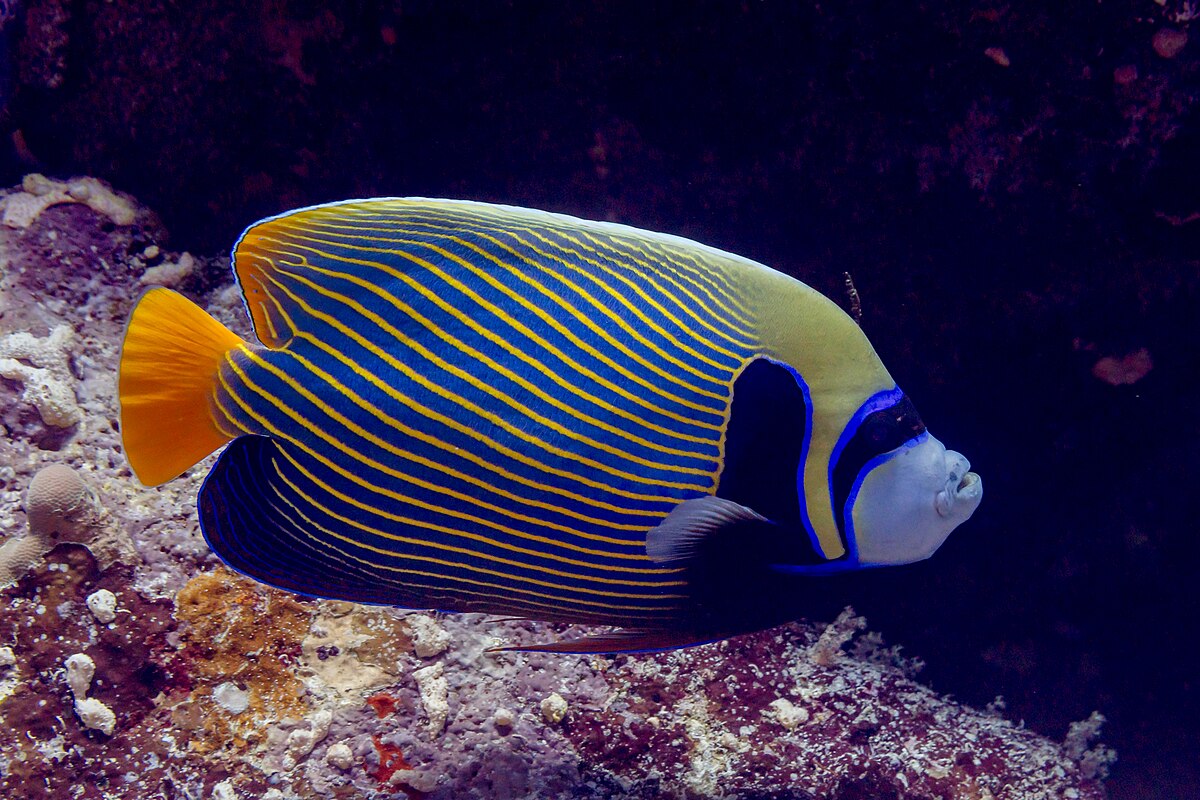
The Emperor Angelfish displays bright and bold colors. Adults have yellow and blue stripes that run horizontally. Their face shows a dark mask over the eyes. The tail is bright yellow, adding contrast. These colors serve as a warning and camouflage.
Size And Shape
This fish grows up to 15 inches long. It has a flat, oval body that is easy to recognize. The fins are rounded and smooth, aiding in agile swimming. Its body shape helps it move through coral reefs quickly and with ease.
Juvenile Vs Adult
Juvenile Emperor Angelfish look very different from adults. Young fish have blue and white circular bands that swirl around their bodies. These patterns fade as they mature. Adults gain the striped pattern and dark face mask. This change signals their growth and maturity to others.
:strip_icc()/GettyImages-101050429-b0c0815ca50c4a37a1de7e0a467789ef.jpg)
Credit: www.thesprucepets.com
Habitat
The Emperor Angelfish lives in warm ocean waters. It thrives in coral reefs where food and shelter are abundant. This fish prefers clear, tropical seas that support rich marine life. Understanding its habitat helps us appreciate its beauty and behavior.
Geographic Range
Emperor Angelfish are found across the Indo-Pacific region. Their range extends from the Red Sea to the Hawaiian Islands. They also appear near Australia and the Indian Ocean. These fish choose areas with healthy coral systems.
Preferred Environment
This angelfish favors coral reefs and rocky areas. It hides among coral branches for protection. The fish feeds on sponges and small invertebrates there. Clean water and stable temperatures are important for its survival.
Depth Range
Emperor Angelfish live at depths from 1 to 100 meters. They usually stay around 10 to 60 meters deep. Shallow waters provide more food and shelter. At greater depths, they avoid strong sunlight and predators.
Behavior
The Emperor Angelfish shows fascinating behavior in the wild. Its actions help it survive and thrive in coral reefs. Understanding these behaviors gives insight into their daily life and needs.
This fish is known for its bright colors and unique habits. Each behavior plays a role in how it interacts with others and its environment.
Social Structure
Emperor Angelfish often live alone or in pairs. They form strong bonds with their mates. Groups are rare and usually small. This fish prefers quiet, stable social settings. It avoids crowded or noisy areas. Their social life helps protect them from predators.
Territorial Habits
These fish defend their space fiercely. They mark territories around coral reefs. Intruders get chased away quickly. Territory size depends on food and shelter availability. This behavior ensures enough resources for survival. It also helps reduce fights among neighbors.
Feeding Patterns
Emperor Angelfish feed mainly on sponges and algae. They graze during the day, especially in early morning. Their diet helps keep coral reefs healthy. They pick food carefully from reef surfaces. This feeding habit supports coral growth and balance.
Credit: en.wikipedia.org
Diet
The diet of the Emperor Angelfish plays a key role in its health and vibrant colors. These fish have specific food needs in the wild and in aquariums. Understanding their diet helps keep them strong and active.
Natural Food Sources
In the ocean, Emperor Angelfish eat a mix of plants and animals. They feed on sponges, algae, and small invertebrates. Their diet varies with the reef’s availability. Eating sponges helps them get important nutrients. Algae provide energy and fiber. Small animals add protein and variety to their meals. This diverse diet supports their bright colors and growth.
Feeding In Captivity
In home aquariums, a balanced diet is vital for Emperor Angelfish. Offer a mix of frozen, live, and prepared foods. Include sponge-based foods to mimic their natural diet. Supplement with algae sheets and vegetable matter. Protein sources like brine shrimp or mysis shrimp are good. Feed small amounts two to three times daily. Avoid overfeeding to keep water clean and fish healthy. A proper diet keeps the Emperor Angelfish lively and colorful in captivity.
Breeding
Breeding Emperor Angelfish is a fascinating process. It shows their natural behavior clearly. These fish have unique ways to attract partners and care for their young. Understanding their breeding helps in conservation and aquarium care.
Mating Rituals
Emperor Angelfish form pairs during breeding season. Males display bright colors to attract females. They swim in slow circles, showing off their fins. This dance helps them choose the best partner. The ritual can last several minutes.
Spawning Process
Spawning happens at dusk or early night. The pair swims upwards in the water column. They release eggs and sperm together in a quick burst. Eggs float freely in the water. This method spreads eggs over a wide area, reducing risk.
Larval Development
Eggs hatch after about 15 hours. Larvae are tiny and transparent. They drift with ocean currents and feed on plankton. After several weeks, larvae grow fins and colors. Then they settle on coral reefs to start adult life.

Credit: shop.thebiotagroup.com
Care In Aquariums
The Emperor Angelfish is a stunning addition to any marine aquarium. It requires special care to thrive in captivity. Understanding its needs helps keep it healthy and vibrant. This section covers essential care tips for Emperor Angelfish in aquariums.
Tank Requirements
The tank size should be at least 125 gallons. Emperor Angelfish need plenty of swimming space. Provide rock structures and hiding spots for comfort. A well-decorated tank mimics their natural reef habitat. Strong water flow is beneficial but avoid strong currents.
Water Conditions
Maintain water temperature between 72°F and 82°F. The pH level should range from 8.1 to 8.4. Keep salinity at 1.020 to 1.025 specific gravity. Stable water conditions reduce stress and disease risks. Regular water changes improve overall tank health.
Compatibility With Other Fish
Emperor Angelfish can be territorial. Avoid keeping them with very small or timid fish. Suitable tank mates include other large, semi-aggressive species. Introduce fish carefully to reduce conflicts. Monitor behavior to ensure peaceful cohabitation.
Common Health Issues
Watch for signs of marine ich and bacterial infections. Stress from poor water quality can trigger illness. Provide a varied diet to boost immunity. Quarantine new fish to prevent disease spread. Prompt treatment improves survival chances.
Conservation
Conservation of the Emperor Angelfish is vital for keeping ocean life balanced. This vibrant fish plays an important role in coral reef ecosystems. Protecting it helps preserve the health of these underwater habitats. Efforts to save Emperor Angelfish face many challenges. Understanding these threats and protection steps is key to their survival.
Threats In The Wild
Overfishing reduces Emperor Angelfish numbers. Collectors capture them for aquariums, harming wild populations. Habitat loss from coral reef damage also affects their homes. Pollution and climate change cause coral bleaching, destroying shelter and food. These dangers put stress on Emperor Angelfish survival.
Protection Efforts
Marine protected areas help guard Emperor Angelfish habitats. Fishing restrictions limit capture and trade. Reef restoration projects work to rebuild damaged coral. Public education raises awareness about ocean conservation. These combined actions support the recovery of this beautiful fish.
How Smart Pets Lover Can Help You with Emperor Angelfish
Learning from the Majesty of the Emperor Angelfish
Understanding the Emperor Angelfish goes beyond admiring its stunning appearance or knowing its dietary needs. For passionate pet lovers, it’s a chance to deepen practical knowledge in aquarium care and conservation efforts. Observing their behavior in a well-maintained habitat teaches patience and attentiveness—key skills for any responsible fish keeper.
Smart Pets Lover encourages pet parents to explore these connections thoughtfully. By combining insights on breeding and habitat, you not only create a thriving environment but also contribute to preserving this species in the wild. It’s a rewarding journey that aligns with our mission of fostering confident, informed pet guardians who cherish every wag, purr, and splash.
- Keep a balanced diet tailored for Emperor Angelfish to promote health and vibrancy.
- Maintain water conditions that mimic their natural habitat to support natural behaviors.
- Stay curious—continuous learning helps build a meaningful bond with your aquatic companion.
For more detailed advice or community support, connecting with fellow enthusiasts through Smart Pets Lover’s resources can be a great help. After all, every thoughtful step brings you closer to creating a beautiful story with your Emperor Angelfish.
Frequently Asked Questions
What Is The Natural Habitat Of Emperor Angelfish?
Emperor Angelfish are native to coral reefs in the Indo-Pacific region. They thrive in warm, tropical waters with abundant coral cover. These fish prefer depths between 1 and 100 meters, often hiding among reef crevices for protection and feeding.
How To Care For Emperor Angelfish In Aquariums?
Provide a large tank with at least 125 gallons for Emperor Angelfish. Maintain water temperature between 72-82°F and stable pH levels. Offer a varied diet of sponges, algae, and prepared foods. Ensure hiding spots and regular water changes for optimal health.
What Do Emperor Angelfish Eat In The Wild?
Emperor Angelfish primarily feed on sponges, tunicates, and algae. Their diet includes small invertebrates found on coral reefs. This varied diet helps maintain their vibrant coloration and supports their overall health in natural habitats.
How Long Do Emperor Angelfish Live?
Emperor Angelfish can live up to 20 years in captivity with proper care. In the wild, their lifespan varies but generally reaches around 15 years. Good diet, clean water, and stress-free environment promote longevity.
Conclusion
Emperor Angelfish stand out with their bright colors and patterns. They live mostly in warm ocean waters and are popular in home aquariums. These fish need clean water and a good diet to stay healthy. Watching their behavior can be very interesting and calming.
Taking care of them requires patience and attention. Their beauty makes any tank look special. Keep learning about their needs to enjoy their vibrant presence fully. A peaceful tank with Emperor Angelfish brings joy to many fish lovers.