Orchid Dottyback
Are you looking to add a splash of vibrant color to your aquarium? The Orchid Dottyback might be just what you need.
This small but stunning fish is known for its bright purple hues and lively personality. If you want a pet that stands out and brings energy to your tank, the Orchid Dottyback is a perfect choice. Keep reading to discover everything you need to know about caring for this beautiful fish and making it thrive in your home aquarium.
Your underwater world is about to get a lot more exciting!
Orchid Dottyback Basics
The Orchid Dottyback is a small, colorful fish popular in saltwater aquariums. Its bright purple color makes it stand out. This fish has unique traits that appeal to hobbyists and marine enthusiasts alike.
Understanding the basics of the Orchid Dottyback helps in caring for it properly. Knowing its physical features and natural habitat is a good start.
Physical Features
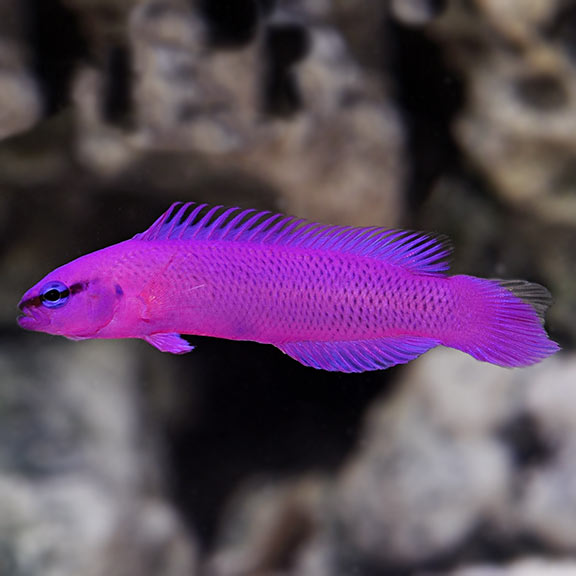
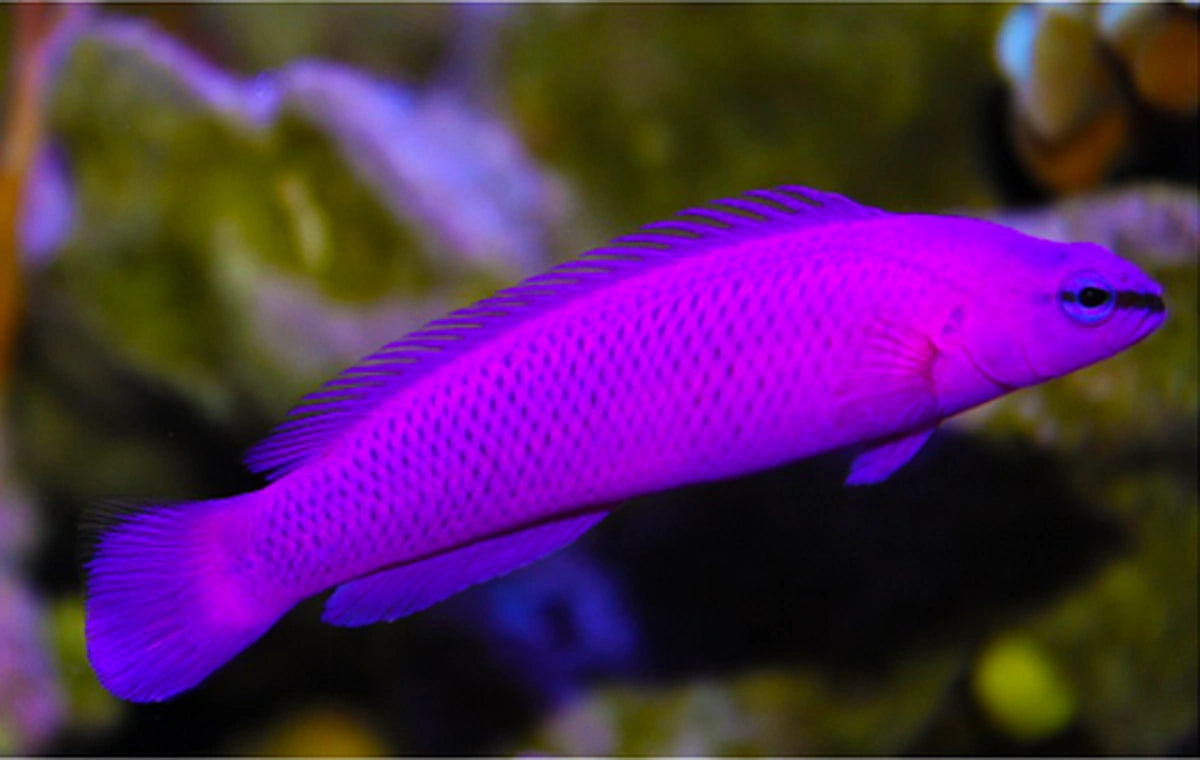
The Orchid Dottyback has a vivid purple body. It grows up to 3 inches long, making it a small fish. Its body shape is slender and elongated. The fins are smooth and blend with its body color. This fish has large eyes that help it see in dim light. Its mouth is small but sharp, perfect for catching tiny prey.
Natural Habitat
Orchid Dottybacks live in coral reefs in the Indo-Pacific region. They prefer warm, shallow waters. These fish hide among coral branches and rocks. The reefs provide shelter and food sources. They often stay close to the reef’s edges. This habitat keeps them safe from larger predators.
Behavior And Temperament
The Orchid Dottyback shows unique behavior and temperament that attracts many aquarium enthusiasts. This fish is lively and often curious about its surroundings. It moves swiftly and explores its territory carefully. Understanding its behavior helps create a better environment for it to thrive.
Social Interactions
Orchid Dottybacks are generally semi-aggressive. They interact cautiously with other fish. This species prefers to stay near rocks and crevices. It avoids large groups and crowded tanks. Orchid Dottybacks often keep to themselves but may show curiosity toward tank mates. They do best with peaceful or similarly sized fish.
Territorial Traits
These fish defend their space firmly. They mark areas around rocks or coral as their own. Orchid Dottybacks may chase away intruders quickly. Small tanks can increase territorial disputes. Providing enough hiding spots can reduce aggression. Territorial behavior is strong during feeding and breeding times.
Tank Setup
The Orchid Dottyback is a colorful and active fish. Setting up the right tank helps it stay healthy and happy. A good tank setup mimics its natural home and gives it space to swim freely.
Proper water and decoration create a safe place for the fish. Let’s explore the best tank setup for the Orchid Dottyback.
Ideal Tank Size
The Orchid Dottyback needs at least a 20-gallon tank. This size gives enough space for swimming and hiding. A larger tank is better if you keep other fish too. Small tanks can cause stress and health problems.
Water Conditions
Keep the water temperature between 72°F and 78°F. The pH should be stable around 8.1 to 8.4. Saltwater with a specific gravity of 1.020 to 1.025 works best. Clean water and good filtration help the fish thrive.
Aquascaping Tips
Use live rock to create caves and hiding spots. The fish loves to explore and needs places to feel safe. Avoid sharp decorations that can hurt the fish. Add some open space for swimming. Keep the setup simple but natural.

Credit: www.bulkreefsupply.com
Feeding Orchid Dottybacks
Orchid Dottybacks are colorful and active fish. Feeding them right helps keep them healthy and happy. Their diet should be varied and balanced. This supports their energy and vibrant colors.
Understanding what and how often to feed Orchid Dottybacks improves their well-being. Proper feeding also reduces waste and keeps the tank clean.
Diet Recommendations
Orchid Dottybacks eat mostly meaty foods. High-quality frozen or live foods work best. Offer brine shrimp, mysis shrimp, and small crustaceans. You can also give finely chopped seafood. Avoid dry flakes as the main food. These fish need protein to stay strong and active.
Feeding Frequency
Feed Orchid Dottybacks twice a day. Give small portions they can eat in two minutes. Overfeeding causes water pollution and health issues. Young fish may eat more often. Adults do well with two meals daily. Keep a regular schedule for best results.
Health And Care
The Orchid Dottyback is a vibrant and active fish that thrives with proper care. Keeping it healthy requires attention to its environment and diet. Understanding common diseases helps prevent problems early. Healthy fish show bright colors and active swimming.
Providing clean water and a balanced diet supports strong health. Stress weakens fish and invites illness. Regular tank maintenance and gentle handling keep the Dottyback happy. Watch for signs of disease to act quickly.
Common Diseases
Orchid Dottybacks can suffer from Ich, a common parasite causing white spots. Fin rot may appear as ragged fins and dull colors. Swim bladder disease affects balance and movement. Bacterial infections cause redness and ulcers. Early detection improves chances of recovery.
Preventive Measures
Maintain water quality with regular changes and testing. Avoid sudden temperature swings. Feed high-quality food in small amounts twice daily. Quarantine new fish before adding them to the tank. Provide hiding spots to reduce stress. Clean the tank equipment often to stop germs.
Credit: www.liveaquaria.com
Breeding Orchid Dottybacks
Breeding Orchid Dottybacks is a rewarding challenge for aquarium hobbyists. These vibrant fish show interesting behaviors during spawning. Successful breeding needs the right tank setup and careful care of the young.
Understanding their needs helps increase the chances of raising healthy fry. Patience and attention to detail are key in this process.
Breeding Conditions
Set the tank with plenty of hiding places using rocks and caves. Keep water temperature between 78°F and 82°F for best results. Maintain stable water quality with regular checks on pH and salinity.
Light should be moderate to mimic their natural environment. Feed the adults a high-quality diet to prepare them for spawning. Males become more colorful and territorial during breeding time.
Raising Fry
Once the eggs hatch, remove the parents to prevent them from eating the fry. Feed the fry tiny live foods like baby brine shrimp or infusoria. Keep the water clean and avoid strong currents in the tank.
Feed small amounts several times a day for steady growth. Watch the fry carefully for signs of illness or stress. Growth is slow but steady with proper care.
Compatibility With Other Fish
The Orchid Dottyback is a small but bold fish. It has a strong personality and likes to defend its space. This makes its compatibility with other fish important to consider. Choosing the right tank mates helps create a peaceful aquarium. It reduces stress and fights among your fish.
Not all fish can live happily with an Orchid Dottyback. Some fish may trigger aggression or get bullied. Knowing which fish to avoid and which ones are suitable helps maintain balance.
Tank Mates To Avoid
Avoid slow-moving or shy fish. The Orchid Dottyback can chase or stress them. Examples include large angelfish and long-finned species. Also, avoid other dottybacks or aggressive small fish. They may fight for territory and cause injury. Bottom dwellers like certain catfish may be safe but watch closely. Always observe fish behavior after adding new tank mates.
Suitable Companions
Good companions are peaceful and fast swimmers. Wrasses and gobies often work well with Orchid Dottybacks. Small to medium-sized reef fish fit nicely. They avoid competition and keep harmony. Avoid overcrowding to reduce stress. Adding plenty of hiding spots helps all fish feel secure.
Credit: www.aquariumgallery.com.au
How Smart Pets Lover Can Help You with Orchid Dottyback
Learning from Your Orchid Dottyback Experience
Welcoming an Orchid Dottyback into your aquarium isn’t just about its vibrant colors or unique behavior—it’s a chance to deepen your understanding of fish care and aquarium dynamics. Observing its temperament can teach you how to balance tank compatibility, especially since Orchid Dottybacks have distinct social needs that impact their interactions with other fish. This ties directly into the importance of a well-thought-out tank setup, where providing adequate hiding spots and territory can make all the difference in fostering harmony.
Feeding routines offer practical lessons too. By experimenting with varied diets and monitoring health responses, you gain firsthand insight into maintaining vitality, which reflects the broader commitment to responsible pet ownership. At Smart Pets Lover, we believe these hands-on experiences help pet parents feel confident and connected—not just to their Orchid Dottybacks, but to the entire aquatic environment.
- Keep a journal of your fish’s behavior and feeding habits to track health trends.
- Adjust tank conditions gradually to observe how your Dottyback responds.
- Reach out to fellow enthusiasts or trusted resources for shared knowledge.
If questions arise, connecting with aquatic care experts can be invaluable. Sharing your journey helps transform every ripple in your tank into a story of growth and joy—because, after all, where every wag, purr, and chirp tells a story, every splash counts too.
Frequently Asked Questions
What Is An Orchid Dottyback Fish?
The Orchid Dottyback is a vibrant saltwater fish known for its striking purple color. It is a popular choice for reef aquariums due to its peaceful nature and small size.
How Big Do Orchid Dottybacks Grow?
Orchid Dottybacks typically reach about 2 to 3 inches in length. Their compact size makes them suitable for small to medium-sized home aquariums.
What Tank Conditions Suit Orchid Dottybacks?
They thrive in tanks with stable temperatures between 72-78°F and a pH of 8. 1-8. 4. Plenty of hiding spots and live rock are essential for their comfort.
What Do Orchid Dottybacks Eat?
Orchid Dottybacks are carnivores that prefer a diet of small meaty foods. Feed them brine shrimp, mysis shrimp, and high-quality frozen or pellet foods.
Conclusion
The Orchid Dottyback is a colorful and lively fish. It adds beauty to any saltwater aquarium. This fish needs proper care and a safe environment. Watch its behavior to keep it healthy and happy. With the right setup, it can thrive for years.
A great choice for both new and experienced hobbyists. Enjoy the charm and vibrant colors of this unique fish.