Bellus Angelfish
If you’ve ever dreamed of adding a splash of vibrant color and graceful beauty to your aquarium, the Bellus Angelfish might be exactly what you need. This stunning fish isn’t just eye-catching—it’s also surprisingly easy to care for, making it perfect for both beginners and experienced hobbyists.
You’ll discover everything about the Bellus Angelfish: its unique features, ideal tank conditions, and expert tips to keep it healthy and happy. Ready to transform your underwater world? Keep reading and find out how this dazzling fish can become the star of your aquarium.
Bellus Angelfish Features
The Bellus Angelfish is a stunning marine fish known for its unique traits. It stands out in any aquarium with its special look and colors. This fish has features that attract many fish lovers and hobbyists.
Its body shape, colors, and size all make the Bellus Angelfish a popular choice. Understanding these features helps in caring for this beautiful fish properly.
Physical Appearance
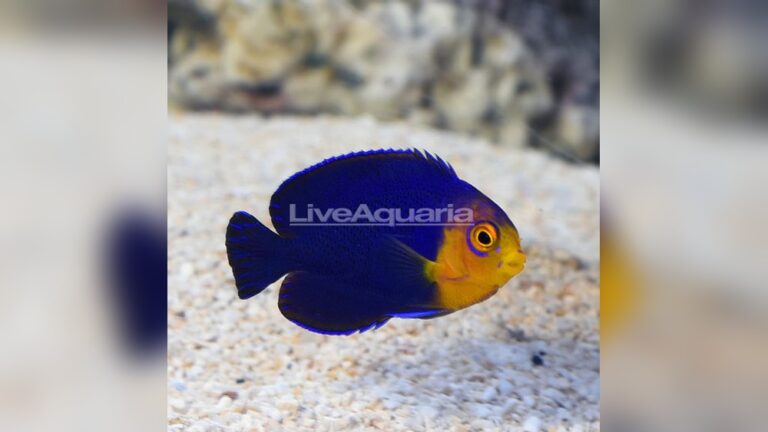
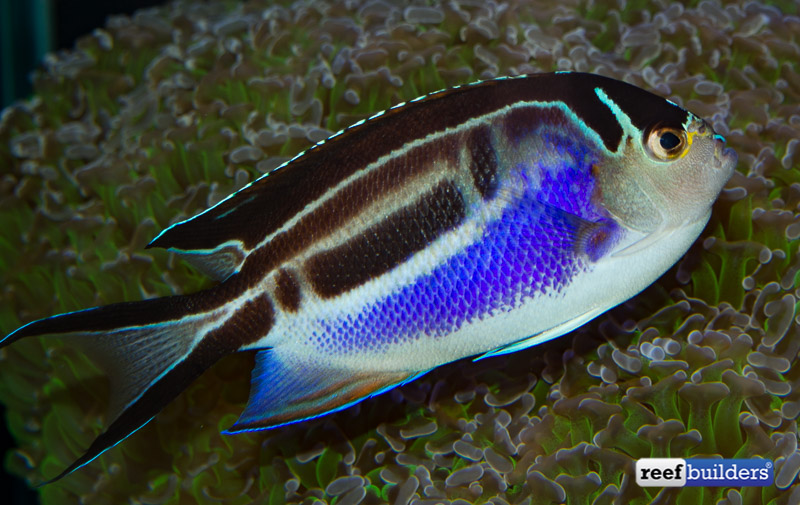
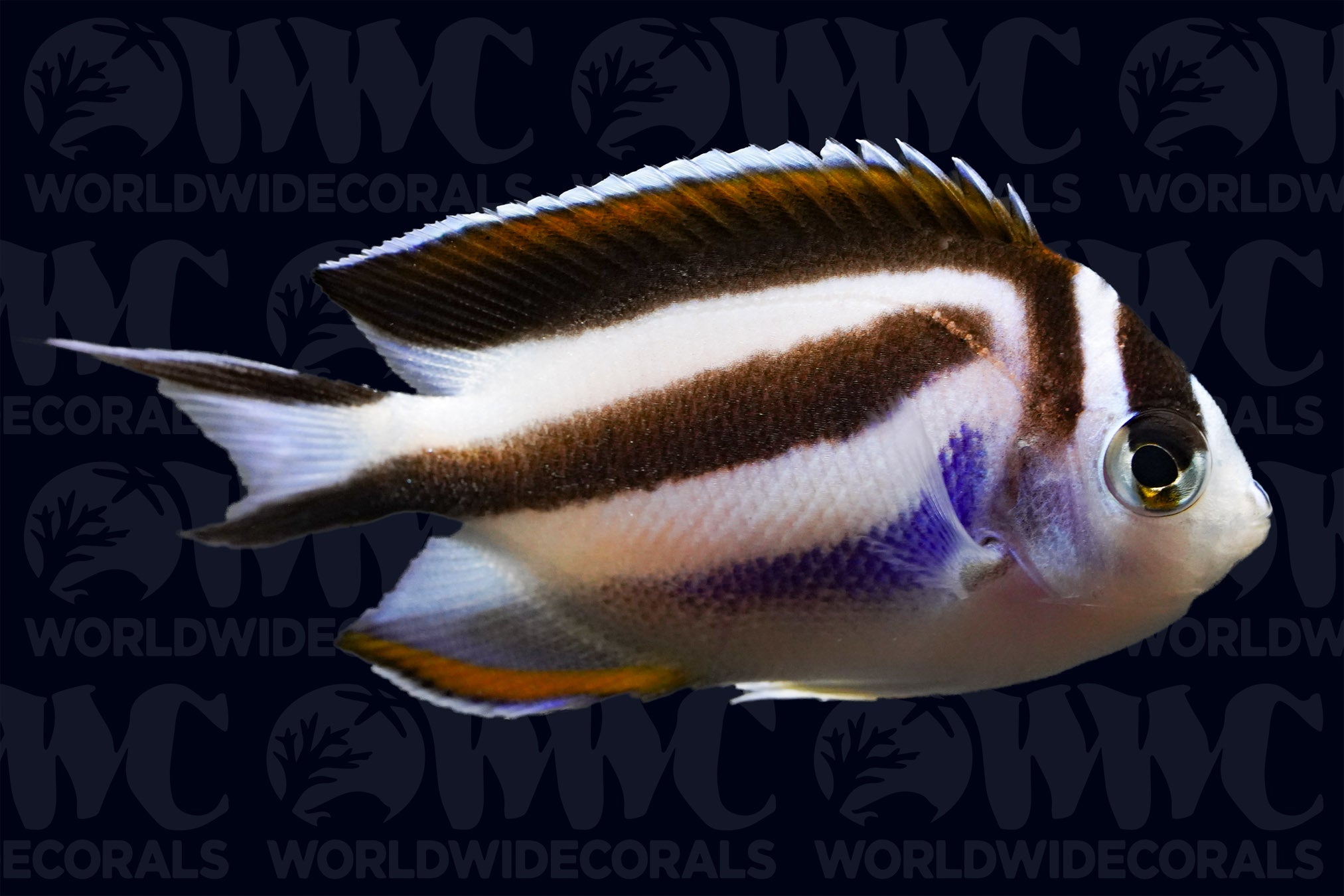
The Bellus Angelfish has a round, laterally compressed body. It has long, flowing fins that give it a graceful look. The dorsal fin stretches along the back, adding to its elegant shape.
Its face is small, with large eyes. The mouth is small and slightly pointed, perfect for picking food from crevices. This fish moves smoothly and looks lively in the water.
Color Patterns
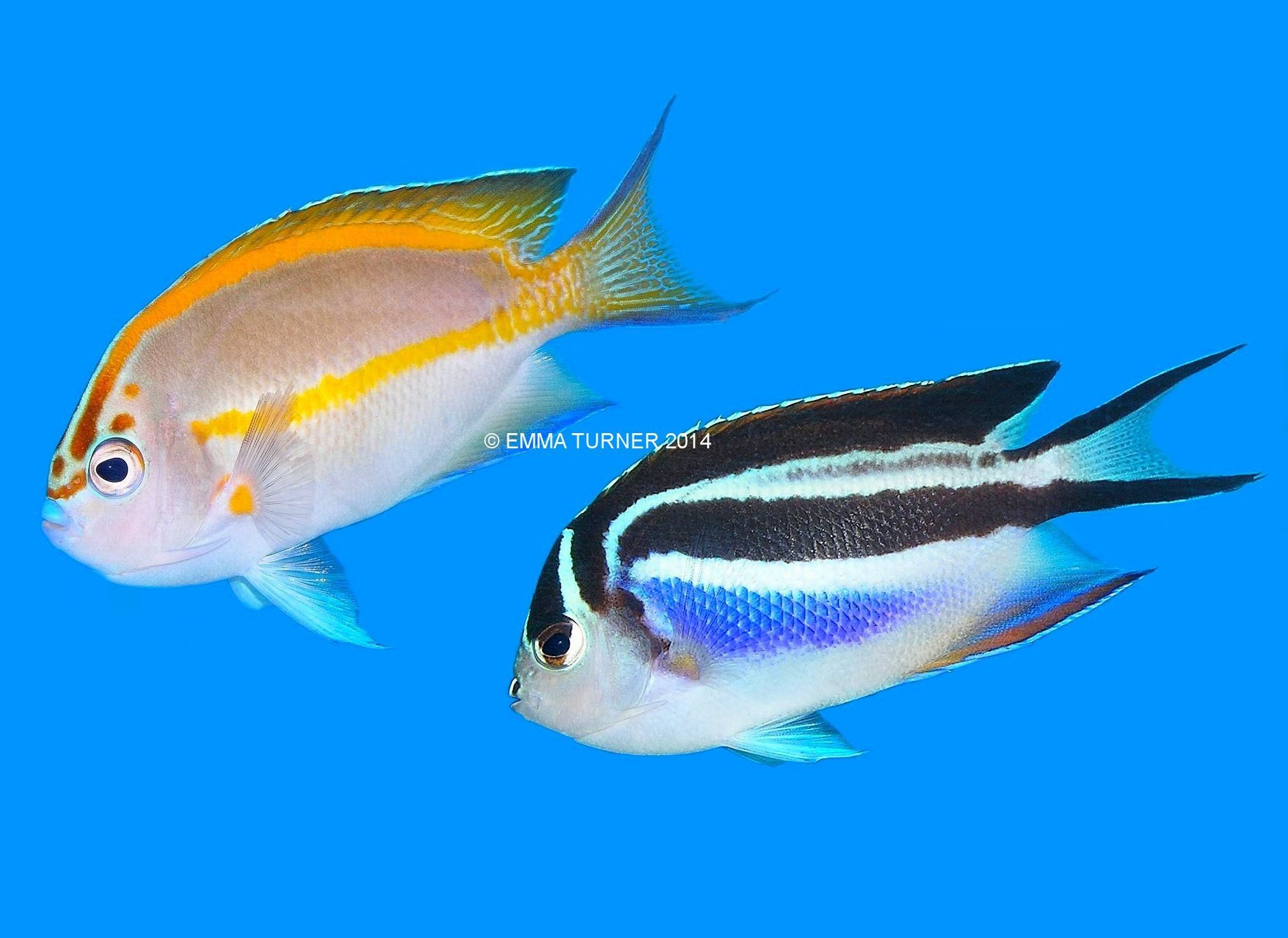
This fish shows bright colors that change as it grows. Young Bellus Angelfish have a mix of blue, yellow, and white shades. These colors help them blend with coral reefs.
Adults display deeper and richer colors. They often have blue and yellow stripes or spots. These patterns make them easy to identify and very attractive.
Size And Growth
Bellus Angelfish grow slowly but steadily. They usually reach about 6 to 8 inches in length. Growth depends on diet and tank conditions.
They need enough space to swim freely. Proper care helps them reach their full size and vibrant colors. This fish lives for many years with good maintenance.
Credit: reefbuilders.com
Habitat And Distribution
The Bellus Angelfish is a colorful fish found in warm ocean waters. Its habitat and distribution tell us where it lives and thrives. Understanding this helps marine lovers appreciate its natural home. It also guides those who want to keep them healthy in aquariums.
Natural Environment
Bellus Angelfish prefers coral reefs with many hiding spots. These reefs offer food and shelter from predators. The fish swims in shallow waters, usually between 10 to 30 meters deep. It enjoys places where sunlight reaches, helping coral grow. The water temperature stays warm, around 24 to 28 degrees Celsius. This warm, clear water supports a rich ecosystem for the fish.
Geographic Range
This angelfish lives mostly in the Indo-Pacific region. Its range covers parts of the Indian Ocean and western Pacific Ocean. Countries like Indonesia, the Philippines, and Papua New Guinea are common homes. The fish also appears near coral atolls and island reefs. It rarely lives far from its preferred warm and shallow waters. This limited range makes its habitat unique and important to protect.
Behavior And Temperament
The Bellus Angelfish is known for its calm and peaceful nature. This fish adapts well to community tanks. Its behavior suits both beginners and experienced aquarists.
Understanding its temperament helps keep the fish happy and healthy. Let’s explore its social behavior and feeding habits in detail.
Social Behavior
The Bellus Angelfish enjoys company but can be shy. It prefers living with other peaceful fish. Aggressive tank mates may cause stress. This fish often hides among rocks or corals. It rarely shows territorial behavior. Males may display mild dominance during breeding. Overall, it blends well in community tanks.
Feeding Habits
This angelfish eats a varied diet. It prefers small meaty foods like shrimp and plankton. It also accepts flakes and pellets. Feeding several times a day keeps it active. The Bellus Angelfish grazes on algae naturally. This helps maintain a clean aquarium environment. Fresh, nutritious food supports its bright colors and health.
Credit: worldwidecorals.com
Tank Setup And Care
The Bellus Angelfish needs a special tank to thrive. Proper care keeps it healthy and vibrant. Setting up the tank right is very important for this fish’s wellbeing.
Understanding its needs helps create a safe and comfortable home. Small details in the setup make a big difference. Here are key points to consider for your Bellus Angelfish tank.
Aquarium Size
A tank of at least 55 gallons works best for Bellus Angelfish. They need space to swim freely. A larger tank helps reduce stress and aggression. Keep in mind, bigger tanks offer more stable water conditions. A tall tank is ideal for their swimming style.
Water Conditions
Maintain water temperature between 72°F and 78°F. The pH should stay around 8.1 to 8.4. Salinity must be 1.020 to 1.025 specific gravity. Use a good filtration system to keep water clean. Regular water changes improve fish health. Stable water parameters prevent disease and stress.
Tank Mates
Choose peaceful fish that won’t harm the Bellus Angelfish. Avoid aggressive or very small fish that might get bullied. Good tank mates include tangs, wrasses, and gobies. Provide plenty of hiding spots with live rock. This reduces territorial fights and keeps the tank calm.
Diet And Nutrition
The Bellus Angelfish needs a balanced diet to stay healthy and colorful. Good nutrition supports its growth and vibrant appearance. Feeding the right foods helps prevent diseases and keeps the fish active.
Preferred Foods
Bellus Angelfish enjoy a mix of plant and animal-based foods. They like algae, spirulina, and marine seaweed. Meaty foods like brine shrimp, mysis shrimp, and finely chopped seafood are also good. Variety helps meet all their nutritional needs.
Feeding Tips
Feed small amounts two to three times daily. Avoid overfeeding to keep water clean. Use a mix of flakes, pellets, and frozen foods. Observe the fish during feeding to ensure it eats well. Remove leftovers to prevent water pollution.
Credit: www.fishkeeper.co.uk
Breeding Bellus Angelfish
Breeding Bellus Angelfish can be a rewarding experience for aquarium enthusiasts. These fish show fascinating behaviors during spawning. Understanding their needs helps increase the chances of successful breeding. Patience and proper care are essential throughout the process.
Breeding Conditions
Bellus Angelfish need stable water conditions to breed. Keep the temperature between 78-82°F (25-28°C). Maintain a pH level around 8.1 to 8.4. Provide plenty of live rock for hiding and spawning surfaces. Use gentle water flow to mimic their natural reef habitat. Feed the pair high-quality foods like mysis shrimp and brine shrimp. These foods boost their health and readiness to spawn. Separate the breeding pair in a quiet tank to reduce stress. Dim lighting helps create a calm environment for spawning.
Raising Fry
Once eggs hatch, the fry need special care. They are very small and fragile at first. Feed the fry with newly hatched brine shrimp or liquid fry food. Keep the water clean and well-oxygenated. Frequent small water changes prevent harmful waste buildup. Avoid strong water currents that can harm the fry. Provide hiding places with fine mesh or plants. Watch for signs of growth and health daily. Raising fry takes patience and careful attention.
Common Health Issues
Bellus Angelfish are beautiful but delicate creatures. They can face some health problems in captivity. Knowing these issues helps keep them safe and healthy. Early care can prevent serious harm.
Signs Of Illness
Watch for unusual spots or discoloration on the fish. Clamped fins or slow swimming can signal trouble. Loss of appetite is a common sign. Gasping at the water surface shows stress or poor water quality. Look for white patches or fuzz, which may mean infection.
Preventive Measures
Keep the tank clean and well-maintained. Regular water changes reduce harmful toxins. Provide a balanced diet with fresh and varied food. Avoid overcrowding to reduce stress and disease spread. Quarantine new fish before adding them to the tank. Maintain stable water temperature and pH levels.
How Smart Pets Lover Can Help You with Bellus Angelfish
Learning from Your Bellus Angelfish Journey
Caring for a Bellus Angelfish offers more than just a beautiful addition to your aquarium—it’s a hands-on opportunity to deepen your understanding of aquatic life. Observing their unique behavior and temperament can teach patience and attentiveness, essential traits for any pet parent. As you fine-tune your tank setup and care routine, you’ll learn how subtle changes in environment impact their well-being, reinforcing the importance of creating a habitat that mirrors their natural distribution.
Nutrition and diet play a vital role too. Experimenting with various foods and observing their effects helps you develop a keen sense of what keeps your angelfish healthy and vibrant. At Smart Pets Lover, we believe every pet interaction is a chance to connect and grow together, turning everyday care into a meaningful learning experience.
- Track water parameters regularly to understand your fish’s comfort zone.
- Note behavioral shifts as signs of health or stress.
- Document feeding preferences to optimize nutrition.
Should you want to share insights or seek advice, connecting with communities or experts through Smart Pets Lover can provide ongoing support. After all, where every wag, purr, and chirp tells a story, your Bellus Angelfish’s tale is just beginning.
Frequently Asked Questions
What Is The Typical Size Of A Bellus Angelfish?
The Bellus Angelfish usually grows up to 6 inches in length. Its compact size makes it ideal for home aquariums. This fish requires a tank with plenty of hiding spots and swimming space.
Where Is The Natural Habitat Of Bellus Angelfish?
Bellus Angelfish is native to the tropical waters of the Indo-Pacific region. It thrives in coral reefs and rocky areas. These environments provide shelter and abundant food sources.
What Does A Bellus Angelfish Eat In Captivity?
Bellus Angelfish diet includes algae, sponges, and small invertebrates. In captivity, feed them a varied diet of flakes, pellets, and frozen foods. Regular feeding ensures their health and vibrant coloration.
How To Care For A Bellus Angelfish In An Aquarium?
Maintain water temperature between 72-78°F and stable pH around 8. 1-8. 4. Provide a spacious tank with live rock for grazing. Regular water changes and proper filtration are essential for their well-being.
Conclusion
The Bellus Angelfish is a beautiful addition to any aquarium. It needs clean water and a calm environment to thrive. Feed it a balanced diet for best health. Watch its bright colors brighten your tank. Caring for this fish can be simple and fun.
Enjoy the peaceful presence it brings to your space. A happy Bellus Angelfish makes a lively home. Keep learning about its needs to ensure success. Your aquarium will thank you for the effort.