Sexy Shrimp
Are you curious about a tiny sea creature that can bring a splash of color and life to your aquarium? Meet the Sexy Shrimp—a fascinating little marvel that’s sure to catch your eye.
Whether you’re new to reef keeping or a seasoned hobbyist, understanding what makes this shrimp so special can change the way you see your tank. Keep reading, and you’ll discover why the Sexy Shrimp isn’t just beautiful, but also a captivating addition that could transform your underwater world.
Credit: www.seahorseaquariums.com
Appearance And Features
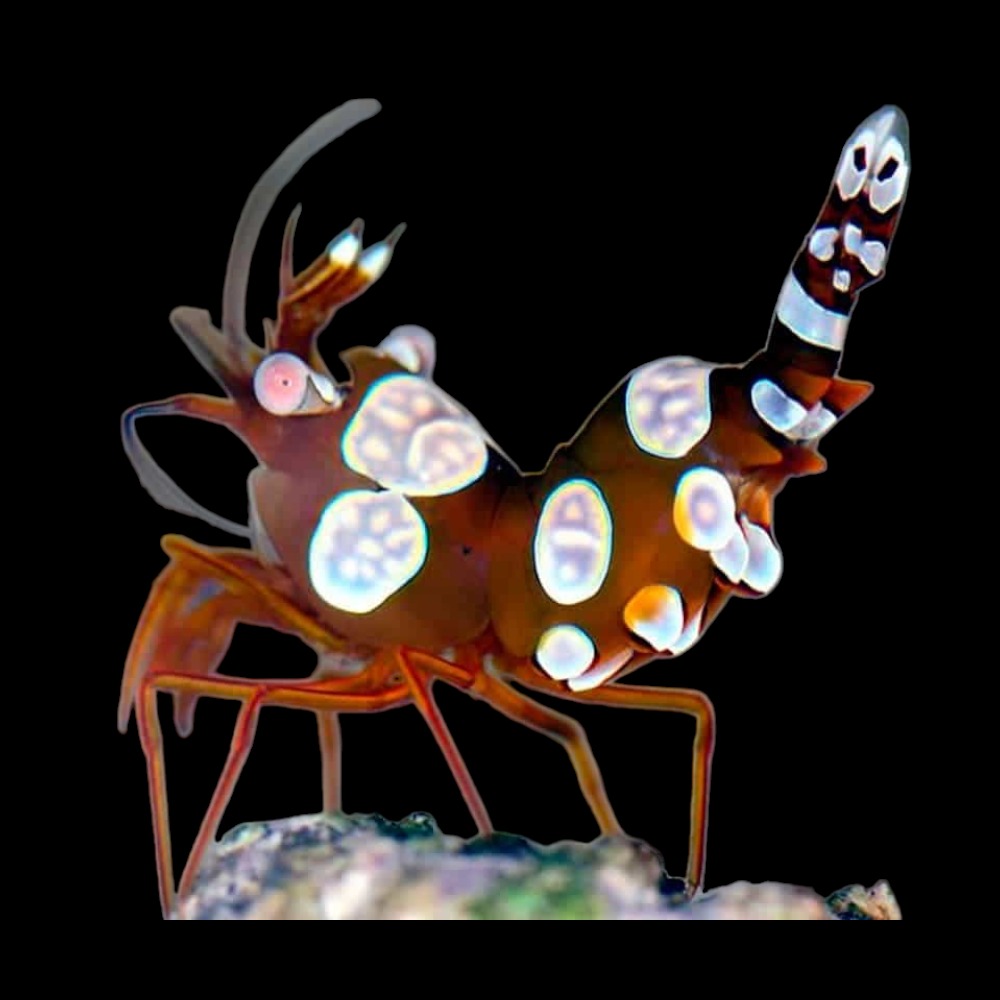
The Sexy Shrimp is a small but striking creature found in coral reefs. Its look is unique and captures attention easily. This shrimp uses its bright colors and patterns for communication and protection. Understanding its appearance helps appreciate its role in underwater life.
Let’s explore the size, colors, and special body features of the Sexy Shrimp.
Size And Coloration
The Sexy Shrimp grows up to 2 centimeters long. It has a slim, elongated body. Its colors range from white to pale pink. Bright orange or red spots cover its body. These colors help it blend with coral and avoid predators.
Distinctive Patterns
Its body shows clear and bold patterns. White dots line its shell and claws. The spots are often arranged in rows. These patterns make it easy to recognize among other shrimp. The shrimp’s tail has stripes that add to its charm.
Anatomy Highlights
The Sexy Shrimp has long antennae that it waves constantly. Its claws are small but sharp. The eyes sit on stalks, giving a wide field of view. Its legs are thin and allow quick movement. These features help the shrimp stay alert and safe.
Natural Habitat
The natural habitat of the Sexy Shrimp is unique and fascinating. This tiny creature thrives in specific underwater places. Understanding its home helps us appreciate its role in marine life.
These shrimps prefer warm, shallow waters where coral reefs are common. Their environment supports their survival and behaviors.
Geographic Distribution
Sexy Shrimp live mostly in the Indo-Pacific region. They are found from the eastern coast of Africa to the islands of the Pacific Ocean. Countries like Indonesia, the Philippines, and Australia host many of these shrimps. Their range is wide but mostly limited to tropical waters.
Preferred Environments
These shrimps favor coral reefs and rocky areas. They usually stay near sea anemones or soft corals. The water is clear and warm, with temperatures around 24 to 28 degrees Celsius. They hide among the tentacles for protection and food. This environment gives them shelter and safety.
Symbiotic Relationships
Sexy Shrimp have a close bond with sea anemones. They live safely among the anemone’s stinging tentacles. The shrimp clean the anemone by eating parasites and dead skin. In return, the anemone offers shelter and defense from predators. This partnership benefits both animals in a simple, natural way.
Behavior And Lifestyle
Sexy Shrimp are small, colorful creatures found in coral reefs. Their behavior and lifestyle make them fascinating to watch. They have unique ways of moving, eating, and interacting with others.
Understanding these habits helps aquarists care for them better. These shrimp are active and social, adding life to any aquarium.
Movement And Posture
Sexy Shrimp move with quick, graceful strokes. They often swim backward using their tails. Their posture is upright, standing on their hind legs. This stance helps them stay alert for danger. They wave their claws to communicate and attract mates.
Feeding Habits
These shrimp are scavengers and hunters. They eat tiny particles and plankton floating in water. Sometimes, they pick food from coral surfaces. Their small claws help grab food carefully. Feeding mostly happens during the day when they are most active.
Social Interactions
Sexy Shrimp live in groups, often near sea anemones. They share space peacefully with others. They use claw waving to signal and greet each other. Sometimes, they perform cleaning behaviors on fish. This mutual relationship benefits both shrimp and fish.

Credit: www.reefcleaners.org
Care In Aquariums
Sexy Shrimp are small but vibrant creatures. They brighten any saltwater aquarium with their colors and patterns. Caring for them requires attention to their environment and needs. Proper care helps keep them healthy and active.
Tank Setup
Choose a tank of at least 10 gallons. Provide plenty of live rock for hiding spots. Sexy Shrimp like places to climb and hide. Use a gentle filter to keep water clean. Avoid strong currents that can stress them.
Water Conditions
Maintain stable water temperature between 72 and 78°F. Keep pH levels between 8.1 and 8.4. Salinity should be around 1.023 to 1.025 specific gravity. Regular water changes help keep water fresh. Test water often to avoid harmful changes.
Dietary Needs
Sexy Shrimp eat tiny foods like plankton and detritus. Feed small amounts of frozen or live foods. Examples include brine shrimp and copepods. They also eat leftover fish food. Feed them once or twice a day.
Compatibility With Other Species
These shrimp get along with peaceful fish. Avoid large or aggressive tank mates. They can live well with small reef fish. Do not keep with predatory species. Watch for any signs of stress or aggression.
Breeding Insights
Breeding Sexy Shrimp is a delicate but rewarding process. Understanding their behavior and care needs helps improve success. This section shares key insights on their mating, egg development, and raising young shrimp.
Mating Behavior
Sexy Shrimp show unique courtship actions. Males often dance to attract females. They use their antennae to touch and communicate. Spawning usually happens at night. The female lays eggs under her body for protection.
Egg Development
Eggs are tiny and greenish. The female carries them for about two weeks. She fans water over the eggs to keep them clean. Eggs change color as they grow. Watch for tiny eyes forming inside the eggs.
Raising Juveniles
Baby shrimp need calm water and hiding spots. Feed them fine plankton or specialized baby shrimp food. Keep the tank clean to prevent disease. Juveniles grow quickly but are fragile. Separate them from larger fish to avoid harm.

Credit: aquariumbreeder.com
Conservation And Challenges
Sexy shrimp are small, colorful creatures that live in coral reefs. These shrimp face many problems that threaten their survival. Conservation efforts try to protect them and their homes. Challenges include habitat loss, pollution, and over-collection. Understanding these issues helps us support their future.
Threats In The Wild
Coral reef destruction harms sexy shrimp habitats. Pollution from chemicals and trash makes reefs unsafe. Climate change causes ocean warming and acidification. These changes reduce shrimp food and shelter. Over-collecting shrimp for aquariums also lowers their numbers. Each threat makes wild populations weaker.
Captive Breeding Efforts
Captive breeding helps keep sexy shrimp populations stable. Breeders raise shrimp in tanks with controlled conditions. This reduces pressure on wild shrimp collections. Breeding programs improve shrimp survival and health. Some facilities share shrimp to keep genetic diversity. Captive breeding supports conservation and aquarium trade.
Sustainable Practices
Sustainable shrimp collection limits the number taken from reefs. Collectors follow rules to avoid harming habitats. Aquarists choose captive-bred shrimp over wild-caught ones. Education raises awareness about shrimp conservation. Responsible trade helps protect sexy shrimp and coral reefs. Sustainable methods balance human use and nature care.
How Smart Pets Lover Can Help You with Sexy Shrimp
Learning from the Sexy Shrimp’s Unique Lifestyle
Understanding the Sexy Shrimp goes beyond admiring its vibrant appearance; it offers a practical window into marine behavior and care. Observing their natural habitat and social interactions teaches us about the delicate balance required in aquarium settings. For instance, their symbiotic relationship with sea anemones highlights the importance of replicating natural environments to promote healthy behavior.
When caring for these fascinating creatures, insights from their breeding patterns and lifestyle are invaluable. Keeping track of water parameters and tank companions can make all the difference in nurturing their wellbeing. As passionate pet lovers, we at Smart Pets Lover know that informed care stems from connecting these dots—turning knowledge into confident, responsible pet parenting.
- Study their behavior to create stress-free aquarium spaces
- Apply breeding insights for sustainable care
- Stay curious about their natural habitat for better tank setups
If you ever feel unsure, reaching out to aquatic experts or visiting trusted resources helps build that deeper connection—because every tiny shrimp’s story deserves thoughtful attention.
Frequently Asked Questions
What Is A Sexy Shrimp And Its Appearance?
Sexy Shrimp is a small marine crustacean with a striking pattern. It has a transparent body covered with white spots and a bright red stripe along its back. Its unique colors make it popular in saltwater aquariums.
Where Do Sexy Shrimp Naturally Live?
Sexy Shrimp are native to Indo-Pacific coral reefs. They often live on sea anemones or corals, forming a symbiotic relationship. Their natural habitat provides them protection and food sources.
How To Care For Sexy Shrimp In Aquariums?
Sexy Shrimp require stable water conditions with a temperature of 72-78°F. They thrive in tanks with live corals or anemones. Feeding includes small meaty foods like brine shrimp or plankton.
Are Sexy Shrimp Peaceful With Other Tank Mates?
Yes, Sexy Shrimp are generally peaceful and non-aggressive. They coexist well with most reef-safe fish and invertebrates. Avoid housing them with large, predatory species that may harm them.
Conclusion
Sexy shrimp add charm and color to any saltwater aquarium. They stay small but bring big life and movement. These shrimp are easy to care for and fun to watch. They also help keep tanks clean by eating leftovers. Keep their habitat stable and water clean for best results.
Enjoy the beauty and activity they bring every day. A small addition with a big impact on your aquarium world.