Paradise Fish
If you’re looking to add a splash of color and life to your aquarium, the Paradise Fish might be exactly what you need. This stunning fish is not only beautiful but also full of personality, making it a favorite for both beginners and experienced fish keepers.
Imagine watching your tank come alive with vibrant shades and graceful movements every day. You’ll discover everything you need to know about caring for Paradise Fish, from their unique traits to the best tips for keeping them happy and healthy.
Ready to transform your aquarium into a true paradise? Let’s dive in!

Credit: aquariumfishonline.com.au
Paradise Fish Species
Paradise Fish species are popular among aquarium lovers. They offer bright colors and active behavior. These fish belong to the Osphronemidae family. They are one of the earliest tropical fish introduced to the aquarium hobby.
Known for their peaceful yet sometimes territorial nature, Paradise Fish add life to tanks. Their care needs are simple. This makes them suitable for beginners and experienced fish keepers alike.
Physical Traits
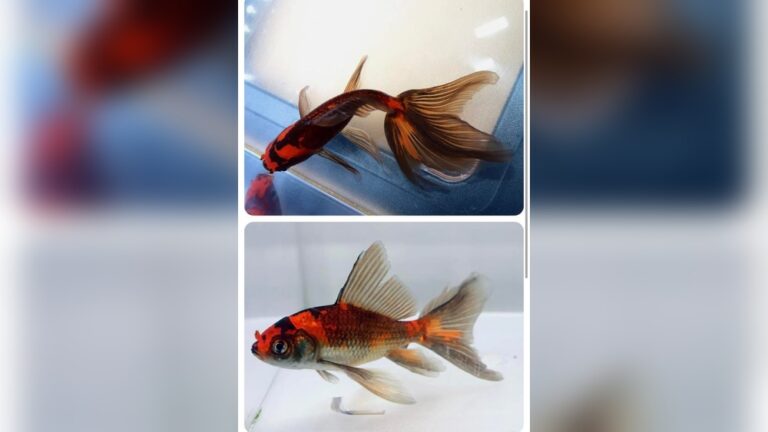
Paradise Fish have long, flowing fins and vibrant colors. Males usually show more intense blues, greens, and reds. Females tend to have duller colors and shorter fins. They grow up to 3 inches in length. Their body shape is elongated and slightly compressed. These fish have a distinct black vertical stripe on their sides. Their eyes are large and round.
Natural Habitat
Paradise Fish come from East Asia. Their natural range includes China, Taiwan, and northern Vietnam. They live in slow-moving waters. Rivers, ponds, and rice paddies serve as common homes. These environments have plenty of plants and hiding spots. The water is usually warm and slightly acidic to neutral. They can survive in low oxygen areas thanks to a special breathing organ.
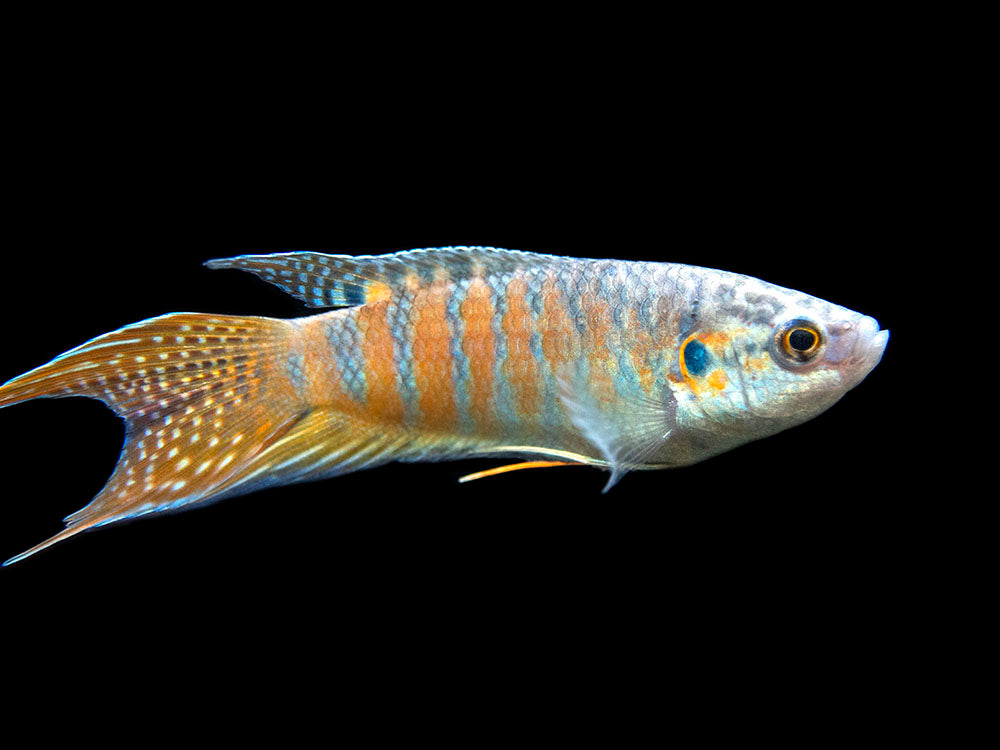
Credit: aquaticarts.com
Behavior And Temperament
Paradise Fish are known for their lively and bold nature. Their behavior can be fascinating to watch. They show a mix of peaceful and aggressive traits. Understanding their temperament helps create a better home for them.
Social Interaction
Paradise Fish enjoy company but can be territorial. Males often show dominance by flaring their fins. They may chase other fish to mark their space. Females tend to be calmer and more social. Keeping them in groups works best with enough space. Adding hiding spots reduces stress and fights.
Breeding Habits
Breeding Paradise Fish is an interesting process. Males build bubble nests at the water surface. They protect the eggs fiercely after spawning. Females release eggs into the nest carefully. The male guards the nest until the fry swim away. Breeding pairs may show increased aggression during this time.
Tank Setup Tips
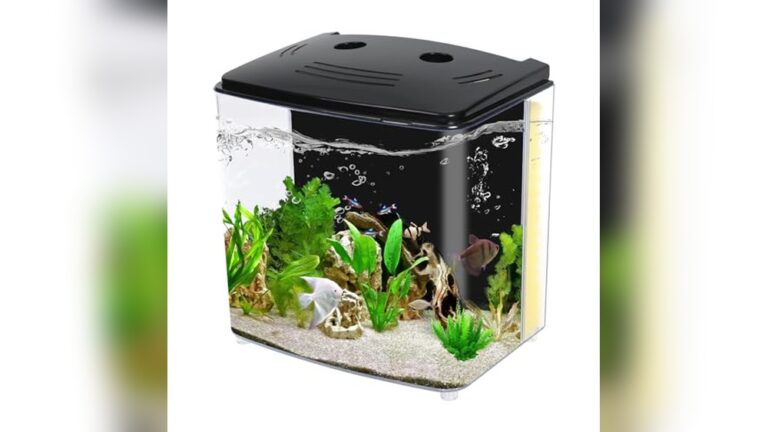
Setting up a tank for Paradise Fish needs care and attention. The right environment helps them stay healthy and active. This section covers key points for a good tank setup.
Ideal Water Conditions
Paradise Fish thrive in water between 72°F and 82°F. Keep the pH level near 6.5 to 7.5. Use a gentle filter to avoid strong currents. Change 20% of the water weekly. This keeps the tank clean and safe.
Tank Mates
Choose calm fish that do not nip fins. Avoid small, slow-moving fish because Paradise Fish can be aggressive. Good tank mates include larger tetras and gouramis. Keep an eye on fish behavior to prevent fights.
Decor And Plants
Provide hiding spots with rocks and driftwood. Use live plants like Java fern or Anubias. Plants offer shelter and improve water quality. Leave open swimming space to help them move freely.
Feeding Paradise Fish
Feeding Paradise Fish is a vital part of keeping them healthy and active. These fish enjoy a varied diet that meets their nutritional needs. Proper feeding encourages bright colors and lively behavior. It also supports their growth and overall well-being.
Diet Preferences
Paradise Fish prefer a mix of foods. They eat flakes, pellets, and live or frozen foods. Bloodworms, brine shrimp, and daphnia are good choices. Vegetables like spinach or peas can be offered occasionally. A varied diet helps prevent boredom and nutrient gaps. Avoid overfeeding to keep water clean and fish healthy.
Feeding Schedule
Feed Paradise Fish twice a day for best results. Offer small amounts that they can eat in 2-3 minutes. Remove uneaten food to avoid water pollution. Young fish may need feeding three times daily. Regular feeding keeps fish active and maintains good health. Consistency in timing helps fish develop a routine.
Common Health Issues
Paradise Fish are hardy but can face some health problems. Knowing common issues helps keep them healthy. Early care can prevent many diseases.
Disease Prevention
Clean water is key to disease prevention. Change water regularly and avoid overfeeding. Use a good filter to keep the tank clean. Quarantine new fish before adding them to the tank. Avoid sudden changes in water temperature or pH. Healthy fish need a stable and clean environment.
Signs Of Illness
Look for changes in behavior or appearance. Fish that hide or swim erratically may be sick. Check for spots, discoloration, or torn fins. Loss of appetite is a common sign of illness. Rapid breathing or gasping at the water surface can indicate problems. Early detection helps treat fish faster and better.
:strip_icc()/paradisefishcover-570581a65f9b581408c9eaef.jpg)
Credit: www.thesprucepets.com
Breeding Paradise Fish
Breeding Paradise Fish can be a rewarding experience for aquarium hobbyists. These fish show interesting behaviors during spawning. Understanding their needs helps ensure successful breeding and healthy offspring.
Spawning Process
Paradise Fish build bubble nests at the water surface. The male creates and guards this nest. He attracts the female to lay eggs in the nest. After the female releases eggs, the male fertilizes them. The male watches over the eggs carefully until they hatch. Water temperature around 75-80°F encourages spawning. Providing plants or floating materials helps in nest building.
Raising Fry
Once the eggs hatch, the fry stay near the bubble nest. The male continues to protect the young fish. After a few days, fry begin swimming freely. Feeding them tiny food like infusoria or baby brine shrimp is important. Change water regularly to keep it clean and safe. Separate the fry from adult fish to avoid harm. Growth is fast with proper care and nutrition.
How Smart Pets Lover Can Help You with Paradise Fish
Discovering Paradise Fish: A Hands-On Learning Experience
Getting to know your Paradise Fish goes beyond simply admiring their vibrant colors. Observing their behavior and temperament offers a wonderful chance to learn about fish communication and social dynamics. For example, noting how they interact within their tank setup can teach you about territorial instincts and the importance of creating a balanced environment.
Feeding routines also provide practical lessons in nutrition and care. By experimenting with different diets and watching how your Paradise Fish respond, you’ll gain insight into their dietary needs and preferences. This hands-on approach enriches your understanding and helps you become a more confident, responsible pet parent.
At Smart Pets Lover, we believe that every moment spent with your pet is an opportunity to deepen your connection. Whether you’re exploring breeding behaviors or troubleshooting common health issues, embracing these experiences with curiosity transforms fishkeeping into a rewarding journey. If you ever need guidance or want to share your discoveries, reaching out to knowledgeable communities or pet care experts can be invaluable.
Frequently Asked Questions
What Is A Paradise Fish?
Paradise Fish is a colorful freshwater fish native to East Asia. It is popular in home aquariums for its vibrant colors and peaceful nature.
How Do Paradise Fish Behave In Aquariums?
Paradise Fish are generally peaceful but can be territorial. They prefer calm tank mates and need hiding spots to feel secure.
What Is The Ideal Tank Setup For Paradise Fish?
A tank with at least 20 gallons, stable temperature of 72-79°F, and plants for hiding suits Paradise Fish best.
What Do Paradise Fish Eat?
Paradise Fish are omnivores. They eat flakes, pellets, live or frozen foods like brine shrimp and bloodworms.
Conclusion
Paradise fish add beauty to any freshwater aquarium. They are hardy and easy to care for. Their bright colors and peaceful nature make them great pets. Keep the water clean and feed them well. Watch them swim and enjoy their unique patterns.
They bring life and calm to your tank. Try adding paradise fish to your home aquarium today. Simple care brings lasting joy.