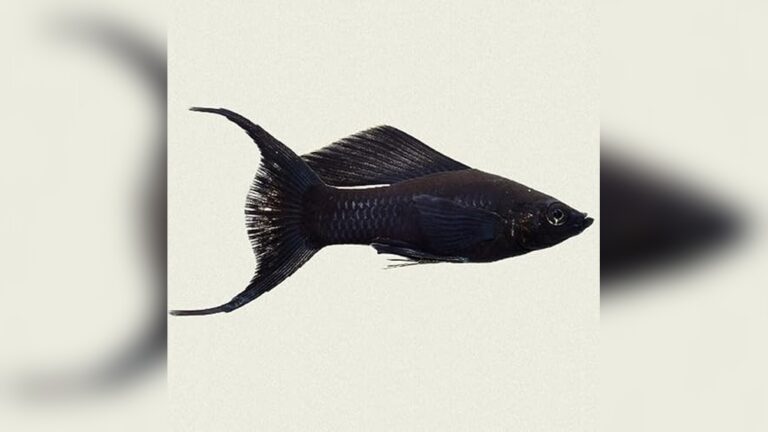
Peacock Cichlid
Are you looking to add a splash of vibrant color to your aquarium? The Peacock Cichlid might be exactly what your tank needs.
Known for their stunning hues and lively behavior, these fish can transform your underwater world into a dazzling spectacle. But before you dive in, there are key things you should know to keep your Peacock Cichlid healthy and happy. Keep reading, and discover how to make your aquarium come alive with these beautiful fish.
Peacock Cichlid Species
Peacock Cichlids are popular fish known for their bright colors and lively behavior. They come from a group of fish native to Africa. These species are loved by many aquarium hobbyists for their beauty and unique traits.
Each Peacock Cichlid species shows different colors and patterns. Their diversity makes them interesting to keep and study. Understanding their types helps in caring for them better.
Common Varieties
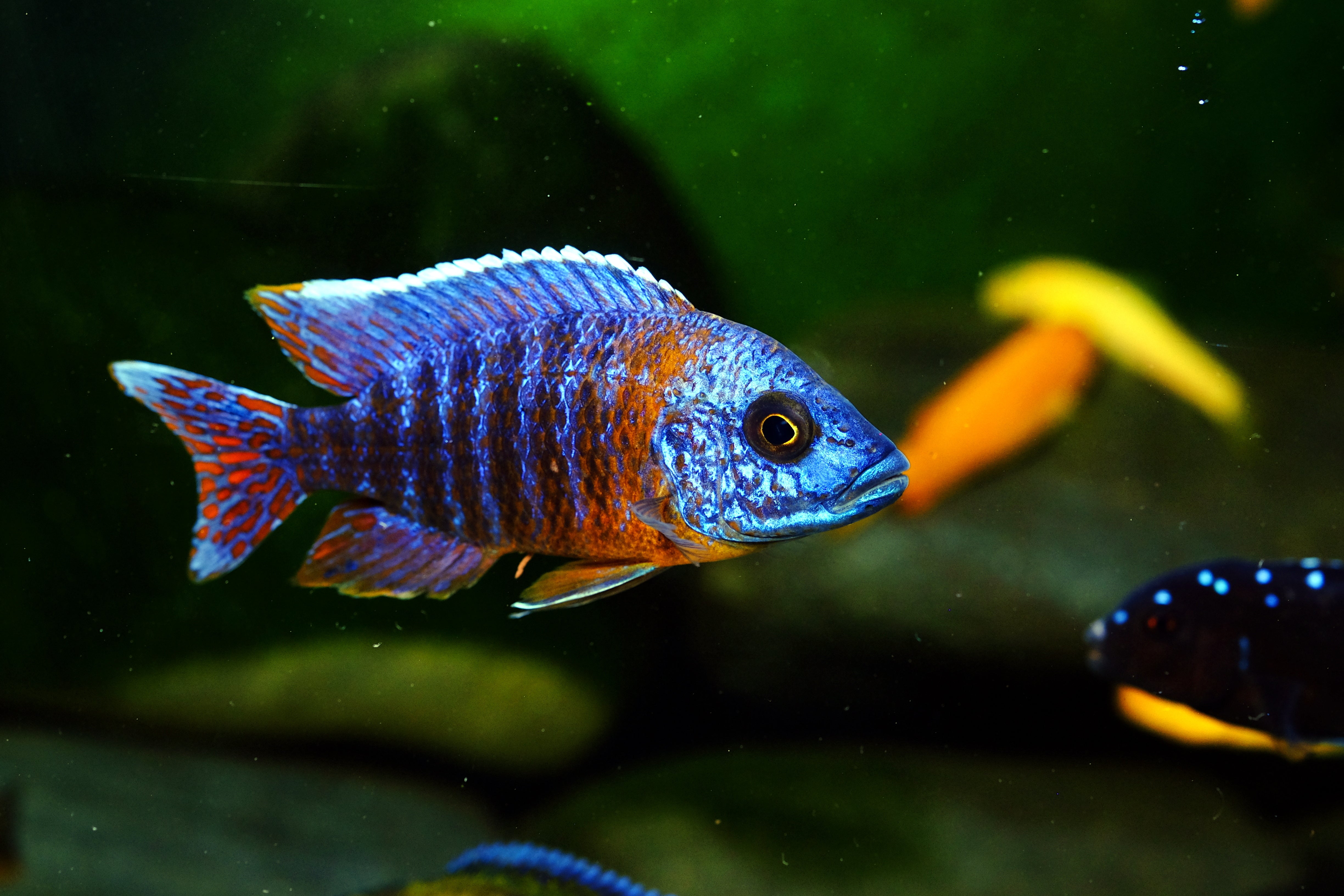
Several Peacock Cichlid species are common in the aquarium trade. The most popular is Aulonocara nyassae. It has a bright blue body and yellow fins. Another favorite is Aulonocara jacobfreibergi, which shows blue and orange colors. Aulonocara stuartgranti is well-known too, with a mix of blue and red shades. These varieties are easy to find and care for.
Color Variations
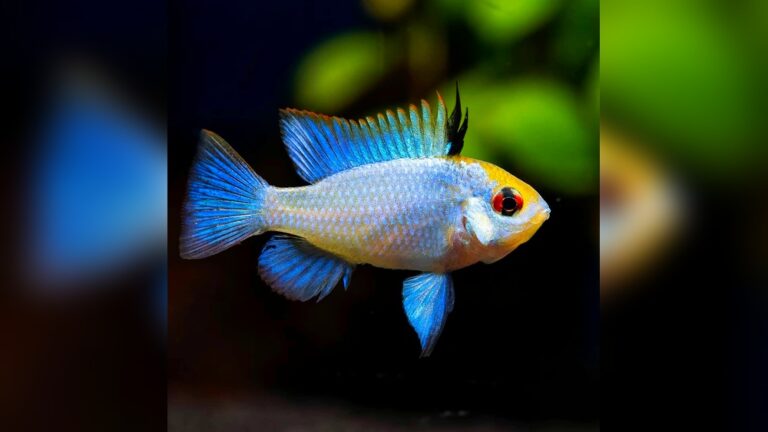
Peacock Cichlids display a wide range of colors. Their colors can be blue, yellow, orange, red, or green. Some have spots or stripes on their bodies. Color depends on the species and their mood. Bright colors often appear during mating times. These colors make them stand out in any aquarium.
Natural Habitat
Peacock Cichlids live in Lake Malawi, Africa. This lake has clear, warm water and rocky shores. They prefer areas with sandy bottoms and hiding spots. The water in their habitat is hard and alkaline. These conditions help keep the fish healthy and vibrant. Knowing their habitat helps mimic it in home aquariums.
Tank Setup
Setting up the perfect tank for your Peacock Cichlid is key to its health and happiness. This colorful fish needs space, clean water, and a natural environment. A well-prepared tank helps reduce stress and brings out its beautiful colors.
Ideal Tank Size
Peacock Cichlids need plenty of room to swim. A tank of at least 55 gallons suits one or two fish. For a group, a 75-gallon tank or larger is best. Space helps reduce fights and keeps the fish active.
Water Conditions
These fish thrive in clean, warm water. Keep the temperature between 76°F and 82°F. The pH should be neutral to slightly alkaline, around 7.8 to 8.6. Regular water changes keep the tank healthy and clear.
Decor And Substrate
Use sand or fine gravel as substrate for a natural look. Add plenty of rocks and caves for hiding spots. These decorations help mimic the fish’s natural lake environment. Avoid sharp edges to prevent injuries.
Feeding Habits
Peacock Cichlids have unique feeding habits that help them stay healthy and vibrant. Understanding their diet is key for hobbyists who want to keep these fish thriving. Their feeding routines and food choices impact their colors and energy levels.
These fish enjoy a balanced diet with various food types. They do not eat constantly but prefer regular meals. Adding supplements can enhance their health and immune system.
Diet Types
Peacock Cichlids eat both plant and animal matter. High-quality pellets made for cichlids are a good base. They also enjoy live or frozen foods like brine shrimp or bloodworms. Vegetables such as spinach or peas can be offered sometimes. A varied diet keeps them healthy and colorful.
Feeding Frequency
Feed adult Peacock Cichlids once or twice daily. Juveniles may need feeding three times a day. Give only what they can eat in a few minutes. Overfeeding causes water problems and health issues. Consistent feeding times help maintain their natural rhythm.
Supplements And Treats
Supplements improve the fish’s immune system and color. Adding vitamins or spirulina powder to their food works well. Treats like freeze-dried krill or daphnia can be given occasionally. Avoid fatty treats to keep digestion smooth. Supplements support overall vitality and growth.
Behavior And Temperament
The behavior and temperament of Peacock Cichlids make them fascinating aquarium fish. They show lively actions and bright colors that attract attention. Understanding their social habits helps create a peaceful tank environment.
Social Structure
Peacock Cichlids live in groups with a clear hierarchy. Males often display brighter colors to show dominance. They enjoy having space to swim and explore. Females tend to be less aggressive and more reserved.
Keeping several females with one male reduces stress. This setup mimics their natural social order. It also helps lower fights and keeps peace in the tank.
Compatibility With Other Fish
These fish can live with others but need careful selection. Avoid very small or very passive fish. Peacock Cichlids may bully weaker tank mates. Choose species of similar size and temperament.
Providing hiding spots helps reduce tension. It gives shy fish safe places to retreat. Always watch behavior closely to prevent harm.
Territorial Traits
Males are territorial and guard their space strongly. They often claim specific areas in the tank. This behavior increases during breeding times. Marking territory helps attract females and ward off rivals.
Use rocks and plants to create natural boundaries. This setup helps reduce fights. It also gives fish a sense of security.
Breeding Peacock Cichlids
Breeding peacock cichlids can be a rewarding experience for fish enthusiasts. These colorful African fish show fascinating behaviors during breeding. Their bright colors become even more vivid as they prepare to spawn. Understanding their breeding habits helps create the best environment for success.
Breeding Conditions
Peacock cichlids need clean, warm water to breed. Keep the tank temperature between 78 and 82 degrees Fahrenheit. Maintain a pH level around 7.8 to 8.6 for optimal health. Provide plenty of hiding spots using rocks and caves. These spots give fish places to lay eggs and hide from others.
Feed the fish a high-quality diet to encourage breeding. Use live or frozen foods like brine shrimp or bloodworms. Good nutrition improves their health and breeding readiness. Keep the tank well-filtered and perform regular water changes. Stable water conditions reduce stress and promote spawning.
Spawning Process
Peacock cichlids are mouthbrooders, meaning females carry eggs in their mouths. Males show bright colors and build small nests to attract females. The female lays eggs on flat surfaces near the nest. The male fertilizes the eggs quickly after they are laid.
The female collects the eggs in her mouth and keeps them safe. She holds the eggs for about 21 days until they hatch. During this time, she rarely eats to protect the young. Watching this process reveals the unique care these fish provide.
Raising Fry
Once the fry leave the mother’s mouth, they need special care. Provide tiny foods like crushed flakes or baby brine shrimp. Keep the tank clean and maintain stable water conditions. Avoid mixing fry with adult fish to prevent harm.
Feed the fry several times a day in small amounts. This helps them grow strong and healthy. As they grow, gradually introduce larger foods. Patience and care are key to successfully raising peacock cichlid fry.

Credit: aquariumfishonline.com.au
Common Health Issues
Peacock Cichlids are beautiful fish, but they can face health problems. Knowing common issues helps keep them healthy. Early signs often show before serious damage occurs.
Disease Symptoms
Watch for changes in behavior or appearance. Loss of appetite is a common sign. Fish may hide more than usual or swim erratically. White spots or patches on the body can appear. Gills may look swollen or fish may breathe fast. Faded colors or torn fins also warn of illness.
Preventive Care
Keep the tank clean and water fresh. Regular water changes reduce harmful bacteria. Avoid overcrowding to lower stress among fish. Provide a balanced diet to boost immunity. Quarantine new fish before adding them to the tank. Monitor water temperature and pH levels closely.
Treatment Options
Identify the disease early for better results. Use medicated food or water treatments as needed. Follow the instructions on medicine carefully. Remove infected fish to prevent spread. Maintain good water quality during treatment. Consult a vet for serious or unclear symptoms.
Maintenance Tips
Taking care of Peacock Cichlids needs steady attention. Their vibrant colors and active nature need a clean and safe home. Proper maintenance keeps these fish healthy and happy. Below are some simple tips that help you provide the best care for your Peacock Cichlid tank.
Regular Cleaning
Cleaning the tank regularly stops dirt from building up. Change about 20% of the water every week. Use a gravel vacuum to remove leftover food and waste. Clean the glass gently to keep the view clear. Avoid harsh cleaners that can harm your fish.
Water Testing
Check water quality often to keep fish safe. Test for pH, ammonia, nitrite, and nitrate levels. Peacock Cichlids like water with a pH between 7.8 and 8.6. Keep ammonia and nitrite at zero. Nitrate should stay below 20 ppm. Use test kits that are easy to read.
Equipment Checks
Check filters, heaters, and lights regularly. Filters should run smoothly and clean water well. Heaters must keep water at 76–82°F (24–28°C). Lights help fish show their colors but avoid too much heat. Fix or replace broken parts fast to avoid stress.
Credit: splashyfishstore.com

Credit: www.aqua-imports.com
How Smart Pets Lover Can Help You with Peacock Cichlid
Learning Through Caring for Your Peacock Cichlid
Understanding the vibrant world of Peacock Cichlids goes beyond just admiring their colors—it opens up a hands-on opportunity to learn about aquatic life and responsible pet ownership. Setting up the perfect tank isn’t just about aesthetics; it’s a practical exercise in creating a balanced ecosystem that supports your fish’s well-being. Paying attention to their feeding habits and behavior helps you recognize subtle changes that might indicate health issues, deepening your connection and awareness as a pet parent.
At Smart Pets Lover, we believe that every interaction with your Peacock Cichlid is a chance to grow in knowledge and empathy. Whether you’re fine-tuning water conditions or observing social dynamics during breeding, these experiences build confidence and understanding that extend to caring for other pets too. If you ever feel stuck, reaching out to community resources or aquatic specialists can provide valuable insights—because learning is part of the joyful journey where every ripple tells a story.
Frequently Asked Questions
What Is A Peacock Cichlid?
A Peacock Cichlid is a colorful freshwater fish native to Lake Malawi. It is popular for its vibrant hues and peaceful temperament. These fish are ideal for community aquariums and require specific water conditions to thrive.
How Do You Care For Peacock Cichlids?
Peacock Cichlids need a spacious tank with clean, warm water and a pH between 7. 8 and 8. 6. Provide hiding spots and a balanced diet of pellets and live foods. Regular water changes help maintain their health.
What Do Peacock Cichlids Eat?
Peacock Cichlids are omnivores. They eat high-quality cichlid pellets, flakes, and occasional live or frozen foods like brine shrimp. A varied diet supports their vibrant coloration and overall well-being.
Are Peacock Cichlids Aggressive?
Peacock Cichlids are moderately aggressive but generally peaceful. Males may show territorial behavior, especially during breeding. Proper tank size and hiding spaces reduce conflicts and stress among fish.
Conclusion
Peacock Cichlids bring vibrant colors and lively energy to any aquarium. They need clean water and a balanced diet to stay healthy. These fish enjoy hiding spots and plenty of space to swim. Watching their bright colors and active behavior is very rewarding.
Caring for Peacock Cichlids can be simple with the right setup. They make great pets for those who love colorful freshwater fish. Remember, patience and care help these fish thrive and brighten your tank.