Koi Fish
Have you ever seen a Koi fish and wondered what makes it so captivating? These colorful creatures aren’t just beautiful—they carry a rich history and unique traits that can bring calm and joy to your life.
Whether you’re thinking about adding Koi to your pond or just curious about their charm, this guide will reveal secrets that most people don’t know. By the end, you’ll understand why Koi fish are more than just pets—they can be a source of peace and inspiration for you every day.
Keep reading to discover everything you need to know about these fascinating fish.
Credit: www.kodamakoifarm.com
Koi Fish Origins
Koi fish have a rich and fascinating origin. These colorful fish are known worldwide for their beauty and grace. Their story begins many centuries ago in Asia. The origins of koi fish tell us about culture, art, and nature.
History And Symbolism
Koi fish were first bred in China more than 1,000 years ago. They were later brought to Japan, where they became very popular. Japanese farmers bred koi for their bright colors and patterns. Koi symbolize many positive things in Asian culture. They stand for strength, courage, and good fortune. People believe koi bring luck and success. Their ability to swim upstream is seen as a symbol of perseverance.
Types Of Koi
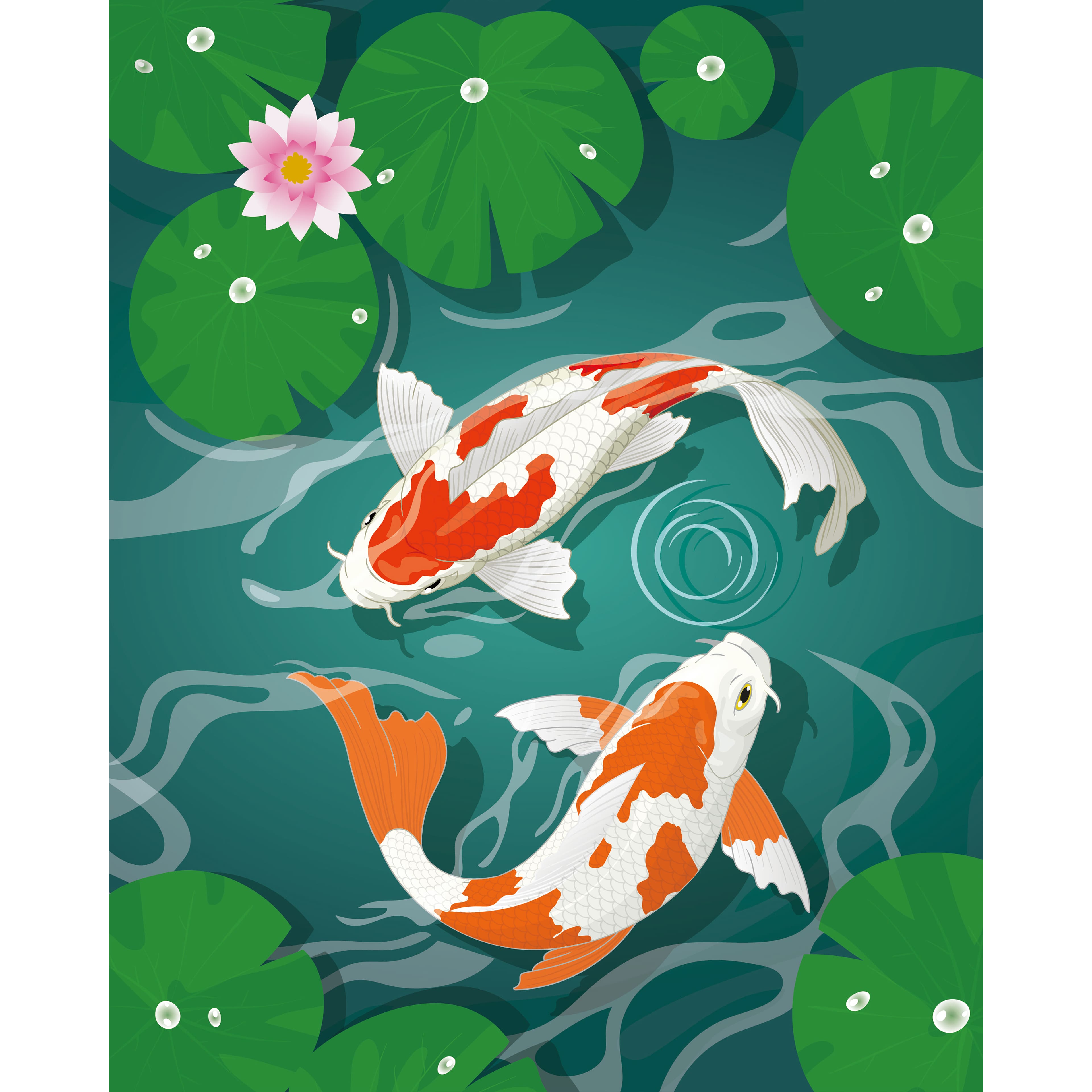
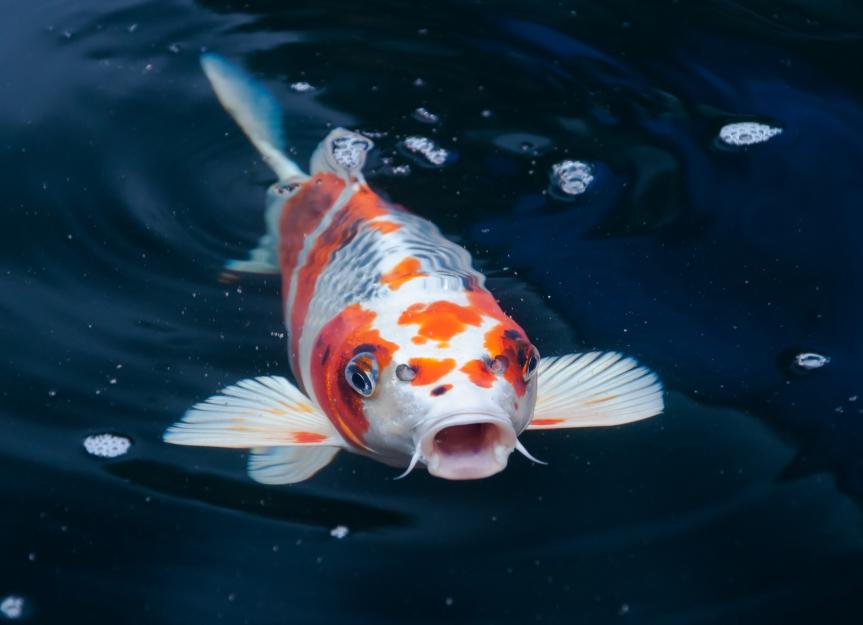
There are many types of koi fish. Each type has unique colors and patterns. Some common types include Kohaku, Sanke, and Showa. Kohaku koi have white bodies with red markings. Sanke koi have white bodies with red and black spots. Showa koi have black bodies with red and white patterns. These varieties make koi fish very popular for ponds and gardens. Collectors enjoy choosing koi based on their colors and designs.
Koi Fish Characteristics
Koi fish are famous for their unique and beautiful traits. These traits make them popular in ponds and water gardens worldwide. Understanding their characteristics helps appreciate their beauty and care needs.
Koi fish have distinct features that set them apart from other fish. Their colors and patterns are especially eye-catching. Each koi has a story told through its appearance.
Physical Features
Koi fish have long, slender bodies that swim gracefully. Their scales are smooth and shiny, reflecting light beautifully. They grow quite large, sometimes over two feet long.
Koi have barbels on each side of their mouth. These help them sense food in the water. Their fins are broad and strong, aiding in steady movement.
Color Patterns
Koi display a wide range of colors. Common colors include white, red, yellow, black, and blue. Their colors appear in spots, patches, or stripes across their bodies.
Each koi’s pattern is unique. Some have bold red patches, while others show soft blends of colors. Patterns can change slightly as the fish grows.
Bright colors signal good health in koi. Dull colors may mean the fish is stressed or sick. Clean water and proper food help keep their colors vibrant.
Setting Up A Koi Pond
Setting up a koi pond is an exciting project. It brings beauty and calmness to your garden. Proper planning helps koi thrive and stay healthy. Each step matters, from location to water care.
Choosing The Right Location
Select a spot with partial sunlight. Koi need some sun but not too much. Avoid places near trees to limit falling leaves. Leaves can pollute water and harm fish. Choose a flat area to make pond building easier.
Pond Design And Size
Design the pond with enough space for koi to swim. A depth of at least 3 feet keeps fish safe in winter. Bigger ponds hold more water and stay stable. Use smooth materials to protect fish from injury. Plan for easy access to clean and feed the pond.
Water Quality And Filtration
Clean water is key to healthy koi. Use a good filtration system to remove waste and dirt. Test water regularly for pH, ammonia, and nitrates. Keep water oxygenated with pumps or fountains. Change some water weekly to keep it fresh.
Koi Fish Care
Koi fish care is essential for their health and beauty. These colorful fish need proper attention to thrive. Simple steps can keep koi happy and strong. Understanding their needs helps prevent common problems. Here are key care tips for koi fish.
Feeding Guidelines
Feed koi fish high-quality food made for them. Offer food two or three times a day. Only give what they can eat in five minutes. Avoid overfeeding to keep water clean. Use pellets or flakes with balanced nutrients. Fresh vegetables can be a good treat. Stop feeding when water temperature drops below 50°F.
Health And Disease Prevention
Check koi fish daily for signs of illness. Look for spots, unusual swimming, or changes in color. Keep pond water clean and filtered well. Change water regularly to reduce harmful bacteria. Quarantine new fish before adding them to the pond. Avoid overcrowding to reduce stress and disease risk. Use natural remedies or medicines carefully if needed.
Seasonal Care Tips
Adjust care based on the season for koi health. In spring, clean the pond and check equipment. Summer needs shade and extra aeration to cool water. Fall is time to reduce feeding as fish slow down. Winter requires monitoring water temperature and oxygen levels. Avoid disturbing koi during cold months. Use pond heaters or aerators to keep water safe.
Breeding Koi
Breeding koi is a rewarding hobby that brings joy and beauty to any pond. It takes patience and care to raise healthy koi from eggs. Understanding the basics helps you succeed and enjoy the process.
Selecting Breeding Pairs
Choose strong, healthy koi with good colors and patterns. Pick fish that are at least two years old. Males are usually slimmer, and females are rounder. Pair koi with traits you want to see in their babies. Avoid fish with health problems or weak colors. Good pairs produce better fry and more vibrant koi.
Spawning Process
Spawning happens in spring when water warms up to about 68°F (20°C). Provide a flat surface or spawning mop for eggs. Males chase females and nudge them to release eggs. Females lay sticky eggs that attach to the spawning surface. After spawning, remove adult koi to prevent them from eating eggs. Eggs hatch in about four days, depending on temperature.
Raising Fry
Keep fry in clean, warm water with good aeration. Feed tiny foods like infusoria or special fry food. Change water often to keep it fresh. Fry grow fast but need space to swim. Move them to bigger tanks or ponds as they grow. Watch for signs of disease and remove weak fry. Healthy care leads to strong young koi.
Credit: canada.michaels.com
Koi Fish Behavior
Koi fish are known for their calm and graceful behavior. They move slowly and smoothly in the water. Observing their actions helps understand their needs and feelings. Their behavior is a key part of their charm and appeal. Each koi has a unique personality that shines through their actions.
Social Habits
Koi fish enjoy being with others. They swim in groups called shoals. This group behavior makes them feel safe. Koi often follow each other around the pond. They sometimes compete gently for food. Their social nature helps reduce stress and keeps them active.
Interaction With Owners
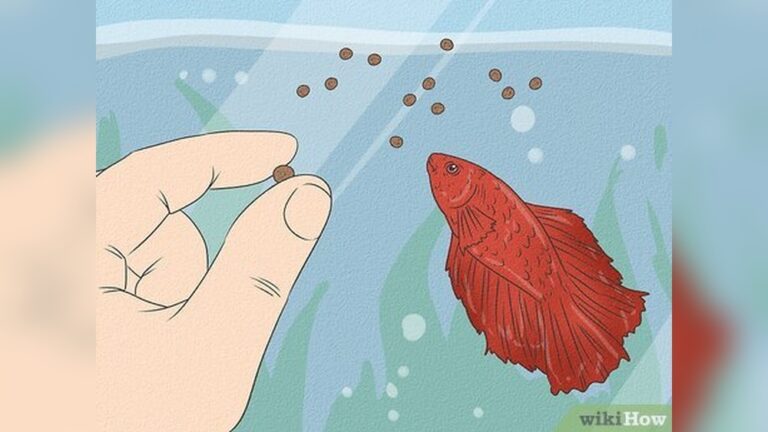
Koi recognize their owners by voice and touch. They come to the pond edge when called. Many koi learn to eat from hand. They show curiosity and trust towards humans. This interaction creates a special bond. Feeding and caring for koi can be a relaxing routine for owners.
Common Koi Fish Problems
Koi fish are beautiful and peaceful creatures. They bring calm and color to garden ponds. Despite their hardiness, koi face common problems. These issues can affect their health and happiness. Spotting problems early helps keep koi safe and strong.
Identifying Illnesses
Koi fish can get sick from bacteria, viruses, or fungi. Watch for unusual spots, faded colors, or torn fins. Fish that swim slowly or hide often might be ill. Swollen bellies and gasping for air are warning signs. Regular checks help catch illnesses before they get worse.
Pest Control
Pests like fish lice and anchor worms harm koi fish. These parasites attach to skin and fins. They cause irritation and infection. Check fish regularly for small moving dots or holes in scales. Using safe treatments keeps pests away and fish healthy. Clean water and good pond hygiene reduce pest risks.
Koi Fish In Culture
Koi fish have deep cultural roots in many countries, especially in Asia. They symbolize strength, courage, and perseverance. People admire koi not just for their beauty but for their meaning in stories and traditions. These fish appear often in art, literature, and festivals. Their presence shows respect for nature and life’s challenges.
Art And Literature
Koi fish appear in paintings and poems worldwide. Artists use koi to show peace and resilience. In Japanese prints, koi often swim upstream, symbolizing determination. Writers tell tales of koi overcoming obstacles to become dragons. These stories inspire readers to face challenges bravely. Koi motifs also decorate homes and temples, bringing calm and luck.
Festivals And Traditions
Many cultures celebrate koi fish in festivals. In Japan, “Children’s Day” features colorful koi flags. These flags represent wishes for children’s health and success. Koi are also part of garden and pond traditions. People believe caring for koi brings harmony and good fortune. Festivals often include koi races and special ceremonies honoring these fish.
Credit: www.petmd.com
How Smart Pets Lover Can Help You with Koi Fish
Learning Through the Art of Koi Fish Care
Embracing the world of koi fish offers more than just a beautiful pond centerpiece—it opens the door to practical learning experiences that nurture patience, observation, and responsibility. As you set up your koi pond and dive into koi fish care, you’ll quickly discover how these graceful creatures respond to their environment and routine, teaching valuable lessons in consistency and empathy.
Understanding koi fish behavior, for example, can sharpen your skills in interpreting non-verbal cues, much like reading the subtle signals pets send. Meanwhile, exploring breeding koi encourages a hands-on approach to biology and environmental balance, deepening your connection not only with the fish but with nature itself.
- Documenting growth and changes in your koi can strengthen your observation skills.
- Maintaining water quality enhances your knowledge of aquatic ecosystems.
- Recognizing common koi fish problems hones problem-solving abilities.
At Smart Pets Lover, we believe every pet journey—whether with dogs, cats, birds, or fish—is an opportunity to learn and grow. For those passionate about koi or seeking guidance, reaching out to aquatic care communities or local experts can provide personalized support. Remember, caring for koi is more than a hobby; it’s a rewarding path to becoming a more mindful pet parent.
Frequently Asked Questions
What Is The Lifespan Of A Koi Fish?
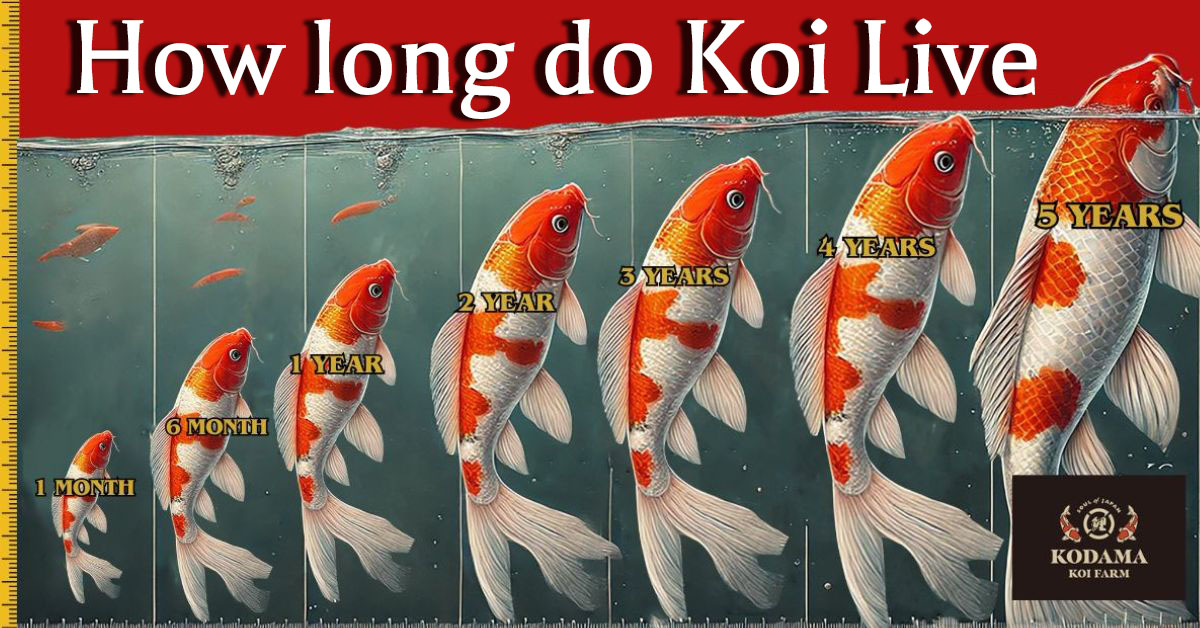
Koi fish typically live 25 to 35 years, with some reaching 50 years. Proper care and a healthy environment extend their lifespan significantly.
How Do Koi Fish Change Color Over Time?
Koi colors develop based on genetics, diet, water quality, and sunlight exposure. Their colors may deepen or fade as they age and grow.
What Is The Ideal Pond Size For Koi Fish?
A minimum pond size of 1,000 gallons is ideal for koi. Larger ponds ensure better water quality and space for healthy growth.
How Often Should I Feed My Koi Fish?
Feed koi 1-2 times daily during warm months. Reduce feeding in colder months as their metabolism slows down.
Conclusion
Koi fish bring beauty and peace to any pond or garden. They are easy to care for and live many years. Watching their colors and movements can calm the mind. These fish also symbolize good luck and friendship in many cultures.
Enjoying koi fish can be a fun and relaxing hobby. A small pond with koi can brighten your home or yard. Give koi fish a try to add life and color. Their charm can make any space feel special and alive.