Betta Fish Care
If you want a beautiful, colorful pet that’s easy to care for, a betta fish might be perfect for you. But to keep your betta healthy and happy, you need to know the right care tips.
Imagine your betta swimming actively and showing off vibrant colors every day—that’s what proper care can do. In this guide, you’ll discover simple steps to create the best home for your betta fish. Ready to become the best betta owner?
Let’s dive in!

Credit: www.aquaticlivefood.com.au
Choosing The Right Betta
Choosing the right Betta fish is the first step to a happy aquarium. Bettas come in many shapes and colors. Each type has unique traits. Picking a healthy Betta means your fish will live longer. This section helps you find the best Betta for your home.
Types Of Betta Fish
Bettas have many types based on tail shape and color. The most common are Veil Tail, Crowntail, and Halfmoon. Veil Tails have long, flowing fins. Crowntails show spiky fin edges. Halfmoons spread their tail wide like a fan. Colors range from bright red to deep blue. Some Bettas have marble patterns or metallic sheens. Choose a type that fits your style and tank size.
Selecting Healthy Bettas
Look for active Bettas with clear eyes and smooth scales. Avoid fish with torn fins or white spots. Healthy Bettas swim strongly and respond to movement. Check for round, full bodies without swelling. Bright colors also show good health. Ask the seller about the Betta’s age and care history. A healthy Betta will adjust well to new tanks.
Setting Up The Tank
Setting up the tank is the first step in caring for your Betta fish. A proper tank creates a safe and healthy home. It helps your fish feel comfortable and live longer. This section covers the basics of tank size, water conditions, and equipment.
Tank Size And Shape
Choose a tank at least 5 gallons in size. Small tanks make it hard to keep water clean. Betta fish need space to swim freely. A wider tank is better than a tall, narrow one. Bettas like to explore near the surface and bottom. Avoid tiny bowls that limit movement and oxygen.
Water Conditions
Keep water temperature between 75 and 80 degrees Fahrenheit. Bettas are tropical fish and need warm water. Test water pH regularly; it should be 6.5 to 7.5. Avoid sudden changes in water temperature or pH. Change 25% of the water weekly to remove waste. Use a water conditioner to remove chlorine and toxins.
Filtration And Heating
Install a gentle filter to keep water clean without strong currents. Strong water flow stresses Betta fish and affects their fins. Use a heater to maintain a stable temperature. Bettas do not tolerate cold water well. Check the heater regularly to avoid temperature drops. A thermometer helps monitor water temperature precisely.
Feeding Your Betta
Feeding your betta fish is a key part of keeping it healthy and happy. Providing the right food and feeding routine helps your fish grow strong and live longer. Bettas need a balanced diet with the right nutrients. Too much or too little food can cause health problems.
Understanding what to feed and how often will improve your betta’s life. Below are some tips on the best diet, feeding schedule, and how to avoid overfeeding.
Best Diet Options
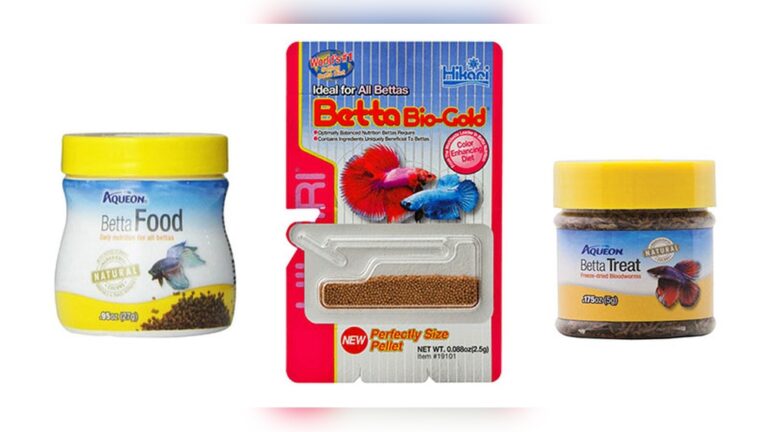
Bettas are carnivores and need protein-rich food. High-quality betta pellets are a great staple. Freeze-dried or frozen bloodworms, brine shrimp, and daphnia make good treats. Avoid flakes designed for other fish. They may not have enough nutrition for bettas. Fresh or frozen foods help mimic natural diet and keep your betta interested.
Feeding Schedule
Feed your betta twice a day, small portions each time. A few pellets or a teaspoon of frozen food is enough. Remove uneaten food after two minutes to keep water clean. Consistent feeding times help your betta feel secure and healthy. Skip feeding once a week to help clear their digestive system.
Avoiding Overfeeding
Overfeeding can cause obesity and poor water quality. It may lead to swim bladder problems and reduce lifespan. Feed only what your betta can eat in two minutes. Watch your fish for signs of bloating or sluggishness. Adjust the amount if needed. Clean the tank regularly to prevent leftover food buildup.
Daily Betta Care
Daily Betta care is important to keep your fish healthy and happy. Betta fish need close attention every day. Small actions can prevent big problems. Healthy habits help your Betta live longer and stay active. Follow easy steps to care for your Betta daily.
Monitoring Behavior
Watch your Betta fish closely each day. Look for changes in swimming or eating habits. Notice if your fish hides or stays still for long. Check for faded colors or torn fins. Early signs of illness often show in behavior. Acting fast helps your Betta recover quickly.
Cleaning The Tank
Clean your Betta’s tank regularly to keep it safe. Remove uneaten food and debris from the water. Change about 20-30% of the water every week. Use a siphon or gravel vacuum for cleaning. Avoid strong chemicals that can harm your fish. A clean tank reduces bacteria and algae growth.
Maintaining Water Quality
Keep the water temperature steady, around 76-82°F (24-28°C). Test water parameters weekly for ammonia, nitrites, and pH levels. Use a water conditioner to remove chlorine and chloramine. Good water quality prevents stress and disease. A proper filter helps maintain clean and clear water.
Common Health Issues
Betta fish are beautiful pets, but they can face health problems. Knowing common health issues helps keep your Betta safe and happy. Early care can prevent serious illness. Watch for changes in behavior or appearance. Quick action improves recovery chances.
Signs Of Illness
Betta fish show clear signs when sick. Look for faded colors or torn fins. Slow swimming or hiding often means stress or disease. Gasping at the water surface can signal poor water quality. White spots on the body may be ich. Swelling or lumps on the body need attention. Always observe your fish daily for these signs.
Treating Common Diseases
Treatment depends on the illness. For ich, raise water temperature slightly and use medicine. Fin rot needs antibacterial treatments and clean water. Swim bladder problems require fasting and feeding peas. Always isolate sick fish to stop disease spread. Change water regularly and follow medicine instructions carefully. Monitor your fish closely during treatment to see improvement.
Preventative Measures
Prevent health problems with simple steps. Keep water clean with regular changes. Use a good filter and test water often. Avoid overfeeding and remove uneaten food. Provide a balanced diet for strong immunity. Quarantine new fish before adding them to the tank. Keep the tank at a stable temperature around 78°F. Healthy habits help your Betta live longer and stay active.
Betta Tank Mates
Choosing the right tank mates for your betta fish can be tricky. Bettas are known for their bright colors and flowing fins. They also have a strong personality. Some fish can live peacefully with bettas, while others may cause stress or fights.
Understanding which species get along with bettas is important. It helps create a calm and healthy tank environment. This section covers compatible species, tips to avoid aggression, and how to set up community tanks.
Compatible Species
Small, peaceful fish usually do well with bettas. Examples include neon tetras, corydoras catfish, and harlequin rasboras. Snails and shrimp are also good options. Avoid fin-nippers or fast swimmers. These can annoy or harm your betta.
Avoiding Aggression
Bettas can be territorial. Keep only one male betta per tank. Female bettas may live together with enough space. Add plenty of hiding spots with plants and decorations. Watch for signs of stress or fighting. Remove aggressive fish immediately to prevent injury.
Setting Up Community Tanks
Use a tank at least 10 gallons for community setups. Provide plants, caves, and other shelters. Space helps reduce fights and stress. Feed fish carefully to avoid competition. Regular water changes keep the tank clean and healthy for all fish.
Breeding Betta Fish
Breeding Betta fish can be a rewarding experience. It helps to understand their natural habits and needs. Bettas show unique behaviors during breeding. Careful preparation ensures success and healthy offspring.
Preparing The Breeding Tank
Choose a small tank, about 5 gallons, for breeding. Keep the water clean and warm, around 78-80°F. Add a few inches of water and gentle filtration. Provide hiding spots using plants or small decorations. Use a clear lid to keep the water warm. Avoid strong currents that might disturb the fish.
Spawning Process
Introduce the male and female carefully into the tank. The male builds a bubble nest on the water surface. The female shows vertical stripes when ready to breed. The male wraps around the female to fertilize the eggs. After spawning, remove the female to avoid aggression. The male guards the eggs and bubble nest.
Caring For Fry
Wait for eggs to hatch in about 24-36 hours. The fry stay near the bubble nest for several days. Feed the fry with tiny foods like infusoria or baby brine shrimp. Keep the water clean by changing small amounts daily. Remove the male after the fry swim freely. Monitor growth and health closely during this stage.

Credit: www.reddit.com
Credit: www.reddit.com
How Smart Pets Lover Can Help You with Betta Fish Care
Turning Betta Fish Care Into a Learning Journey
Caring for a betta fish isn’t just about setting up a beautiful tank or feeding them daily; it’s an opportunity to deepen your connection with these vibrant companions. As you navigate daily betta care and explore common health issues, you’re also developing keen observation skills—learning to notice subtle changes that can make all the difference in your fish’s well-being.
Practical learning comes naturally when you experiment with tank setups or consider suitable betta tank mates. Each step encourages thoughtful decision-making and responsibility, helping you grow as a pet parent. This hands-on experience aligns perfectly with the ethos of Smart Pets Lover, where understanding and confidence are key to nurturing any pet.
- Keep a journal of your betta’s behavior and feeding patterns to spot trends.
- Research and test different plants or decorations that enhance your tank’s environment.
- Engage with online communities or trusted pet care resources for real-life tips.
For further guidance or questions, connecting with knowledgeable pet experts or local aquarists can be invaluable. Remember, every moment spent caring for your betta is part of a rewarding story you’re writing together.
Frequently Asked Questions
How Often Should I Feed My Betta Fish?
Feed your betta fish once or twice daily. Provide small amounts they can finish within two minutes. Avoid overfeeding to prevent health issues and water pollution.
What Size Tank Is Best For Betta Fish?
A minimum 5-gallon tank is ideal for betta fish. Larger tanks provide stable water conditions and more swimming space, promoting better health and activity.
How Do I Maintain Water Quality For Bettas?
Regularly change 25-50% of the water weekly. Use a water conditioner to remove chlorine and harmful chemicals. Monitor temperature and pH for optimal betta health.
Can Betta Fish Live With Other Fish?
Bettas can be aggressive. Avoid housing males together. Peaceful tank mates like snails or certain small fish can coexist in a well-maintained aquarium.
Conclusion
Caring for betta fish is simple with the right steps. Provide clean water and a balanced diet daily. Watch their behavior to spot any health issues early. Keep the tank warm and avoid overcrowding. A happy betta shows bright colors and active swimming.
Small efforts bring big rewards in fish care. Enjoy watching your betta thrive in a safe home. Consistency and attention make all the difference for your fish. Betta fish care is rewarding and fun for all pet lovers.