Freshwater Angelfish
Are you thinking about adding a stunning new fish to your aquarium? Freshwater angelfish might be just what you need.
These elegant creatures bring vibrant colors and graceful movements that can transform your tank into a lively underwater paradise. But there’s more to them than just good looks. Understanding their behavior, care needs, and tank requirements will help you create the perfect home for your angelfish.
Keep reading to discover everything you need to know to make your freshwater angelfish thrive and become the centerpiece of your aquatic world.
Species Varieties
Freshwater angelfish offer a fascinating range of species varieties. These varieties differ in looks, size, and color. Exploring these types helps hobbyists choose the perfect fish for their tanks.
Common Types
The most popular freshwater angelfish is the Pterophyllum scalare. It has a tall, thin body and long fins. Another type is the Pterophyllum altum, known for its larger size and sharp fin edges. The Pterophyllum leopoldi is smaller and less common but prized for its unique shape. Each type brings something special to an aquarium.
Color Variations
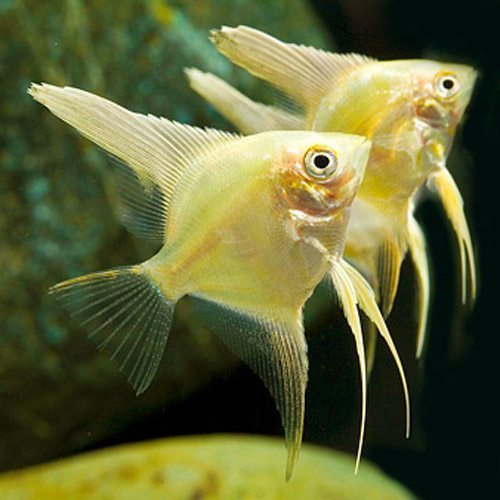
Freshwater angelfish come in many colors. The classic silver with black stripes is the most familiar. There are also golden angelfish with bright yellow bodies. Marble angelfish show mixed patterns of white, black, and gold. Some have solid colors, like black or white. These variations add beauty and diversity to any tank.
Size Differences
Size varies among freshwater angelfish species. Pterophyllum scalare typically grows up to 6 inches tall. Pterophyllum altum can reach 8 inches or more. The smaller Pterophyllum leopoldi stays under 4 inches. Knowing size helps plan tank space and fish compatibility.

Credit: blogs.thatpetplace.com
Habitat Needs
Freshwater angelfish need a special home to thrive. Their habitat must mimic their natural environment closely. This helps them stay healthy and show their beautiful colors. Understanding their habitat needs is key to successful care.
Each part of their tank plays a role. Water, tank setup, and decorations all matter. These factors create a comfortable space for angelfish to swim and grow.
Water Conditions
Freshwater angelfish prefer warm water between 76°F and 82°F. The pH level should stay between 6.5 and 7.5. Soft to medium water hardness works best for them. Clean water with low ammonia and nitrites is important. Regular water changes keep the tank safe.
Tank Setup
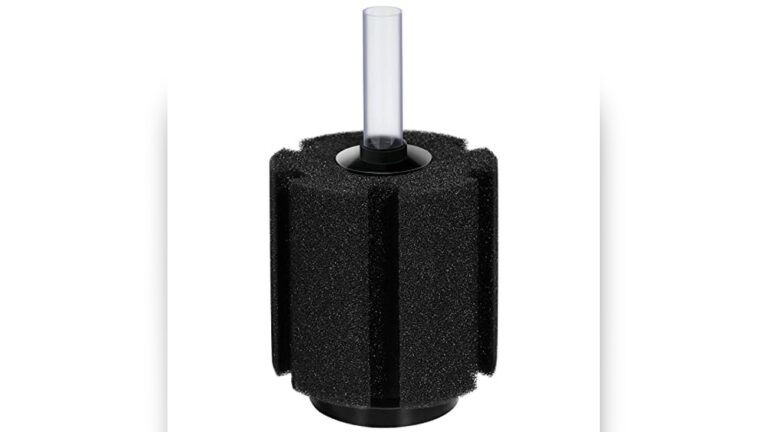
A tank of at least 20 gallons suits angelfish well. They need vertical space to swim up and down. A good filter keeps the water clean without strong currents. Provide gentle water flow to mimic their natural rivers. Cover the tank to prevent jumping.
Plant And Decor Choices
Live plants help create a natural look and clean water. Tall plants like Amazon swords offer hiding spots. Driftwood and smooth rocks add shelter and resting places. Avoid sharp decorations that might hurt delicate fins. Open swimming areas let angelfish move freely.
Feeding Habits
Freshwater Angelfish have unique feeding habits that keep them healthy and active. Their diet needs variety to provide all essential nutrients. Understanding their feeding habits helps maintain their vibrant colors and lively behavior.
Diet Types
Freshwater Angelfish eat both plant and animal foods. They enjoy flakes, pellets, and frozen or live foods. Common options include brine shrimp, bloodworms, and daphnia. Including vegetable matter like spirulina flakes supports their digestion. A mixed diet ensures balanced nutrition and prevents illness.
Feeding Frequency
Feed Angelfish two times daily in small amounts. Only offer what they can eat in two minutes. Overfeeding causes water pollution and health problems. Juvenile fish may eat more often, up to three times daily. Regular feeding helps maintain steady growth and energy levels.
Nutritional Tips
Rotate different food types to avoid diet boredom. Supplement with occasional live foods to boost natural instincts. Avoid feeding exclusively on flakes or pellets. Use high-quality foods designed for tropical fish. Clean leftover food promptly to keep the tank clean and safe.
Behavior Patterns
Freshwater angelfish have unique behavior patterns that make them fascinating pets. Their actions reveal much about their social nature and habitat needs. Understanding these patterns helps create a better environment for them.
Social Interaction
Angelfish enjoy company but have clear social rules. They swim in groups but keep personal space. They recognize each other and may show curiosity or caution. Young angelfish are more playful and active together.
Territorial Traits
These fish become more protective as they grow. Males often guard specific areas in the tank. They use fins and body posture to signal ownership. Conflicts are common if space is limited or if new fish enter.
Breeding Behavior
Angelfish pairs form strong bonds during breeding. They clean flat surfaces for egg laying. Both parents guard eggs and fry carefully. Their care ensures higher survival rates for the young.
Health Care
Proper health care is essential for freshwater angelfish. Healthy fish live longer and look more vibrant. Understanding their common diseases helps keep them safe. Good care reduces stress and illness. Clean water and good food support their well-being.
Common Diseases
Freshwater angelfish often face diseases like Ich, fin rot, and fungal infections. Ich shows as white spots on their body. Fin rot causes ragged or missing fins. Fungal infections appear as cotton-like growths. These diseases can spread fast in tanks.
Prevention Methods
Keep the tank clean and water fresh. Change water regularly to avoid toxins. Use a good filter to remove waste. Feed balanced food for strong immunity. Avoid overcrowding to reduce stress and illness. Quarantine new fish before adding them to the tank.
Treatment Options
Use aquarium salt or medicated baths for mild cases. Antibiotics help fight bacterial infections. Antifungal medicine treats fungal growths. Raise tank temperature slightly to combat Ich. Follow product instructions carefully for safe treatment. Remove sick fish to prevent spreading.
Credit: azgardens.com
Breeding Tips
Breeding freshwater angelfish can be a rewarding experience for aquarium hobbyists. These beautiful fish require specific care and conditions to breed successfully. Understanding their needs helps ensure healthy offspring and a thriving tank.
Breeding Setup
Choose a separate breeding tank to increase success rates. Keep the water temperature around 78 to 82°F (25 to 28°C). Use soft, slightly acidic water with a pH near 6.5. Add broad-leaf plants or flat surfaces for egg laying. Keep the tank clean and well-filtered. Avoid strong currents as angelfish prefer calm water for breeding.
Spawning Process
Pairs usually form naturally and clean a flat surface together. The female lays eggs in neat rows on the surface. The male then fertilizes the eggs carefully. Both parents guard the eggs from other fish. Eggs hatch in about 48 to 60 hours depending on temperature. Remove other fish to protect the eggs and fry.
Raising Fry
Once hatched, fry feed on their yolk sacs for a few days. After that, provide infusoria or liquid fry food. Gradually introduce newly hatched brine shrimp as they grow. Keep the water clean with gentle filtration. Separate parents if they show signs of eating the fry. Regular feeding and stable water conditions help fry grow strong.
Tank Mates
Choosing the right tank mates for freshwater angelfish is important. These fish have a calm but sometimes territorial nature. The right companions create a peaceful aquarium. The wrong ones cause stress and fights. Understanding suitable species helps keep the tank balanced and healthy.
Compatible Species
Freshwater angelfish get along with many peaceful fish. Tetras, gouramis, and corydoras catfish are good choices. Larger tetras like black skirt or lemon tetras work well. These fish swim at different levels, reducing conflicts. Plecos and peaceful rainbowfish also share space nicely.
Aggressive Species To Avoid
Avoid fin-nippers and very active fish. Tiger barbs and some cichlids may attack angelfish fins. Large aggressive fish like oscars cause stress. Avoid small fish that angelfish may see as food. Aggressive or overly active tank mates disturb the calm environment.
Community Tank Tips
Keep tank size at least 20 gallons for angelfish groups. Provide plenty of plants and hiding spots. Space reduces fights and stress. Feed all fish well to avoid competition. Watch for signs of aggression or stress daily. Remove any fish causing trouble quickly.

Credit: www.aquariumcoop.com
How Smart Pets Lover Can Help You with Freshwater Angelfish
Learning Through Freshwater Angelfish Care
Understanding freshwater angelfish offers more than just a window into a vibrant aquatic world—it’s a practical way to deepen your connection as a pet parent. By paying close attention to their habitat needs and behavior patterns, you naturally develop skills in creating balanced environments and reading subtle signals of well-being or stress. These insights, rooted in responsible care, align perfectly with the thoughtful approach that Smart Pets Lover champions.
For example, adjusting tank conditions to mimic their natural habitat not only supports their health but also teaches patience and observation. Likewise, exploring their feeding habits encourages a mindful routine that fosters trust and responsiveness between you and your angelfish. This hands-on learning complements the broader journey of pet care, where each wag, purr, or swim tells a story worth understanding.
If you ever want to dive deeper or share your experiences, connecting with communities dedicated to fish care can be invaluable. Smart Pets Lover remains a warm resource for thoughtful advice and shared passion, reminding us all that every pet parent grows through love and learning.
Frequently Asked Questions
What Is The Ideal Tank Size For Freshwater Angelfish?
A minimum of 20 gallons is ideal for one angelfish. Larger tanks are better for groups to provide space and reduce aggression.
How Often Should I Feed Freshwater Angelfish?
Feed angelfish 2-3 times daily with varied foods. Include flakes, pellets, and occasional live or frozen treats for balanced nutrition.
What Water Conditions Do Freshwater Angelfish Prefer?
They thrive in water with 76-82°F temperature, pH 6. 5-7. 5, and moderate hardness. Stable, clean water is crucial for their health.
Are Freshwater Angelfish Compatible With Other Fish?
Angelfish can cohabit with peaceful medium-sized fish. Avoid small fin-nippers and overly aggressive species to prevent stress and injury.
Conclusion
Freshwater angelfish add beauty and calm to any aquarium. They need clean water and a balanced diet to thrive. Keep their tank spacious with plants and hiding spots. Watch their behavior to ensure they stay healthy and happy. These fish bring joy to hobbyists of all skill levels.
Caring for them is simple with the right knowledge. Enjoy the charm and grace these fish provide every day.