Platy Fish
If you’re looking to add vibrant colors and lively energy to your aquarium, platy fish might be just what you need. These small, friendly fish are easy to care for and perfect for both beginners and experienced hobbyists.
Imagine watching your tank come alive with their bright shades and playful movements every day. You’ll discover everything you need to know about platy fish—from their care tips to choosing the right environment—so you can create a stunning underwater world that brings you joy and relaxation.
Keep reading, and let’s dive into the colorful world of platy fish together!

Credit: aquariumtidings.com
Platy Fish Basics
Platy fish are popular among aquarium lovers for their bright colors and easy care. These small fish bring life and movement to any tank. They adapt well to many water conditions, making them ideal for beginners. Understanding their basics helps you keep them healthy and happy.
Species Varieties
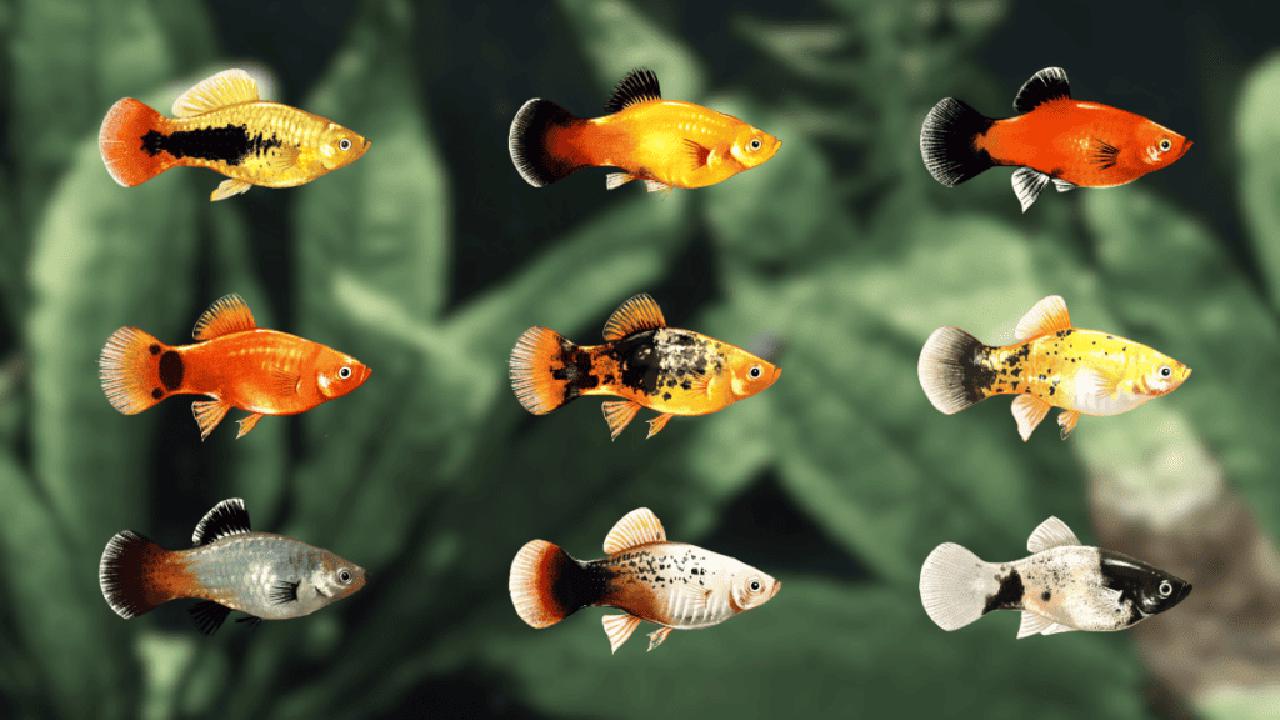
Platy fish belong to the genus Xiphophorus. There are several common types, including the Southern Platy and the Variatus Platy. Each species has unique colors and patterns. Breeders have created many hybrids with vibrant hues. You can find platys in red, orange, blue, yellow, and mixed colors.
Physical Traits
Platys are small fish, usually 2 to 3 inches long. They have a rounded body and a fan-shaped tail. Males have a pointed anal fin called a gonopodium. Females are larger and rounder with a more square-shaped fin. Their scales shine with bright, attractive colors. Their peaceful nature makes them great for community tanks.
Credit: www.hygger-online.com
Habitat Needs
Platy fish need a comfortable and stable home to thrive. Their habitat must mimic natural conditions. This keeps them healthy and active. Understanding their habitat needs helps create the best tank setup.
Water Conditions
Platies prefer clean, warm water. The ideal temperature is between 70°F and 78°F. Keep the pH level mild, around 7.0 to 8.2. Avoid sudden changes in water quality or temperature. Regular water changes keep the tank fresh. Use a good filter to remove waste and toxins.
Tank Setup
Platies need space to swim freely. A tank size of at least 10 gallons works well. Add plants and hiding spots for security. Live plants help keep the water clean. Use smooth gravel to protect their fins. Keep the tank well-lit but avoid harsh light. Proper setup encourages natural behavior and reduces stress.
Feeding Habits
Platy fish have simple feeding habits that suit beginner aquarists well. They are not picky eaters and adapt easily to different diets. Understanding their feeding needs helps keep them healthy and active in your tank.
Diet Types
Platy fish eat both plant and animal foods. They are omnivores. Their diet includes flakes, pellets, and live or frozen foods like brine shrimp. Vegetables such as spinach or peas also work well. A varied diet promotes their bright colors and good health.
Feeding Schedule
Feed platy fish small amounts two times a day. Overfeeding causes water problems and health issues. Remove any leftover food after a few minutes. This keeps the tank clean and fish happy. Consistent feeding times help platies stay active and grow well.
Behavior Traits
Platy fish display interesting behavior traits that make them popular in home aquariums. These fish are peaceful and easy to care for. Observing their behavior can help you understand their needs better. Their social nature and activity level add life to any tank.
Social Interaction
Platy fish enjoy living with others. They thrive in groups of three or more. These fish are friendly and rarely show aggression. They often swim together in small schools. Watching them interact can be quite calming. Males sometimes chase each other gently. This is normal and part of their social play.
Activity Levels
Platies are active swimmers throughout the day. They explore all parts of the tank. Their movement keeps the aquarium lively and dynamic. These fish are most active during daylight hours. At night, they rest near plants or decorations. Their constant activity shows good health and comfort.
Breeding Tips
Breeding Platy fish is simple and rewarding. These livebearers breed often and easily. Understanding their breeding needs helps you raise healthy fry. This section covers key tips for successful breeding and care.
Mating Process
Platy fish mate naturally in community tanks. Males chase females gently to show interest. The male uses his gonopodium to fertilize the female’s eggs inside her body. Pregnancy lasts around 4 weeks. Females may hide in plants to prepare for birth.
Raising Fry
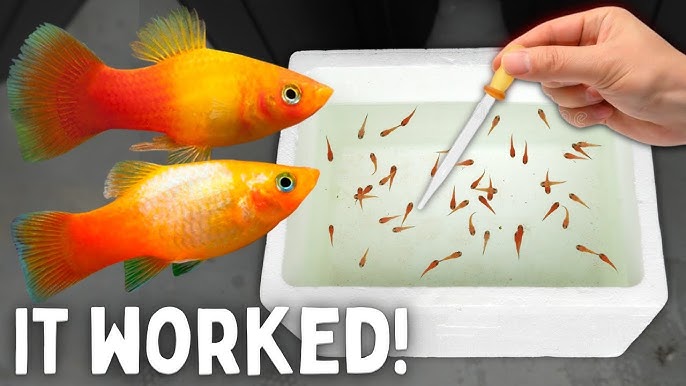
After birth, fry need protection from adult fish. Use a breeding box or separate tank for safety. Feed fry small foods like baby brine shrimp or crushed flakes. Change water often to keep it clean. Fry grow fast with good care and proper feeding.
Common Health Issues
Platy fish are hardy, but they can face health problems. Knowing common health issues helps keep them safe and happy. Watch for early signs to act fast. This reduces stress and prevents serious harm to your fish.
Disease Signs
Look for white spots on the body or fins. These may mean ich, a common parasite. Gasping at the surface or rubbing against objects signals irritation. Faded colors or clamped fins show stress or illness. Slow movement or hiding often indicates sickness. Swollen belly or bloated body can mean internal problems.
Treatment Options
Isolate sick platies in a separate tank. Use medicated water for parasites or bacterial infections. Change water regularly to keep it clean. Maintain proper temperature and pH levels. Feed high-quality food to boost their immune system. Follow treatment instructions carefully for best results.
Tank Mates
Choosing the right tank mates for your Platy fish is important. It helps keep your aquarium peaceful and healthy. Platies are small, colorful, and friendly fish. They live well with other calm fish. Picking suitable companions lets them thrive.
Compatible Species
Platies do well with many peaceful fish. Guppies, mollies, and swordtails make great companions. Corydoras catfish are also good tank mates. Small tetras, like neon tetras, fit in nicely. Snails and shrimp can live peacefully with Platies too. These species share similar water needs and temperaments.
Avoiding Conflicts
Avoid aggressive or very large fish. Cichlids and bettas may stress Platies. Keep tank space enough for all fish to swim freely. Provide hiding spots with plants and decorations. Watch fish behavior regularly to spot problems early. Separate fish if fights or bullying start. Peaceful interaction helps Platies stay happy and healthy.
Credit: www.youtube.com
How Smart Pets Lover Can Help You with Platy Fish
Learning Through Caring for Your Platy Fish
Welcoming a Platy Fish into your home is more than just adding a splash of color to your tank—it’s an opportunity to deepen your understanding of aquatic life and responsible pet care. By observing their behavior traits and feeding habits, you gain insights into the delicate balance that keeps these vibrant fish healthy and happy. Noticing how they interact with tank mates can teach patience and the importance of creating a harmonious environment.
Taking care of their habitat needs, such as maintaining water quality and temperature, encourages you to develop a routine that benefits not only your fish but also your broader approach to pet care. At Smart Pets Lover, we believe every pet parent deserves to feel confident and connected with their animals, and these everyday experiences with your Platy Fish can be both educational and emotionally rewarding.
If you ever have questions about breeding tips or common health issues, reaching out to knowledgeable communities or trusted resources can be a great way to stay informed and proactive. After all, every fin flutter tells a story worth learning from.
Frequently Asked Questions
What Is The Ideal Tank Size For Platy Fish?
A 10-gallon tank is ideal for Platy fish. It provides enough space for swimming and growth. Larger tanks reduce stress and improve water quality.
How Often Should I Feed Platy Fish?
Feed Platy fish twice daily with small portions. Use high-quality flakes or pellets. Supplement with live or frozen foods for variety.
Are Platy Fish Good For Beginners?
Yes, Platy fish are beginner-friendly. They are hardy, peaceful, and easy to care for. They adapt well to different water conditions.
How Can I Breed Platy Fish Successfully?
Maintain stable water conditions and provide hiding spots. Separate pregnant females to a breeding tank. Fry appear in about 4 weeks.
Conclusion
Platy fish make great pets for beginners and experts alike. They are colorful, peaceful, and easy to care for. These fish adapt well to different tank conditions. Feeding them is simple with many food options available. Watching their lively behavior brings joy every day.
A small tank or community setup works fine. Start with a few and enjoy their bright colors. Caring for platy fish can be relaxing and fun. They add life and beauty to any aquarium space. Consider adding platy fish to your home tank today.