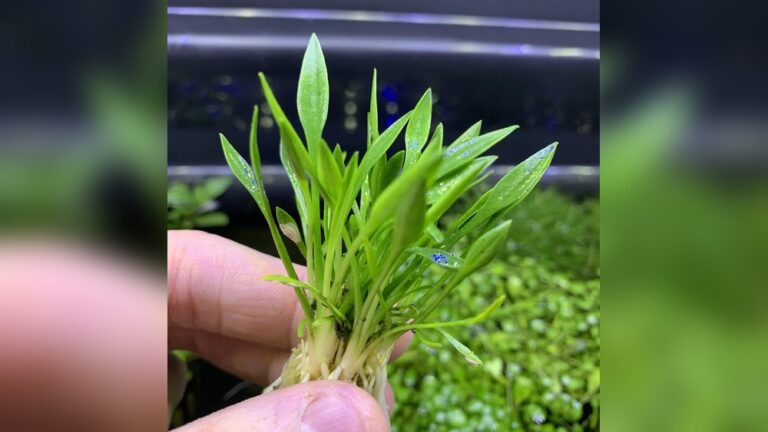
Low Light Aquarium Plants
Are you struggling to keep plants alive in your dimly lit aquarium? You’re not alone.
Many aquarium owners face this challenge and worry that low light means no green life. But what if you could create a thriving underwater garden without bright lights? You’ll discover the best low light aquarium plants that not only survive but flourish in less sun.
Imagine your tank full of vibrant greens, adding beauty and balance without extra effort. Keep reading, and you’ll learn how to transform your aquarium into a lush, peaceful haven—even with limited light.

Credit: aquariumbreeder.com
Benefits Of Low Light Plants
Low light aquarium plants offer many benefits to aquarium owners. They need less light to grow well. This makes them perfect for many tank environments. These plants help create a healthy and natural look in your aquarium. They also support fish and other aquatic life by providing shelter and oxygen.
Energy Efficiency
Low light plants reduce the need for strong lighting. This means you use less electricity. Lower energy use can save money on electric bills. It also helps the environment by reducing power consumption. You can keep your tank bright without extra energy costs.
Ease Of Maintenance
These plants are easy to care for. They grow well in low light, so you don’t need special lights. They require less trimming and cleaning. This saves time and effort in tank care. Beginners and busy hobbyists find them very convenient.
Versatility In Tank Setups
Low light plants fit many types of aquariums. They work in small or large tanks, and in different water conditions. You can place them in shaded corners or low-lit areas. This gives you more options for tank design. They help create a balanced and natural aquarium environment.
Top Low Light Aquarium Plants
Low light aquarium plants are perfect for tanks with minimal natural or artificial light. They grow well without strong lighting and need less care. These plants help keep the water clean and provide shelter for fish.
Here are some of the best low light plants for your aquarium. Each one is easy to grow and adds beauty to your tank.
Java Fern
Java Fern is a hardy plant that thrives in low light. It has long, green leaves that look great in any tank. You can attach it to rocks or driftwood. It grows slowly but needs little care.
Anubias
Anubias is popular for its thick, dark green leaves. It grows well in low light and low nutrients. This plant can attach to wood or stones. Anubias is tough and resists algae growth.
Cryptocoryne
Cryptocoryne has many types with different leaf shapes and colors. It grows well in low light and slow currents. This plant likes to root in the substrate. It adds color and texture to your aquarium.
Amazon Sword
Amazon Sword is a classic aquarium plant with broad leaves. It grows best in moderate to low light. This plant needs a nutrient-rich substrate. It provides hiding spots and helps oxygenate the water.
Java Moss
Java Moss is a soft, green moss that spreads quickly. It grows well in low light and low temperatures. This plant attaches to rocks, wood, or decorations. It offers shelter for small fish and shrimp.
Plant Care Tips
Taking care of low light aquarium plants is simple with the right tips. These plants need less light but still require good care. Understanding their needs helps them grow healthy and strong. Follow these key care tips to keep your aquarium lush and vibrant.
Lighting Requirements
Low light plants need soft, indirect light. Use LED or fluorescent lights with low wattage. Keep light on for 8 to 10 hours daily. Avoid strong light, which can harm these plants. Consistent lighting helps them grow steadily.
Water Conditions
Maintain clean water with regular changes. Keep the temperature between 72°F and 78°F. Check pH levels; 6.5 to 7.5 is best. Avoid sudden changes in water quality. Stable conditions reduce stress on plants.
Fertilization
Use liquid fertilizers designed for aquarium plants. Add nutrients weekly or biweekly for steady growth. Avoid over-fertilizing, which can cause algae. Root tabs help plants that absorb nutrients from the soil. Balanced fertilization supports healthy leaves and roots.
Pruning And Propagation
Trim dead or yellow leaves regularly. Pruning prevents decay and encourages new growth. Propagate by cutting healthy stems and planting them in substrate. This creates more plants and keeps the aquarium full. Regular care keeps plants looking fresh and lively.
Credit: www.etsy.com
Common Challenges
Low light aquarium plants bring beauty and life to your tank. They need less light but still face some common problems. These challenges can affect plant health and tank balance. Understanding these issues helps keep your plants strong and your aquarium clear.
Algae Growth
Algae can grow quickly in low light tanks. It competes with plants for nutrients. Too much algae makes the tank look dirty. It can cover plant leaves and block light. Controlling algae needs good water care and balanced feeding.
Plant Melting
Plant melting means leaves turn soft and die. It happens when plants adjust to new conditions. Low light can cause melting if plants get stressed. Remove dead leaves to stop decay. Healthy plants will grow new leaves over time.
Nutrient Deficiencies
Plants need nutrients to grow well. Low light can slow nutrient use but deficiencies still appear. Yellow or pale leaves show lack of nutrients. Adding the right fertilizer helps plants stay green and strong. Watch plants closely to spot problems early.
Design Ideas With Low Light Plants
Low light aquarium plants offer many design options for aquariums. These plants thrive with little light and create a calm, natural look. They help build beautiful underwater scenes without bright lighting. Using low light plants lets you design peaceful spaces that suit many fish and tank styles.
Creating Natural Landscapes
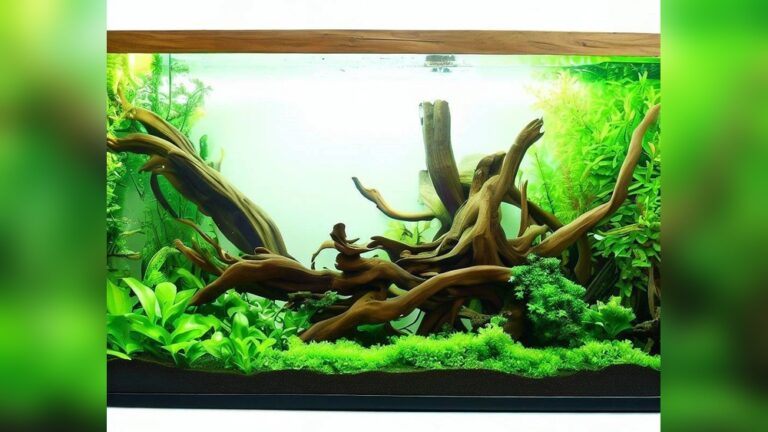
Use low light plants to create natural underwater landscapes. Place tall plants in the back to form a green wall. Shorter plants go in front to add depth. Driftwood and rocks blend well with plants to mimic riverbeds. This setup looks like a real water habitat. It gives fish places to hide and swim freely.
Highlighting Focal Points
Low light plants help highlight special areas in your tank. Surround a favorite decoration or fish statue with bright green plants. Use plants with different leaf shapes to add texture. This draws attention to the focal point without extra lighting. It makes your tank more interesting and balanced.
Combining With Fish And Invertebrates
Low light plants create a good home for fish and invertebrates. Fish use plants for shelter and breeding spots. Shrimp and snails enjoy grazing on plant surfaces. Choose plants that grow slowly to avoid too much maintenance. This combination keeps the tank healthy and lively. It also improves water quality naturally.

Credit: aquariumbreeder.com
How Smart Pets Lover Can Help You with Low Light Aquarium Plants
Learning Through Low Light Aquarium Plants
It’s one thing to admire the lush greenery of low light aquarium plants, but the real joy comes from caring for them and understanding their unique needs. As you’ve seen in the sections on plant care tips and common challenges, nurturing these plants offers a hands-on opportunity to learn about aquatic ecosystems, water chemistry, and how light affects plant growth. This practical experience can deepen your connection to your aquarium and boost your confidence as a pet parent.
At Smart Pets Lover, we believe every step in your pet care journey is a chance to grow—just like the plants in your tank. Whether you’re experimenting with design ideas or troubleshooting growth issues, these moments teach patience and observation, essential qualities for any animal lover. For questions or personalized advice, you can reach out to knowledgeable communities or resources dedicated to aquarium enthusiasts.
Remember, every leaf that unfurls in your aquarium tells a story—not just of nature, but of your dedication and care. Embrace the learning process and enjoy the vibrant, living art you’re creating.
Frequently Asked Questions
What Are The Best Low Light Aquarium Plants?
Some of the best low light aquarium plants include Java Fern, Anubias, and Cryptocoryne. These plants thrive in dim conditions and require minimal maintenance. They are perfect for beginners and help improve water quality naturally.
How Do Low Light Plants Benefit Aquarium Health?
Low light plants oxygenate water, absorb nitrates, and reduce algae growth. They create a natural habitat and improve fish wellbeing. These plants support a balanced ecosystem in your aquarium with less energy consumption.
Can Low Light Aquarium Plants Grow Without Co2?
Yes, many low light aquarium plants grow well without CO2 supplementation. Species like Java Moss and Anubias are adapted to low nutrient conditions. They grow slowly but stay healthy with proper lighting and regular water changes.
How To Maintain Low Light Aquarium Plants Effectively?
Maintain low light plants by providing 6-8 hours of indirect light daily. Avoid strong currents and overfeeding fish. Regularly trim dead leaves and clean the substrate to prevent algae buildup.
Conclusion
Choosing the right low light aquarium plants keeps your tank healthy and beautiful. These plants need less light but still grow well. They help clean the water and provide shelter for fish. You can enjoy a green, lively aquarium without strong lighting.
Start with easy plants and watch your underwater garden thrive. Low light plants make aquarium care simple and fun. Try them and see the difference in your tank today.