Tiger Lotus
Are you looking to add a stunning and unique plant to your aquarium or garden? The Tiger Lotus might be exactly what you need.
With its striking leaves and easy care, this plant can transform your space into a vibrant oasis. Imagine the rich colors and natural beauty enhancing your environment every day. You’ll discover everything you need to know about the Tiger Lotus—how to grow it, care for it, and make it thrive.
Keep reading, and you’ll unlock the secrets to making this captivating plant a highlight of your collection.
Tiger Lotus Basics
The Tiger Lotus is a popular aquatic plant. It adds beauty and color to freshwater aquariums. Many hobbyists choose it for its unique leaves and easy care. This plant can thrive both underwater and above water.
Understanding the basics of the Tiger Lotus helps in growing it well. Knowing its description, native habitat, and varieties guides proper care.
Plant Description
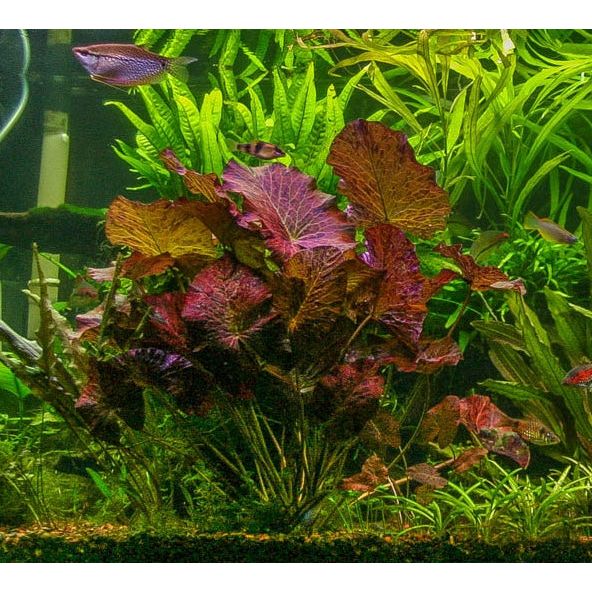
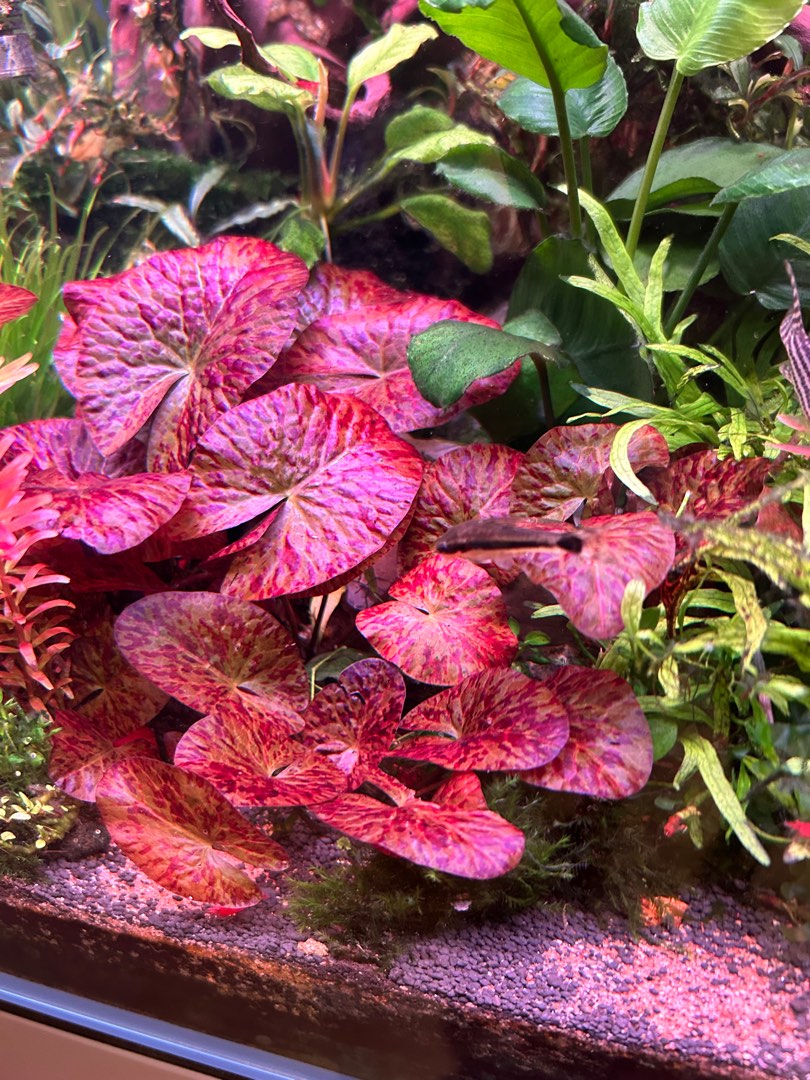
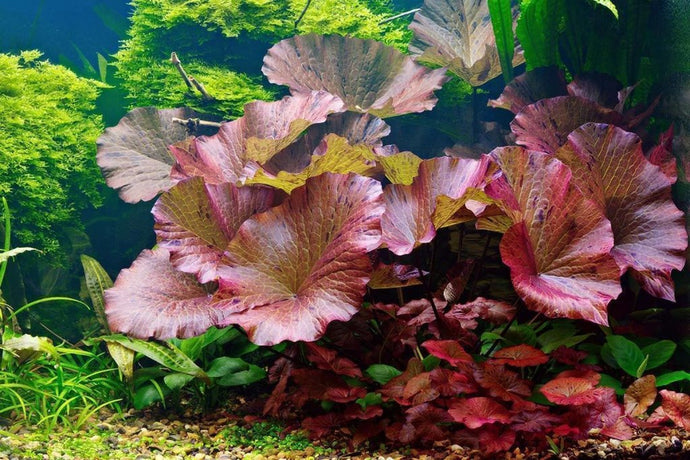
The Tiger Lotus has broad, rounded leaves. Its leaves show dark green or reddish shades with tiger-like stripes. The plant can grow tall, sometimes reaching the water surface. It produces large flowers that float on top. Its roots spread well in the substrate, helping it stay stable.
Native Habitat
Tiger Lotus comes from tropical regions of Asia. It grows in slow-moving rivers and shallow ponds. The plant prefers warm water and soft sunlight. Its natural habitat has rich, muddy soil. This environment helps the plant grow strong and healthy.
Common Varieties
There are several Tiger Lotus varieties popular in aquariums. The red Tiger Lotus is known for its deep red leaves. The green Tiger Lotus shows bright green foliage with stripes. Some varieties grow larger leaves, while others stay compact. Each type offers a unique look for aquascapes.
Growing Conditions
The Tiger Lotus plant thrives best under specific growing conditions. Proper care helps it grow strong and healthy. Understanding these needs ensures vibrant leaves and steady growth.
Light Requirements
Tiger Lotus loves bright light. It grows well with at least 8 hours of light daily. Use natural sunlight or strong aquarium lights. Low light causes slow growth and dull colors. Bright light brings out its rich red or green shades.
Water Parameters
This plant prefers soft to moderately hard water. Keep the pH between 6.0 and 7.5 for best results. Avoid water with high levels of chlorine or heavy metals. Regular water changes help maintain good quality. Clear water supports healthy root and leaf development.
Temperature Range
Tiger Lotus grows well in warm water. The ideal temperature range is 72°F to 82°F (22°C to 28°C). Temperatures below 70°F slow its growth significantly. Avoid sudden temperature changes to prevent stress. Stable warmth keeps the plant vibrant and growing.
Planting And Care
The Tiger Lotus is a beautiful aquatic plant that adds charm to any aquarium. Proper planting and care help it grow healthy and strong. Small efforts bring great results with this plant.
Understanding its needs is key. Let’s explore how to plant and care for the Tiger Lotus effectively.
Substrate Selection
Choose a nutrient-rich substrate to support Tiger Lotus roots. Fine gravel or aquatic soil works best. Avoid very coarse or sandy substrates. They can harm root development and reduce plant stability.
The substrate should be deep enough, about 2 to 3 inches, for roots to spread. This depth encourages strong growth and helps the plant anchor firmly.
Planting Techniques
Plant Tiger Lotus rhizomes just below the substrate surface. Do not bury them too deep, as they may rot. Leave the top part of the rhizome exposed.
Space plants well to allow room for leaves to grow. Handle roots gently to avoid damage. Firm the substrate around the base to keep the plant stable.
Fertilization Tips
Use root tabs or liquid fertilizers to supply nutrients. Tiger Lotus benefits from iron and potassium for vibrant leaf colors. Fertilize regularly, about every two weeks, for best results.
Monitor plant response and adjust feeding if leaves turn yellow or show poor growth. Balanced fertilization supports healthy, lush foliage.
Credit: keepfishkeeping.com
Propagation Methods
Propagating Tiger Lotus is easy and rewarding. It allows you to grow more plants from one parent plant. There are two main ways to propagate Tiger Lotus: rhizome division and seed propagation. Each method has its own benefits and steps.
Rhizome Division
Rhizome division is the fastest way to grow new Tiger Lotus plants. The rhizome is the thick stem that grows under the soil or water. Carefully remove the plant from its pot or water.
Look for sections of the rhizome with roots and leaves. Use a clean knife to cut the rhizome into pieces. Each piece should have at least one growing point.
Plant the divided rhizomes in soil or a suitable aquatic substrate. Keep them moist and warm. New leaves will start to grow within a few weeks.
Seed Propagation
Seed propagation takes longer but can produce many new plants. Tiger Lotus seeds are small and need gentle care. Sow seeds on a moist surface or in shallow water.
Keep the seeds warm and in indirect light. The seeds will sprout in about two weeks. Once seedlings grow leaves, transfer them to soil or deeper water.
This method helps maintain genetic diversity in your plants. It also allows for new variations to appear over time.
Troubleshooting Problems
Tiger Lotus is a beautiful aquatic plant. It adds color and life to your aquarium or pond. Sometimes, problems appear. These issues can affect the plant’s health and growth. Troubleshooting helps keep Tiger Lotus healthy and vibrant. Learn to spot common problems early. Act quickly to save your plant.
Common Pests
Pests often attack Tiger Lotus leaves. Snails can chew holes in leaves. Aphids suck plant juices, causing damage. Small insects may cling to stems and leaves. Check your plant regularly for pests. Remove pests by hand or use safe treatments. Keeping the tank clean helps prevent infestations.
Disease Management
Diseases can harm Tiger Lotus roots and leaves. Fungal infections cause black or soft spots. Bacterial infections may make leaves slimy or rotten. Avoid overwatering to prevent root rot. Use clean water and remove dead leaves. Treat diseases with aquarium-safe antifungal or antibacterial products.
Leaf Yellowing Causes
Yellow leaves show that something is wrong. Too much light can bleach leaves. Lack of nutrients causes yellowing too. Poor water quality stresses the plant. Check water parameters and adjust lighting. Add aquatic plant fertilizers as needed. Remove yellow leaves to keep the plant healthy.
Credit: www.somethingfishytropicals.com
Aquarium Design Tips
Designing an aquarium with Tiger Lotus creates a vibrant and natural look. This plant brings color and movement underwater. Proper placement and pairing can make your tank look stunning. Use smart tips to highlight its beauty and keep the tank healthy.
Placement Ideas
Plant Tiger Lotus in the back or middle of the tank. It grows tall and spreads wide. Give it space to expand without crowding other plants. Use nutrient-rich soil to help roots grow strong. Keep the plant away from strong water currents. This prevents damage to leaves and stems.
Companion Plants
Pair Tiger Lotus with low-growing plants like Java Moss or Anubias. These plants create a nice contrast. Choose species that need similar light and water conditions. Avoid plants that grow too fast and block light. This balance helps all plants thrive together.
Enhancing Aesthetics
Use Tiger Lotus to add height and color. Its red or green leaves add depth to your layout. Trim older leaves to keep the plant healthy. Place rocks or driftwood around the base for a natural look. Soft lighting enhances the plant’s colors and shapes.
Credit: www.aquariumcoop.com
How Smart Pets Lover Can Help You with Tiger Lotus
Learning Through Growing Your Tiger Lotus
Embracing the journey of caring for a Tiger Lotus is more than just a gardening task—it’s a practical way to deepen your understanding of aquatic plants and aquarium ecosystems. By applying the right growing conditions and mastering planting and care techniques, you get firsthand experience in creating a healthy underwater environment that supports both your Tiger Lotus and aquatic pets.
Encountering and troubleshooting common issues, like nutrient deficiencies or algae growth, sharpens your problem-solving skills, helping you become a more confident pet parent. This hands-on learning perfectly aligns with what we cherish at Smart Pets Lover—building knowledge that fosters connection and responsibility.
- Observe how lighting and water parameters affect plant health.
- Experiment with propagation methods to expand your aquatic garden.
- Design your aquarium thoughtfully to balance aesthetics and plant needs.
For additional insights or questions about Tiger Lotus care, reaching out to experienced communities or trusted resources can offer valuable support. Remember, every leaf you nurture tells a story of growth—both for your plants and your journey as a pet enthusiast.
Frequently Asked Questions
What Is A Tiger Lotus Plant?
Tiger Lotus is a vibrant aquatic plant popular in aquariums. It features broad, striped leaves resembling a tiger’s pattern. This plant thrives in freshwater and adds natural beauty to aquatic setups. It’s also easy to care for, making it ideal for beginners.
How To Care For Tiger Lotus In Aquariums?
Tiger Lotus needs moderate light and nutrient-rich substrate. Keep water temperature between 72°F and 82°F. Regular trimming prevents overgrowth and promotes healthy leaves. It can grow both submerged and partially above water, adapting well to various tank conditions.
Can Tiger Lotus Grow Out Of Water?
Yes, Tiger Lotus can grow emersed with leaves above water. It thrives in humid environments and moist soil. This growth form often produces red or purple leaf colors. Emersed growth helps the plant flower and reproduce naturally.
Is Tiger Lotus Safe For Aquarium Fish?
Tiger Lotus is safe and non-toxic for all aquarium fish. It provides shelter and hiding spots, reducing fish stress. The plant’s leaves offer surface shade, helping fish feel secure. Additionally, it improves water quality by absorbing nitrates.
Conclusion
Tiger Lotus adds beauty and life to any aquarium. Its bright leaves and easy care attract many fish lovers. This plant grows well in different water types and needs little attention. It also helps keep water clean and oxygen-rich. A great choice for beginners and experts alike.
Try Tiger Lotus to make your tank more lively and natural. Enjoy watching its slow, graceful growth every day. Simple, attractive, and beneficial—a perfect plant for your underwater world.