Anubias Nana
Are you looking for a low-maintenance, beautiful plant to brighten up your aquarium? Anubias Nana might be exactly what you need.
This hardy plant adds rich green color and a natural feel to your underwater world. Whether you’re a beginner or an experienced aquarist, Anubias Nana is easy to care for and can thrive in many conditions. Keep reading to discover why this plant could be the perfect addition to your tank and how to make it flourish effortlessly.
Credit: www.aquariumcoop.com
Plant Description
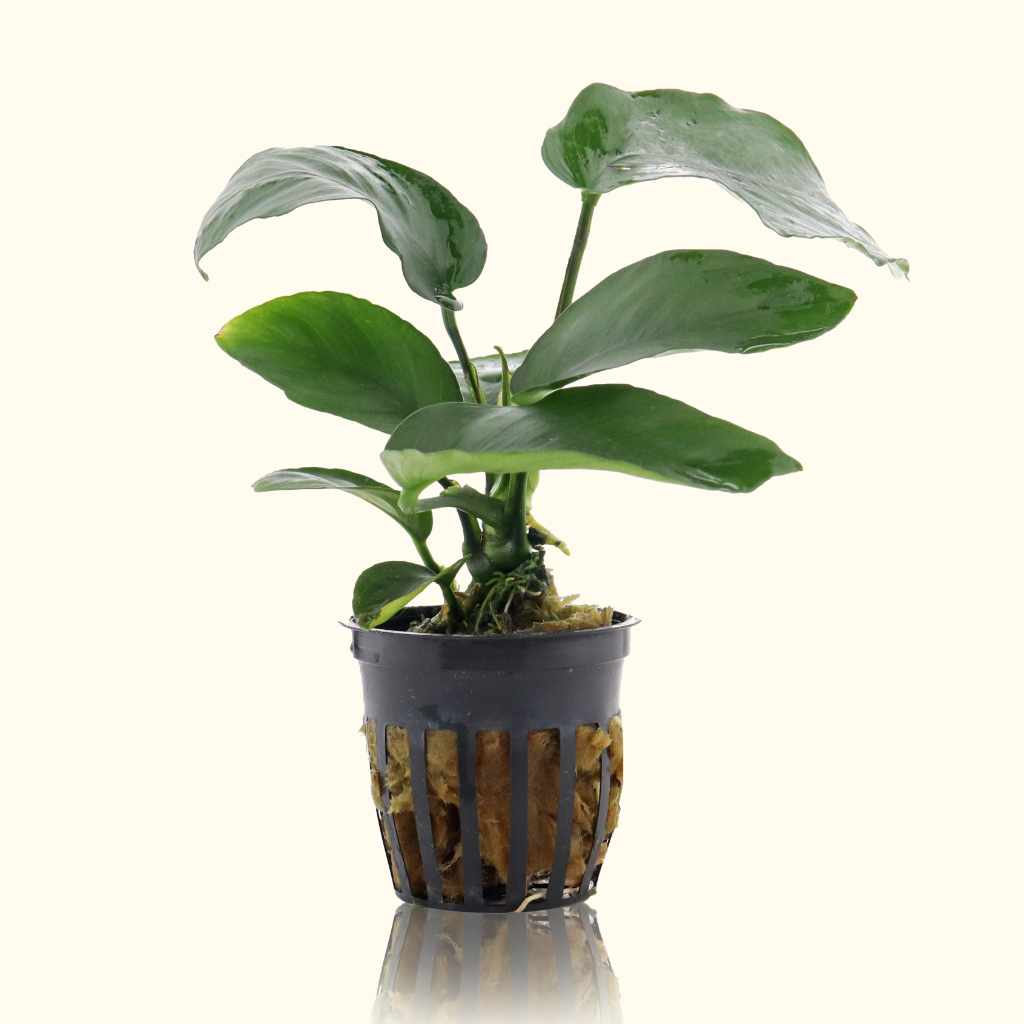
Anubias Nana is a popular aquatic plant for freshwater tanks. It is easy to care for and adds natural beauty. This plant is known for its hardy nature and unique look. It fits well in many aquarium styles.
Understanding its description helps in keeping it healthy and attractive. Below are details about its appearance and growth habits.
Appearance And Size
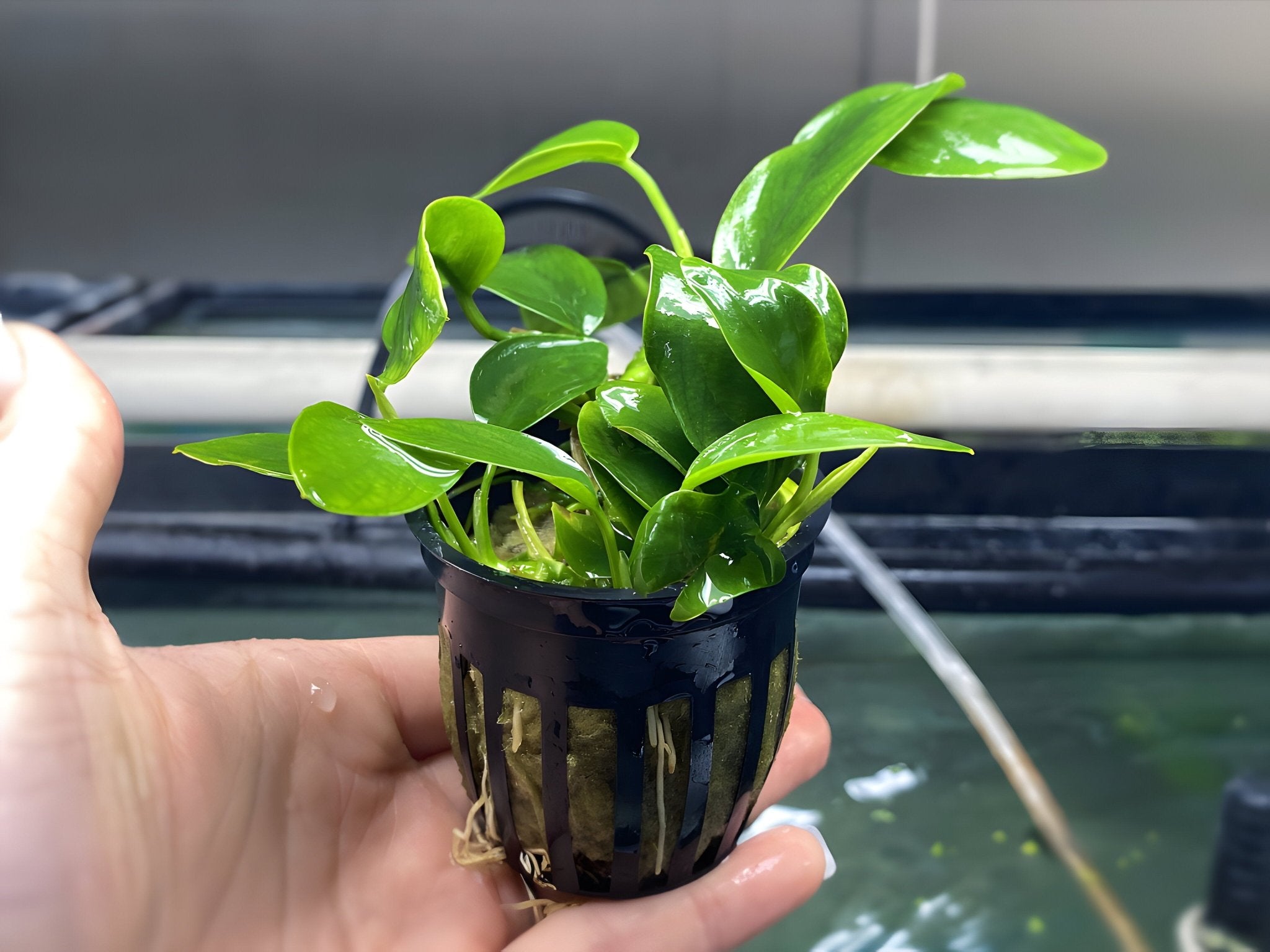
Anubias Nana has thick, dark green leaves. The leaves are oval and smooth, with a waxy surface. They grow from a short rhizome that stays close to the substrate. The plant usually reaches 4 to 6 inches in height. Its compact size suits small to medium tanks. The sturdy leaves resist damage from fish and water flow.
Growth Patterns
This plant grows slowly but steadily. It spreads horizontally by rhizomes rather than vertical shoots. Anubias Nana prefers low to moderate light for best growth. It can attach to rocks and driftwood easily. Leaves will cluster tightly as the plant matures. It rarely needs trimming, making it low maintenance.

Credit: www.aquariumcoop.com
Ideal Growing Conditions
Anubias Nana is a popular aquarium plant known for its hardiness. It thrives best in specific conditions. Proper care helps it grow healthy and strong. Understanding its ideal growing conditions ensures vibrant leaves and steady growth.
Water Parameters
Anubias Nana prefers clean, slightly acidic to neutral water. The ideal pH ranges between 6.0 and 7.5. Soft to moderately hard water suits this plant well. Regular water changes maintain good water quality. Avoid high nitrate and ammonia levels for better growth.
Lighting Requirements
This plant grows well under low to moderate light. Too much light can cause algae on leaves. Indirect or diffused light is perfect. About 6 to 8 hours of light daily is enough. Use LED or fluorescent lights for consistent brightness.
Temperature Range
Anubias Nana thrives in warm water. The best temperature range is 72°F to 82°F (22°C to 28°C). Avoid sudden temperature changes to prevent stress. Stable conditions promote healthy root development. Keep the aquarium heater steady for balanced warmth.
Planting And Propagation
Planting and propagation are key steps to enjoy a healthy Anubias Nana in your aquarium. This plant grows slowly but steadily, making proper care essential. Understanding how to plant and multiply it helps keep your tank green and lively.
Planting Techniques
Start by choosing a spot with low to medium light. Anubias Nana does well attached to rocks or driftwood. Avoid burying its rhizome in the substrate. Burying the rhizome can cause rot and kill the plant. Use fishing line or thread to tie it gently to surfaces. The roots will grow and hold the plant firmly over time. Clean water and stable temperature support growth. Regular water changes keep the environment healthy.
Propagation Methods
Propagation happens mainly through rhizome division. Cut the rhizome into sections, each with leaves and roots. Use a sharp, clean blade to avoid damage. Plant each section separately as before. New plants will grow from these pieces. Patience is important; new growth appears slowly. Propagation by leaf or stem cuttings does not work well. Focus on rhizome division for best results. This method multiplies your plants effectively without stress.
Care And Maintenance
Taking care of Anubias Nana is simple and rewarding. This plant thrives in many aquarium settings. Proper care helps it grow healthy and strong. Understanding its needs makes maintenance easy and enjoyable.
Trimming And Pruning
Trim dead or yellow leaves regularly. This keeps the plant looking fresh. Use clean scissors to avoid damage. Prune leaves that crowd the tank or block light. This helps water flow and improves growth. Be gentle to avoid harming roots and stems.
Nutrient Needs
Anubias Nana absorbs nutrients from water and substrate. Use a balanced aquarium fertilizer for best results. Avoid too much fertilizer to prevent algae growth. It grows well in low to medium light. Root tabs can help if planted in substrate. Keep water clean and stable for healthy growth.
Common Issues
Algae can cover leaves if light is too strong. Reduce light or clean leaves to control algae. Yellow leaves might mean nutrient deficiency. Check water quality and add fertilizer if needed. Avoid burying the rhizome, as it can rot. Watch for pests like snails that may harm the plant.
Aquarium Compatibility
Anubias Nana is a popular aquatic plant known for its hardiness and low maintenance. Its compatibility with various fish and tank setups makes it a favorite among aquarium hobbyists. Understanding how this plant interacts with other tank inhabitants helps create a balanced and healthy environment.
Suitable Tank Mates
Anubias Nana pairs well with peaceful fish species. Small tetras, guppies, and rasboras enjoy swimming around its broad leaves. Bottom dwellers like Corydoras catfish find shelter under the plant. Avoid placing it with large or aggressive fish that may damage the leaves. Shrimp and snails also benefit from the plant’s surface for grazing algae.
Tank Setup Tips
Plant Anubias Nana on rocks or driftwood rather than burying its rhizome. This prevents rot and keeps the plant healthy. Provide moderate lighting to avoid algae growth on leaves. Maintain water temperatures between 72-82°F for optimal growth. A gentle water flow helps distribute nutrients without damaging the plant. Regular trimming keeps the plant tidy and promotes new leaves.
Benefits For Aquascaping
Anubias Nana is a popular choice in aquascaping. It offers many benefits that enhance the look and health of aquariums. This plant is easy to care for and fits well in many tank styles. Its features make it perfect for both beginners and experienced aquascapers.
Aesthetic Appeal
Anubias Nana has small, thick, green leaves. These leaves add a fresh, natural look to tanks. Its compact size fits in tight spaces or foreground areas. The plant grows slowly, keeping its shape neat for a long time. It creates a lush, green contrast with colorful fish and rocks. Its dark green color brightens any aquascape. This plant can attach to wood or rocks, creating a natural underwater scene.
Environmental Advantages
Anubias Nana improves water quality by absorbing harmful nutrients. This helps reduce algae growth in the aquarium. It provides shelter and hiding spots for fish and shrimp. The plant oxygenates the water, supporting healthy aquatic life. Its tough leaves resist fish nibbling and damage. This durability means less maintenance and longer-lasting greenery. Anubias Nana also tolerates low light, saving electricity and making care easier. It supports a balanced and healthy aquarium environment naturally.
Troubleshooting Problems
Growing Anubias Nana can be very rewarding. Sometimes, problems appear that slow its growth or make it look unhealthy. Knowing how to fix common issues helps keep your plant green and strong. Here are two frequent problems and how to solve them.
Algae Growth
Algae often covers Anubias Nana leaves. It blocks light and harms the plant. Algae grows when light is too strong or lasts too long. Excess nutrients in the water also feed algae.
Reduce the light hours to 6-8 per day. Clean the tank regularly to remove algae. Adding snails or small fish that eat algae can help. Avoid overfeeding fish to keep nutrients low. This stops algae from spreading and protects your plant.
Leaf Discoloration
Leaves may turn yellow or brown. This signals poor health or wrong conditions. Yellow leaves often mean too much light or lack of nutrients. Brown or black spots show damage or decay.
Place your Anubias Nana in a shaded area with moderate light. Use a balanced fertilizer safe for aquarium plants. Remove damaged leaves to let new ones grow. Check water quality to keep your plant healthy and bright.
Credit: aquahuna.com
How Smart Pets Lover Can Help You with Anubias Nana
Learning from Anubias Nana: A Hands-On Approach to Aquascaping
Understanding Anubias Nana goes beyond just knowing its ideal growing conditions or how to propagate it. As pet parents and aquascaping enthusiasts, experimenting with this hardy plant offers practical lessons in aquarium compatibility and troubleshooting common issues. For instance, observing how Anubias Nana thrives in low light can teach valuable insights into balancing aquarium ecosystems without complicating care routines.
At Smart Pets Lover, we appreciate how these hands-on experiences build confidence and connection—not just with the plants, but with the entire aquatic environment. Whether you’re adjusting water parameters or mastering propagation, each step deepens your understanding of responsible aquarium care.
- Try different planting styles to see how Anubias Nana adapts.
- Monitor leaf health as an indicator of water quality.
- Document your growth progress to troubleshoot effectively.
For more detailed advice or to share your aquascaping journey, feel free to reach out to us. Remember, every leaf tells a story, and with a little patience, yours will flourish beautifully.
Frequently Asked Questions
What Is Anubias Nana And Its Origin?
Anubias Nana is a small, hardy aquatic plant native to West Africa. It is popular in aquariums for its durability and attractive green leaves.
How To Care For Anubias Nana In Aquariums?
Place Anubias Nana in low to moderate light. It thrives in stable water conditions and needs minimal fertilization. Avoid burying its rhizome in substrate.
Can Anubias Nana Grow Submerged Or Emersed?
Yes, Anubias Nana can grow fully submerged or emersed. It adapts well to both conditions, making it versatile for aquariums and paludariums.
How Fast Does Anubias Nana Grow?
Anubias Nana grows slowly, producing new leaves every few weeks. Its slow growth helps reduce maintenance and keeps aquascapes tidy.
Conclusion
Anubias Nana is a great plant for many aquariums. It grows slowly but stays healthy with little care. Its tough leaves add green beauty and shelter for fish. This plant fits well in small or large tanks. You can attach it to rocks or wood easily.
It does not need strong light or special fertilizers. Anyone can enjoy its charm without much work. Try adding Anubias Nana to your tank and see the difference. Simple, strong, and lovely. A perfect choice for beginners and experts alike.