Poisonous Plants To Fish
Are you curious about the hidden dangers lurking in your fish tank or nearby ponds? Poisonous plants to fish can silently harm or even kill your aquatic friends without you realizing it.
Knowing which plants to avoid is crucial if you want to keep your fish healthy and thriving. You’ll discover the most common toxic plants and learn how to protect your fish from their harmful effects. Keep reading to make sure your underwater world stays safe and vibrant!
Common Toxic Plants
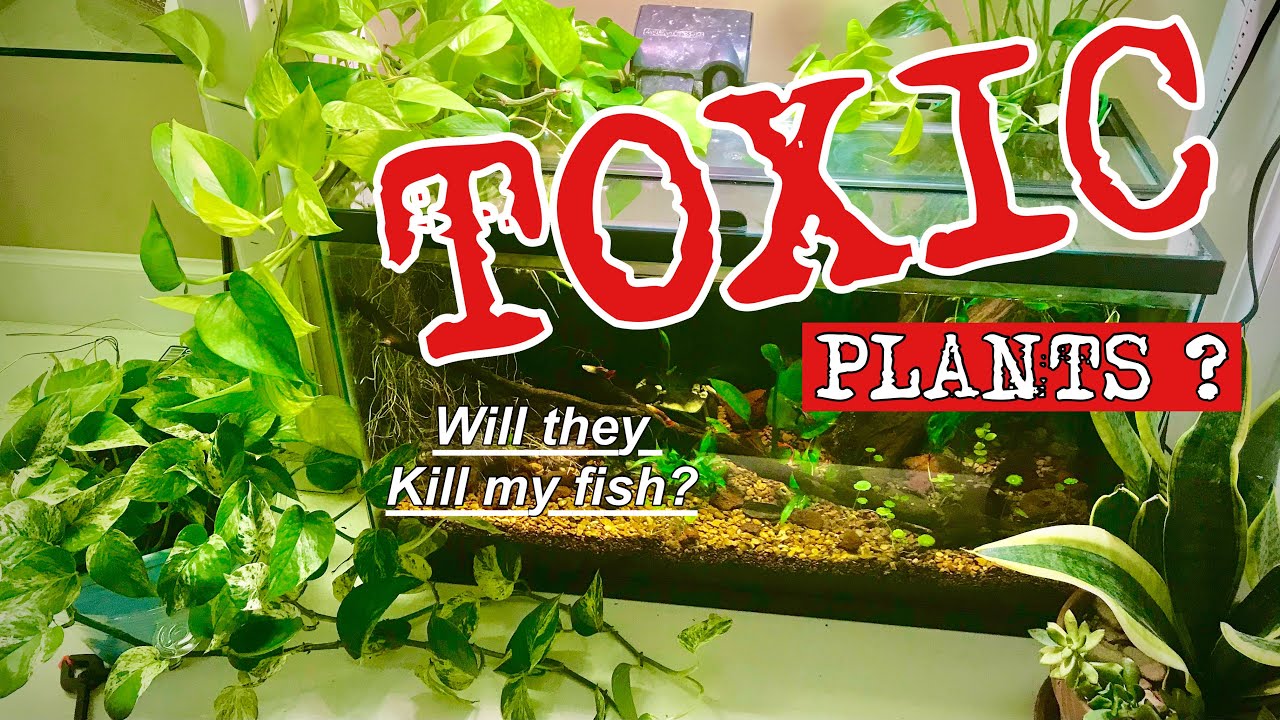
Many plants near water bodies can harm fish. These plants release toxins that poison fish and disrupt ecosystems. Knowing common toxic plants helps protect fish and aquatic life. Avoid planting or letting these plants grow near ponds, lakes, or rivers. Here are some of the most dangerous ones.
Water Hemlock
Water hemlock is one of the deadliest plants in wet areas. It contains cicutoxin, a strong poison that affects the nervous system. Even small amounts can kill fish quickly. Water hemlock grows near streams and marshes. Its roots and leaves are especially toxic.
Deadly Nightshade
Deadly nightshade, also known as belladonna, produces toxic alkaloids. These chemicals harm fish by damaging their organs. The plant has shiny leaves and purple flowers. It often grows near water edges. Fish exposed to it can die or suffer serious health problems.
Oleander
Oleander is popular as a garden shrub but highly toxic to fish. It contains cardiac glycosides that disrupt fish heart function. Oleander leaves and flowers release toxins into the water. Fish swimming near fallen oleander parts risk poisoning. Keep this plant away from fish habitats.
Castor Bean Plant
The castor bean plant produces ricin, a deadly poison. Ricin affects fish by blocking protein synthesis in cells. The plant grows in warm climates near water bodies. Even small contact with castor beans can harm fish. Remove castor bean plants from aquatic environments.
Credit: www.youtube.com
How Plants Harm Fish
Some plants produce chemicals that harm fish in water. These plants release toxic substances into the water. Fish living near these plants can get sick or even die. Understanding how plants harm fish helps protect aquatic life.
Toxic Compounds Released
Poisonous plants release chemicals like alkaloids and tannins. These compounds dissolve in water and spread quickly. Some plants emit cyanide or saponins, which are deadly to fish. These toxins interfere with fish survival in many ways.
Effects On Fish Physiology
Toxins affect fish breathing by damaging their gills. Fish may lose the ability to absorb oxygen properly. Some poisons disrupt fish nervous systems, causing confusion or paralysis. These effects weaken fish and reduce their chances to survive.
Signs Of Poisoning In Fish
Poisoned fish often show unusual swimming behavior. They may swim erratically or float near the water surface. Look for redness or damage on their gills and skin. Fish might stop eating and appear lethargic before dying.
Plants In Aquatic Environments
Aquatic environments host various plants that affect fish and water quality. Some plants are harmless or helpful, but others can be toxic. These poisonous plants can harm fish directly or disrupt their living conditions. Understanding which plants pose risks is key for protecting aquatic life.
Native Vs Invasive Toxic Plants
Native toxic plants have grown in local waters for many years. Fish and other creatures often adapt to their presence. Invasive toxic plants come from other regions. They can spread fast and upset the natural balance. Invasive species often produce chemicals that poison fish or reduce oxygen in water.
Plants Near Fish Habitats
Plants close to fish habitats affect fish health and behavior. Some plants release toxins into the water, harming fish gills and skin. Others block sunlight, reducing oxygen levels. Dense plant growth can trap waste, causing poor water quality. Fish may avoid areas with harmful plants, limiting their feeding and breeding zones.
Impact On Ecosystem Balance
Poisonous plants disrupt the food chain and water quality. Fish deaths reduce food for birds and larger predators. Toxic plants can kill beneficial insects and microorganisms. This imbalance lowers biodiversity and weakens the ecosystem. Healthy aquatic plants support clean water and diverse fish populations.
Preventing Fish Poisoning
Preventing fish poisoning is key to keeping your aquarium or pond healthy. Poisonous plants can harm fish quickly. Knowing how to stop this helps protect your fish and maintain a clean environment. Simple care steps make a big difference.
Monitoring Plant Growth
Check your plants often. Watch for fast or unusual growth. Some harmful plants grow quickly and can spread toxins. Remove any plants that look unhealthy or strange. Keep only safe plants in your water.
Water Quality Management
Test water regularly for chemicals and pH levels. Good water quality lowers stress on fish. Clean water reduces the chance of poison buildup. Use filters and change water often. Clear water helps fish stay strong and safe.
Removing Harmful Plants
Take out any plants known to be toxic. Use gloves to protect your skin. Dispose of these plants carefully to stop poison from spreading. Replace them with fish-friendly plants. Regular removal keeps your fish safe and healthy.
Treatment For Poisoned Fish
Fish exposed to poisonous plants need quick and careful treatment. Acting fast can save their lives. Understanding how to help poisoned fish is important for any aquarist or pond owner. The right steps reduce damage and improve recovery.
Immediate Response Steps
Remove the fish from the contaminated water quickly. Place them in clean, fresh water with oxygen. This stops more poison from entering their bodies. Monitor their breathing and behavior closely. Use a net gently to avoid stress. Remove any plant debris from the tank or pond. Test the water for toxins if possible. Changing 50% of the water can reduce poison levels fast.
Medical Interventions
Use activated charcoal to absorb toxins in the water. Add it carefully according to instructions. Medications like antibiotics may be needed if infection occurs. Consult a vet for proper diagnosis and treatment. Vitamins and electrolytes can help the fish’s strength. Avoid using chemicals that could harm the fish further. Monitor fish daily for signs of improvement or worsening.
Long-term Care
Keep the fish in clean, well-oxygenated water. Maintain stable temperature and pH levels. Feed a nutritious diet to support healing. Avoid stress by limiting handling and noise. Observe fish for weeks after poisoning. Remove any plants that caused the problem. Regular water testing prevents future poison incidents. Patience is key; some fish recover slowly but fully.
Credit: www.gardengatemagazine.com
Credit: www.youtube.com
How Smart Pets Lover Can Help You with Poisonous Plants To Fish
Learning from Poisonous Plants to Protect Your Fish
Understanding how toxic plants affect aquatic environments can feel overwhelming, but it’s a vital step toward responsible fish care. Reflecting on how plants harm fish and recognizing common toxic plants in and around your aquarium helps you create a safer habitat. This knowledge empowers you to prevent fish poisoning before it happens.
As pet lovers who cherish every wag, purr, and chirp, we know the joy of watching our aquatic friends thrive. Observing your fish daily and spotting any unusual behavior early can make all the difference in effective treatment for poisoned fish. It’s about tuning in to their world with care and confidence.
- Research plant species before introducing new greenery
- Maintain clean water conditions to reduce plant toxins’ effects
- Consult with aquatic specialists or trusted pet care resources when unsure
For further guidance or if you suspect fish poisoning, reaching out to local aquatic vets or trusted organizations like Smart Pets Lover can provide supportive advice tailored to your fish’s needs. Remember, every small step you take deepens your connection and commitment as a caring pet parent.
Frequently Asked Questions
What Are Common Poisonous Plants Harmful To Fish?
Common poisonous plants harmful to fish include water hemlock, oleander, and foxglove. These plants release toxins that contaminate water, affecting fish health and survival.
How Do Poisonous Plants Affect Fish In Aquariums?
Poisonous plants release toxins into aquarium water, disrupting fish respiration and causing illness or death. Proper plant selection is vital to avoid toxicity.
Can Aquatic Poisonous Plants Be Safely Removed From Fish Habitats?
Yes, removing toxic plants from fish habitats prevents poisoning. Regular habitat checks and prompt removal protect fish and maintain a safe environment.
Are All Aquatic Plants Safe For Fish To Live With?
No, not all aquatic plants are safe. Some contain harmful toxins that can poison fish if ingested or leach into water.
Conclusion
Poisonous plants can harm your fish quickly and quietly. Knowing which plants to avoid keeps your aquarium safe. Always check new plants before adding them to your tank. Healthy fish need a clean, toxin-free environment. Careful choices protect your fish and create a peaceful home.
Stay aware and act fast if you spot problems. Your fish depend on you for a safe space. Keep learning about plants and fish care every day.