Panther Crab
If you’re fascinated by unique pets that bring a splash of color and character to your aquarium, the Panther Crab might just be what you’re looking for. This striking little creature isn’t just beautiful—it’s full of surprises that can make your tank more lively and interesting.
Want to learn how to care for your Panther Crab and keep it happy? Keep reading, because understanding this amazing crab will help you create the perfect home for it—and make your aquarium stand out like never before.
Panther Crab Basics
The Panther Crab is a small, colorful crab that many aquarium lovers enjoy. It has unique looks and interesting habits. Understanding its basics helps in caring for it well. This section covers its physical features, natural habitat, and behavior traits.
Physical Features
The Panther Crab has a round body with bright colors. Its shell shows black, white, and orange patterns. It has long, thin legs with spots. The claws are strong but small compared to its body. These crabs grow up to 2 inches wide. Their colors help them hide from predators. The patterns on each crab are different.
Natural Habitat
Panther Crabs live in freshwater rivers and streams. They prefer places with clean, flowing water. These crabs hide under rocks and plants. They like areas with soft sand or gravel. The water temperature is usually warm. They come from Southeast Asia, mainly Thailand and Malaysia. Their natural homes have many hiding spots.
Behavior Traits
Panther Crabs are mostly shy and active at night. They spend much time hiding during the day. These crabs are peaceful and avoid fights. They like to explore their surroundings slowly. They use their claws to find food and climb. Panther Crabs are good at cleaning leftover food. They can live with other small, calm fish and crabs.
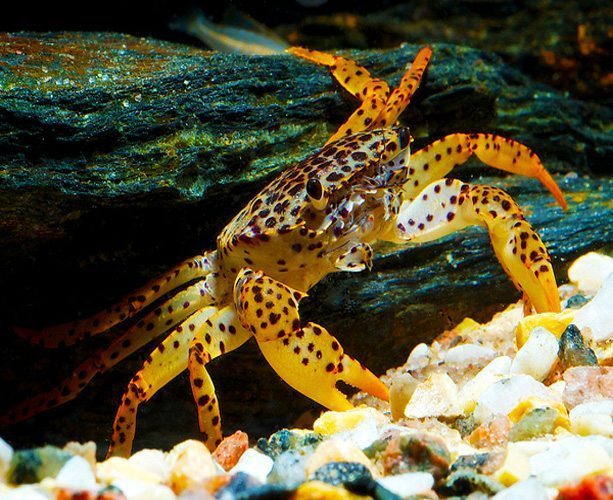
Credit: azgardens.com
Tank Setup
Setting up the tank for your Panther Crab is important for its health and happiness. A good environment helps the crab feel safe and active. You need to create a space that looks natural and meets its needs.
Each part of the tank, from the water to the decorations, plays a role. Small changes can make a big difference in how your crab lives. Let’s explore the key points of a perfect Panther Crab tank setup.
Ideal Aquarium Conditions
The aquarium should be at least 10 gallons for one Panther Crab. More space is better for multiple crabs. The tank needs a secure lid to stop the crab from escaping. It should have hiding spots and open areas for roaming. Good water flow is important but avoid strong currents. A gentle filter works best.
Substrate And Decorations
Use fine sand or smooth gravel as the substrate. It helps the crab dig and move easily. Add rocks, driftwood, and plants for hiding and climbing. These decorations also make the tank look natural. Avoid sharp or rough objects that can hurt the crab. Live plants improve water quality and provide shelter.
Water Parameters
Maintain water temperature between 72°F and 82°F. Keep the pH level from 6.5 to 7.5 for best health. The water should be clean, with regular changes of 20% weekly. Avoid using chlorinated tap water without treatment. Use a water conditioner to remove harmful chemicals. Monitor ammonia and nitrate levels to keep them low.
Diet And Feeding
Panther crabs have a simple diet that keeps them healthy and active. Knowing what they eat helps you care for them better. Feeding them right supports their bright colors and strong shells.
These crabs eat a mix of foods. They are scavengers, so they enjoy various items. Offering a balanced diet is key to their well-being.
Preferred Foods
Panther crabs like fresh vegetables such as spinach and zucchini. They also eat small pieces of fish or shrimp. Algae wafers and sinking pellets work well too. These foods meet their nutritional needs.
Feeding Schedule
Feed your panther crab once a day. Offer food in the evening when they are most active. Remove leftover food after a few hours. This keeps the tank clean and safe.
Supplements And Treats
Occasional treats like bloodworms or brine shrimp are good. Calcium supplements help maintain their shell health. Use supplements sparingly to avoid overfeeding. Treats add variety and encourage natural behavior.

Credit: aquariumbreeder.com
Compatibility
The Panther Crab is a unique and colorful addition to freshwater tanks. Understanding its compatibility with other tank inhabitants helps create a peaceful environment. These crabs have specific needs and behaviors that affect their tank mates.
Tank Mates
Panther Crabs do well with small, peaceful fish. Fish like tetras and rasboras are good choices. Avoid large or aggressive fish that may harm the crabs. Snails and shrimp can also live with Panther Crabs. They usually do not bother these slow-moving creatures.
Avoiding Aggression
Panther Crabs can be territorial. They may fight if the tank is too small. Provide plenty of hiding spots to reduce stress. Use rocks, plants, and decorations to create safe spaces. Avoid overcrowding the tank to limit conflict. Feeding the crabs well also helps keep them calm.
Community Tank Tips
Keep the tank clean and well-maintained for all inhabitants. Monitor the crabs and fish regularly for signs of stress. Separate any aggressive or injured animals quickly. Use a tank size of at least 20 gallons for a balanced community. Offer a varied diet to keep the Panther Crab healthy and happy.
Health And Care
The Panther Crab needs proper care to stay healthy and active. Good water quality, balanced diet, and a clean tank are important. Regular checks help catch health issues early. Observing your crab closely shows signs of well-being or problems.
Understanding the crab’s health needs helps prevent common diseases. Knowing the molting process prepares you for natural changes. Recognizing stress signs allows quick actions to keep your crab safe.
Common Diseases
Panther Crabs can get bacterial and fungal infections. Poor water quality often causes these diseases. White spots on the shell or legs may appear. Loss of appetite and slow movement are warning signs. Treat infections with proper medication and clean water. Quarantine sick crabs to stop disease spread.
Molting Process
Molting is when the crab sheds its old shell. It happens regularly for growth. The crab becomes weak and hides during this time. Avoid disturbing or feeding the crab while molting. Provide calcium-rich foods to support shell regrowth. A safe environment speeds up recovery after molting.
Signs Of Stress
Stress affects the crab’s health and behavior. Rapid movements and hiding often show stress. Loss of appetite and color fading are common signs. Loud noises and sudden changes cause stress. Keep the tank stable and quiet to reduce stress. A healthy crab is active and bright-colored.
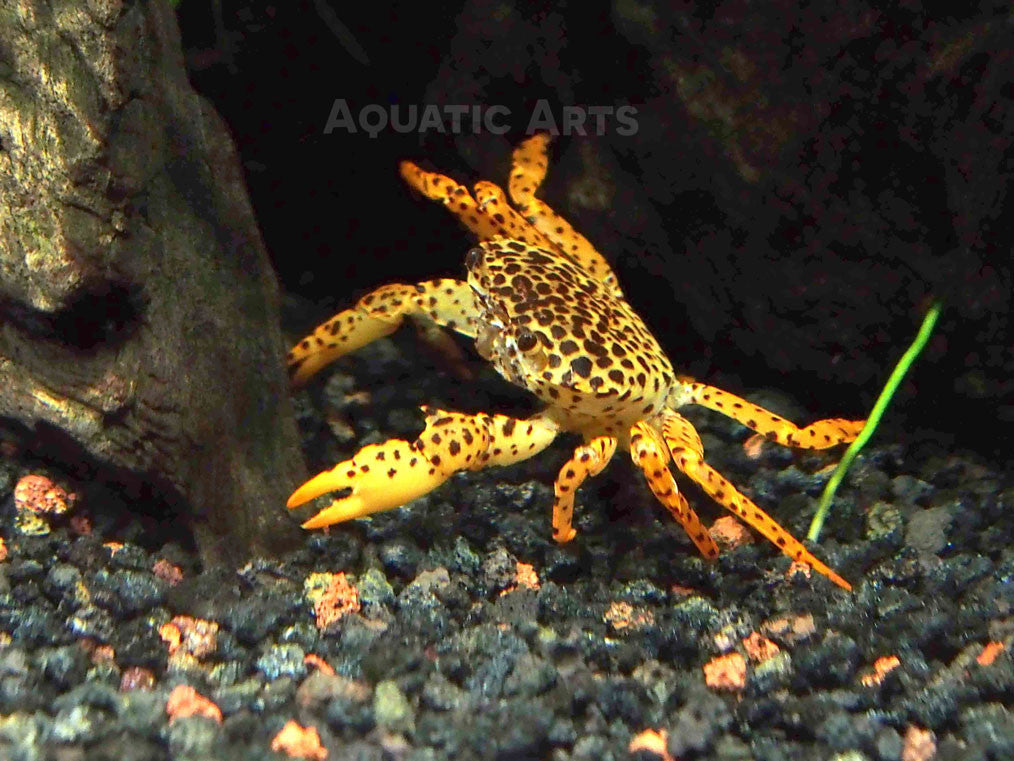
Credit: aquaticarts.com
Breeding Panther Crabs
Breeding Panther Crabs can be a rewarding experience for aquarium hobbyists. These crabs have unique habits that make their breeding interesting. Understanding their behavior helps improve success rates.
Patience and careful observation play key roles during the breeding process. Providing the right environment and care increases the chances of healthy offspring.
Mating Behavior
Panther Crabs usually mate during the night. The male approaches the female gently and uses claws to hold her. They often show a courtship dance before mating. This dance includes waving claws and moving sideways slowly. After mating, the female carries eggs under her abdomen.
Egg Care
The female guards her eggs closely. She keeps them clean by fanning water over them. This action provides oxygen and prevents fungus. The eggs change color as they develop. It is important to avoid disturbing the female during this period. Stress can cause her to drop the eggs.
Raising Juveniles
Once hatched, juveniles are tiny and need gentle care. They stay hidden for several days. Provide small hiding places and fine food like crushed flakes or baby brine shrimp. Maintain clean water and stable temperature. Juveniles grow quickly with proper feeding and environment.
How Smart Pets Lover Can Help You with Panther Crab
Practical Learning Opportunities with Panther Crabs
Caring for a Panther Crab offers more than just a fascinating pet experience—it’s a chance to deepen your understanding of aquatic ecosystems and responsible pet ownership. Observing their diet and feeding habits, for example, teaches patience and the importance of balanced nutrition, reinforcing what you’ve learned about their specific dietary needs. Setting up and maintaining the perfect tank environment not only supports the crab’s health but also provides hands-on lessons in water chemistry and habitat design.
As part of the Smart Pets Lover community, many pet parents find joy in connecting these practical care routines with broader insights about animal behavior and compatibility. This approach nurtures a genuine bond with your Panther Crab, making every moment feel meaningful. If you ever have questions about health concerns or breeding, reaching out to experienced pet care forums or trusted local experts can be invaluable resources. After all, every pet journey is a story worth sharing and learning from.
Frequently Asked Questions
What Is A Panther Crab?
A Panther Crab is a colorful freshwater crab native to Southeast Asia. It is popular in aquariums due to its striking orange and black patterns. These crabs are peaceful and help keep tanks clean by eating algae and detritus.
How Big Do Panther Crabs Grow?
Panther Crabs typically grow to about 2 inches (5 cm) in width. Their size makes them suitable for most community aquariums. Proper care and diet help them reach their full size.
What Do Panther Crabs Eat?
Panther Crabs are omnivores and eat algae, plant matter, and small aquatic animals. In captivity, they thrive on sinking pellets, vegetables, and occasional protein treats. A balanced diet ensures their health and vibrant color.
Are Panther Crabs Good For Community Tanks?
Yes, Panther Crabs are peaceful and compatible with many fish species. They prefer hiding spots and gentle tank mates. Avoid aggressive or large fish that may harm them.
Conclusion
Panther crabs bring color and life to any aquarium. They are active and easy to care for. Watching their unique patterns is truly enjoyable. These crabs help keep the tank clean by eating leftovers. They do best with peaceful tank mates.
Remember to provide hiding spots for comfort. A healthy tank means a happy panther crab. Adding one can brighten your underwater world. Give your crab the right care and watch it thrive. Simple steps lead to a beautiful, lively tank.