Fresh Water Crabs
Have you ever wondered what makes fresh water crabs so fascinating? These little creatures live in rivers, lakes, and streams, hidden just beneath the surface.
If you think crabs only belong to the ocean, you’re about to discover a whole new world right in your backyard. Whether you’re curious about their unique behaviors, how they survive in fresh water, or why they matter to the environment, this article will give you clear answers.
Keep reading, and you’ll see fresh water crabs in a way you’ve never imagined before.
Fresh Water Crab Species
Fresh water crabs live in rivers, lakes, and streams. They are different from saltwater crabs that live in oceans. These crabs adapt well to fresh water and have many unique features. Understanding the types of fresh water crabs helps us appreciate their diversity and roles in nature.
Many species of fresh water crabs exist worldwide. They vary in size, color, and behavior. Some are common and easy to spot. Others are rare and live in special places. Each species has traits that help it survive in fresh water habitats.
Common Types
One common type is the Potamon crab. It lives in streams and rivers across Asia and Europe. Another well-known species is the Parathelphusa crab found in Southeast Asia. These crabs often hide under rocks or plants near water.
There is also the Gecarcinucidae family, common in South Asia. These crabs are small but active. Many fresh water crabs are good at climbing and burrowing. Their shells protect them from predators and rough environments.
Unique Characteristics
Fresh water crabs breathe using gills, but they can also absorb oxygen through their skin. This helps them survive in water with low oxygen. Some species have strong claws to catch food and defend themselves.
Their colors range from brown to bright green. This helps them blend into their surroundings. Fresh water crabs are mostly nocturnal, coming out at night. They eat plants, insects, and small animals.
Many species can live in both water and on land. This ability allows them to move between habitats easily. Their life cycle includes eggs that hatch into small crabs, not larvae like ocean crabs. This is a key difference in their development.
Habitats And Distribution
Fresh water crabs live in many water places. They need clean water and safe spots to hide. Their homes help them find food and protect from danger. Knowing where they live shows how they survive and grow.
Their homes are not the same everywhere. Some crabs like fast rivers. Others choose quiet lakes. Their range covers many parts of the world. Each place offers different needs for fresh water crabs.
River Ecosystems
Fresh water crabs thrive in rivers with clear, moving water. They hide under rocks and plants. Rivers give them food like small fish and plants. Crabs use river currents to travel and find mates. Fast water means more oxygen, which crabs need to live.
Lakes And Ponds
Lakes and ponds offer calm water for fresh water crabs. They stay near the shore where plants grow. These areas provide shelter and food. Muddy bottoms help crabs dig burrows. Quiet water keeps them safe from strong currents.
Geographical Range
Fresh water crabs live in many parts of the world. They are found in Asia, Africa, and some parts of Europe. Different species adapt to local water conditions. Some live in warm climates, others in cooler zones. Their wide range shows their strong survival skills.
Physical Features
Fresh water crabs have unique physical features. Their bodies help them live in water and on land. These features protect them and help them find food. Understanding their body parts shows how they survive in different environments.
Shell Structure
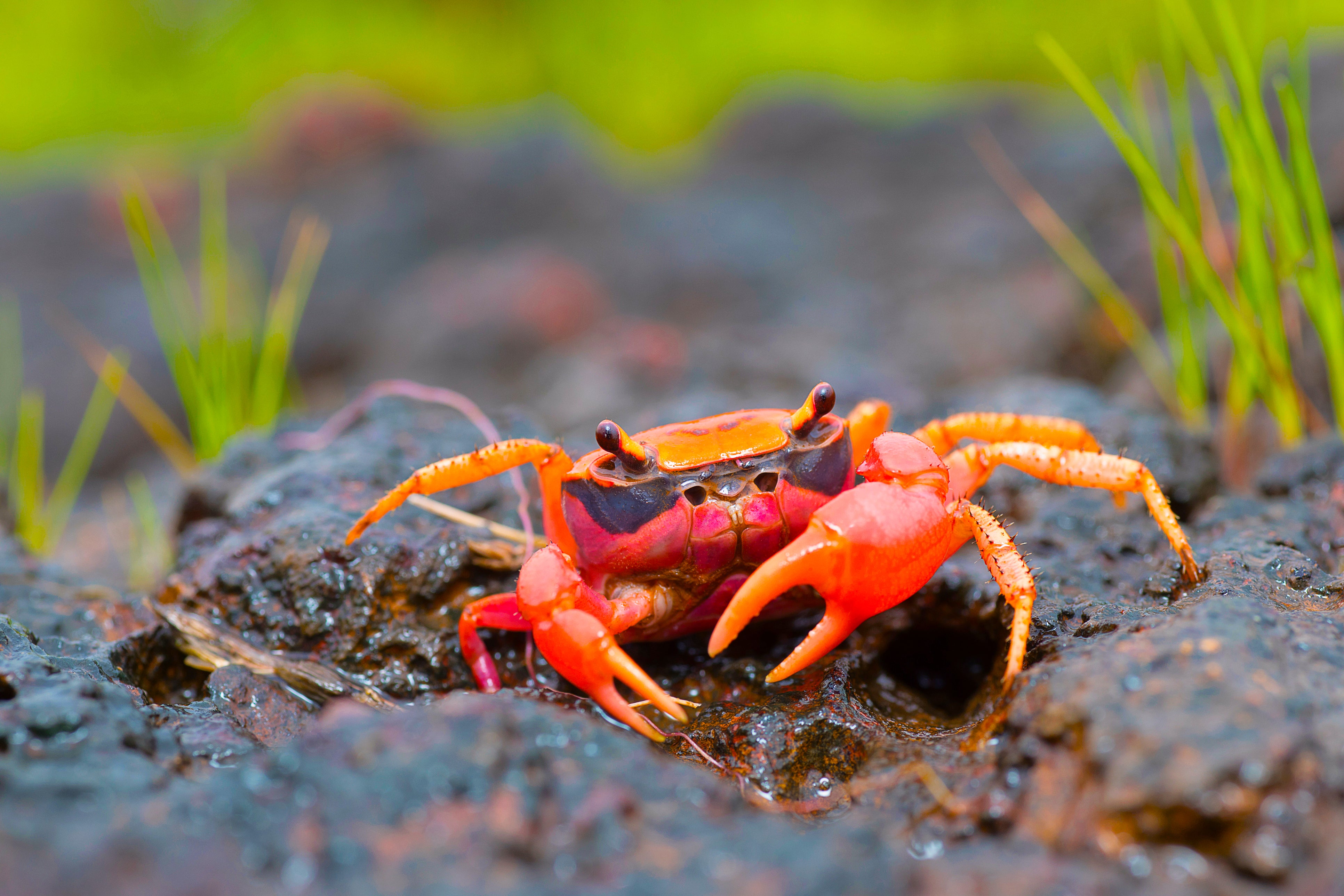
The shell of a fresh water crab is hard and strong. It protects the crab from predators and injury. The shell covers the crab’s back and sides. It also helps keep the crab’s body moist. This is important because crabs need water to breathe.
The shell color varies from brown to green. This helps crabs blend into plants and mud. The shell grows as the crab grows. Crabs shed their old shell and form a new one. This process is called molting.
Claw Adaptations
Fresh water crabs have two claws of different sizes. The larger claw is used for defense and fighting. The smaller claw helps with eating and holding food. Claws are strong and sharp to catch prey.
Claws also help crabs dig in mud or sand. This is useful for making homes or finding food. The claws have tiny hairs that sense the environment. This helps crabs detect danger and food nearby.
Credit: reefnutrition.com
Diet And Feeding
Fresh water crabs have a varied diet that helps them survive in different environments. Their feeding habits play a key role in keeping freshwater ecosystems balanced. Understanding what they eat and how they eat gives insight into their lifestyle and behavior.
Typical Food Sources
Fresh water crabs eat plants, small animals, and organic matter. They feed on algae, dead leaves, and tiny fish. Insects and worms also form part of their diet. This mix of foods provides the nutrients they need to grow and stay active.
Some crabs are scavengers. They clean up dead plants and animals from the water. This helps keep their habitat clean and healthy. Their diet may change with the seasons and availability of food.
Feeding Behavior
Fresh water crabs use their claws to catch and eat food. They are mostly active at night. Their strong claws help them break shells and tough plants. Crabs often hide while feeding to avoid predators.
They show patience and skill when hunting small prey. Crabs also use their sense of smell to find food. This behavior helps them survive in fast-moving streams and quiet ponds alike.
Reproduction And Lifecycle
Freshwater crabs have a unique way of reproducing and growing. Their lifecycle includes different stages that help them survive in rivers and lakes. Understanding these stages shows how they adapt and thrive.
Their reproduction starts with special behaviors and ends with young crabs growing into adults. Each phase is important for their survival and the balance of their habitat.
Mating Habits
Male freshwater crabs find females by scent and touch. They often fight other males to win a mate. After choosing, the male holds the female gently. Mating happens at night or in hiding places to avoid predators. This careful process helps increase the chance of fertilization.
Egg Development
Female crabs carry eggs under their belly. The eggs stick to special hairs until they hatch. This protects the eggs from water currents and predators. Egg development takes several weeks. The mother crab moves slowly to keep the eggs safe and clean.
Growth Stages
After hatching, young crabs look like tiny adults. They live near the shore and hide from predators. Young crabs molt their shells many times as they grow. Each molt allows the crab to get bigger and stronger. This growth continues until they reach full size.

Credit: en.wikipedia.org
Role In Ecosystem
Fresh water crabs play an important role in their ecosystem. They help keep the environment balanced and healthy. These crabs interact with many plants and animals. Their presence affects many parts of the ecosystem. Understanding their role shows why they matter.
Food Chain Position
Fresh water crabs are both predators and prey. They eat small plants, algae, and tiny animals. This helps control the population of these species. At the same time, many animals eat fresh water crabs. Fish, birds, and larger animals rely on them for food. This makes crabs a key link in the food chain.
Environmental Impact
Fresh water crabs clean their habitat by eating dead plants and animals. This prevents waste build-up in water bodies. They also help recycle nutrients back into the soil and water. Their digging activity improves water flow and oxygen levels. This supports other aquatic life and keeps the ecosystem healthy.
Threats And Conservation
Fresh water crabs face many dangers that threaten their survival. These small creatures play a key role in their ecosystems. Protecting them helps keep water habitats healthy. Understanding the threats they face is the first step toward conservation.
Habitat Loss
Many fresh water crabs lose their homes due to human activity. Rivers and streams get drained or changed for farming and building. These changes make it hard for crabs to find shelter and food. Without safe places to live, crab populations drop quickly.
Pollution Effects
Water pollution harms fresh water crabs deeply. Chemicals from factories and farms enter rivers and lakes. These toxins can poison crabs or disrupt their growth. Pollution also reduces oxygen levels, making water unsafe for crabs. Clean water is vital for their survival.
Protection Efforts
Many groups work to protect fresh water crabs and their habitats. They create protected areas where crabs can live safely. Some projects focus on cleaning polluted waters. Raising awareness helps communities take care of fresh water environments. Every small effort counts for crab conservation.
Fresh Water Crabs And Humans
Fresh water crabs have a special place in human life. These crabs live in rivers, lakes, and streams. People from many cultures have known and used them for centuries. They affect culture and economy in many regions. Understanding their role helps us appreciate their importance more.
Cultural Significance
Fresh water crabs often appear in stories and traditions. Some communities see them as symbols of strength and resilience. They are part of local festivals and rituals. In some places, crab fishing is a family activity passed down. This keeps traditions alive and connects generations.
Economic Value
Fresh water crabs provide income for many people. Fishermen catch them to sell in markets. They are a popular food source in some countries. Restaurants serve fresh water crab dishes to attract customers. This creates jobs and supports local economies. Protecting crab habitats is important for sustaining this income.

Credit: en.wikipedia.org
How Smart Pets Lover Can Help You with Fresh Water Crabs
Discovering Fresh Water Crabs: A Hands-On Learning Journey
Exploring fresh water crabs up close offers a unique chance to connect with nature’s smaller wonders. Observing their physical features and behaviors, like how they forage for food or interact during their reproductive lifecycle, can deepen appreciation for these fascinating creatures. This practical learning not only enriches understanding of their role in ecosystems but also highlights the importance of conservation efforts to protect their habitats.
For those curious about caring for freshwater crabs or simply eager to learn more, it’s helpful to keep in mind their specific diet and habitat needs, ensuring any interaction respects their natural lifestyle. As a community passionate about pets and wildlife alike, Smart Pets Lover encourages thoughtful observation and responsible engagement—because every creature has a story worth knowing.
- Take notes on crab behavior during feeding times
- Research local water bodies to understand habitat conditions
- Connect with local wildlife organizations for guided learning experiences
If you have questions or want to share your crab encounters, reaching out to wildlife experts or conservation groups can offer valuable insights. By embracing this hands-on approach, you’re not just learning—you’re becoming a steward of the natural world, one claw at a time.
Frequently Asked Questions
What Are Fresh Water Crabs?
Fresh water crabs are crabs that live in rivers, lakes, and streams. They differ from marine crabs by adapting to less salty environments. These crabs play key roles in their ecosystems by cleaning detritus and serving as food for other animals.
Where Do Fresh Water Crabs Commonly Live?
Fresh water crabs are found in freshwater habitats worldwide, especially in tropical and subtropical regions. They prefer slow-moving waters with plenty of hiding spots like rocks and plants. These habitats provide food and protection from predators.
How Do Fresh Water Crabs Breathe Underwater?
Fresh water crabs use gills to extract oxygen from water. Their gills are adapted to survive in lower oxygen levels typical of fresh water. Some species can also breathe air by keeping moisture on their gills.
What Do Fresh Water Crabs Eat?
Fresh water crabs are omnivores. They feed on algae, plants, small fish, insects, and decaying organic matter. This varied diet helps maintain the ecological balance in their freshwater environments.
Conclusion
Fresh water crabs play an important role in water ecosystems. They help keep the environment clean by eating dead plants and animals. These crabs also serve as food for many other creatures. Watching their behavior can be interesting and fun.
Taking care of their habitats helps protect them and other wildlife. Understanding fresh water crabs can increase our respect for nature. Small creatures like these matter a lot in nature’s balance. Remember, every part of nature has a purpose and value.