Ghost Shrimp
Are you curious about adding a unique and fascinating creature to your aquarium? Ghost shrimp might be exactly what you need.
These tiny, transparent shrimp bring life and movement to your tank while helping keep it clean. Imagine watching them glide silently, almost invisible, creating a peaceful underwater scene right in your home. You’ll discover everything you need to know about ghost shrimp—from their care and behavior to why they make such amazing tank mates.
Keep reading, and you’ll learn how to make your aquarium a vibrant, healthy world where ghost shrimp can thrive.
Ghost Shrimp Basics
Ghost shrimp are small, transparent creatures popular in freshwater aquariums. They offer a unique glimpse into aquatic life due to their see-through bodies. These shrimp are peaceful, easy to care for, and fascinating to watch. Understanding their basics helps keep them healthy and happy in your tank.
Physical Features
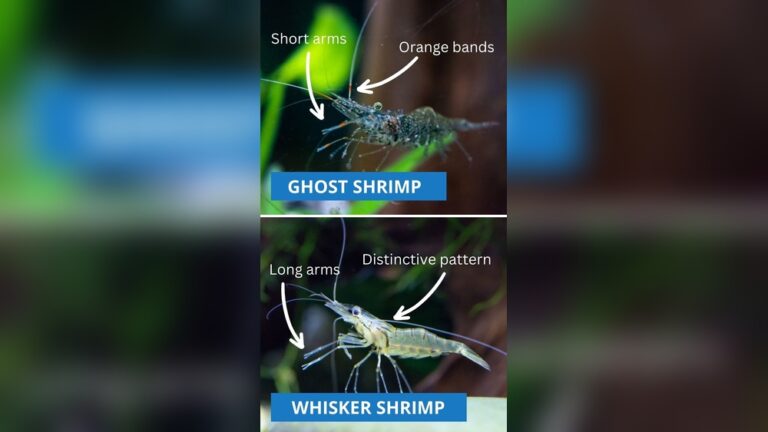
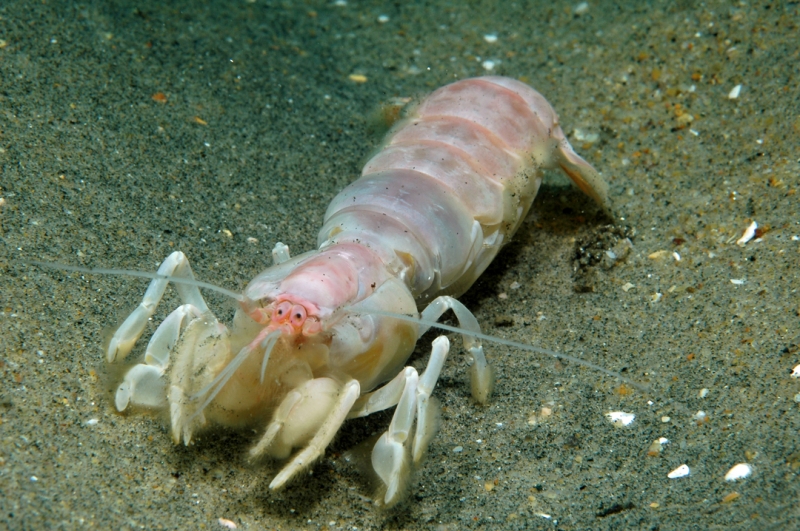
Ghost shrimp have clear bodies that show their inner organs. Their transparency helps them hide from predators in the wild. They have long antennae used for sensing their surroundings. Their legs are thin and delicate, perfect for scavenging food. Most grow up to 1.5 inches in length.
Natural Habitat
These shrimp live in freshwater rivers, lakes, and streams. They prefer slow-moving or still waters with plenty of plants. Muddy or sandy bottoms provide good places to hide. They thrive in temperatures between 65 and 80 degrees Fahrenheit. Clean water with low pollution is essential for their survival.
Lifespan And Growth
Ghost shrimp usually live about one to two years. They grow quickly, reaching full size in a few months. Young shrimp molt often to allow their bodies to grow. Proper food and water conditions improve their lifespan. Overcrowding and poor water quality can shorten their life.
Behavior And Diet
Ghost shrimp are small, transparent creatures that live in freshwater. Their behavior and diet are simple but interesting. Understanding these aspects helps in caring for them well.
Feeding Habits
Ghost shrimp eat algae, tiny plants, and leftover food. They clean tanks by eating waste and debris. They use their small claws to pick food from surfaces. They do not need special food. Regular fish flakes or pellets work fine.
Social Behavior
Ghost shrimp like to live in groups. They feel safer and more active with friends. They do not fight much but keep some distance. They communicate by moving their antennae and legs. They are peaceful and rarely disturb other tank mates.
Activity Patterns
Ghost shrimp are mostly active during the day. They spend time exploring and searching for food. At night, they rest quietly in hiding spots. They like to swim near the bottom of the tank. Their movements are slow and gentle, making them calm pets.
Setting Up An Aquarium
Setting up an aquarium for ghost shrimp is simple and rewarding. These small creatures thrive in clean, stable environments. Preparing the right tank and conditions helps them stay healthy and active.
Focus on creating a natural habitat that suits their needs. The right setup encourages natural behavior and growth.
Tank Size And Environment
A 5-gallon tank is enough for a small group of ghost shrimp. Bigger tanks offer more space and stability. Use a tank with a secure lid to prevent escapes. Gentle water flow suits ghost shrimp best. Avoid strong currents that stress them out.
Water Parameters
Keep water temperature between 68°F and 78°F (20°C to 26°C). Maintain pH levels from 6.5 to 8.0 for comfort. Hardness should be moderate, around 3-15 dGH. Perform regular water changes to keep water clean. Avoid sudden changes in water conditions.
Suitable Plants And Decorations
Live plants like Java moss and Anubias provide shelter and food. Driftwood and smooth rocks create hiding spots. Avoid sharp decorations that can harm shrimp. Plants help maintain water quality by absorbing waste. Create plenty of hiding places to reduce stress.
Care And Maintenance
Ghost shrimp are easy to care for and maintain in home aquariums. They need a clean environment and proper food to stay healthy. These small creatures help keep tanks clean by eating leftover food and algae. Understanding their care needs improves their lifespan and activity.
Feeding Tips
Ghost shrimp eat algae, plant matter, and small bits of fish food. Feed them sinking pellets or flakes designed for shrimp. Offer small amounts once a day to avoid overfeeding. Remove uneaten food after a few hours to keep water clean. They also enjoy blanched vegetables like spinach or zucchini.
Cleaning And Water Changes
Regular cleaning keeps ghost shrimp healthy and active. Change 20% of the water weekly to maintain water quality. Use a gravel vacuum to remove waste and uneaten food from the tank bottom. Avoid strong water currents; ghost shrimp prefer calm water. Test water parameters often to ensure safe levels of ammonia and nitrites.
Health And Disease Prevention
Healthy ghost shrimp have clear shells and move actively. Watch for signs of stress like lethargy or discoloration. Quarantine new shrimp before adding them to the main tank. Keep the tank free from harmful chemicals and sudden temperature changes. A stable environment reduces disease risk and supports shrimp growth.
Breeding Ghost Shrimp
Breeding ghost shrimp can be a rewarding experience for aquarium enthusiasts. These small creatures reproduce naturally in a well-maintained tank. Understanding their breeding process helps ensure success and healthy offspring.
Ghost shrimp are peaceful and easy to care for. They breed quietly, so watch closely for signs of eggs. Creating the right conditions is key to encouraging breeding.
Breeding Conditions
Ghost shrimp need clean water with stable temperature. Keep the tank temperature between 72 and 78°F. Maintain a pH level near 7.0 for best results. Provide plenty of hiding places with plants and decorations. Avoid strong water currents that may stress shrimp. Feed them a balanced diet to keep them healthy.
Egg Development
Female ghost shrimp carry eggs under their tail. The eggs are small, greenish, and round. They take about two to three weeks to hatch. During this time, the female fans the eggs to keep them oxygenated. Watch for the eggs to darken, a sign they are close to hatching.
Raising The Young
Baby shrimp are tiny and fragile. They need safe spaces away from adult shrimp and fish. Use a breeding box or separate tank for the young. Feed them finely crushed food or specialized baby shrimp food. Change the water regularly to keep it clean. Growth is slow but steady in the first weeks.
Credit: coasttocactus.sdnhm.org
Common Challenges
Ghost shrimp are popular pets in freshwater tanks. They help clean the tank by eating leftover food and algae. Despite their hardiness, they face common challenges that can affect their health. Understanding these problems helps you create a safe and happy home for them.
Predators And Tank Mates
Ghost shrimp are small and fragile. Many fish see them as food. Larger or aggressive fish can harm or eat them quickly. Choose peaceful tank mates to keep shrimp safe. Avoid fish that hunt or nip at shrimp. Shrimp do best with small, calm fish or other invertebrates.
Stress Factors
Stress weakens ghost shrimp and causes illness. Sudden changes in water temperature or quality stress them. Loud noises or constant movement near the tank also cause stress. Overcrowding leads to competition and fighting. Keep stable conditions and a calm environment to reduce stress.
Troubleshooting Issues
Watch for signs of trouble like slow movement or color changes. Cloudy water can signal poor water quality. Test water regularly for ammonia, nitrites, and nitrates. Remove uneaten food to prevent pollution. Clean the tank often but avoid harsh chemicals. Quarantine new shrimp to avoid spreading diseases.
Benefits Of Keeping Ghost Shrimp
Ghost shrimp are popular pets for many aquarium lovers. They offer more than just their clear, delicate look. These small creatures bring many benefits to your tank. They help keep your aquarium healthy and clean. Their presence also adds interest and learning opportunities for all ages.
Here are some key benefits of keeping ghost shrimp in your aquarium.
Algae Control
Ghost shrimp eat algae growing on tank surfaces. This helps keep the glass and decorations clean. Less algae means a clearer view and a healthier tank. They are natural cleaners, working quietly without needing extra effort from you.
Tank Clean-up
These shrimp eat leftover food and dead plant parts. This reduces waste in the tank. Cleaner water leads to fewer diseases for fish and plants. Ghost shrimp act like tiny janitors, keeping the tank tidy all the time.
Educational Value
Watching ghost shrimp is a great learning experience. Kids and adults can see how small creatures behave and interact. They show interesting habits like scavenging and hiding. This makes your aquarium a small window to nature’s world.
Credit: www.floridasportsman.com

Credit: www.reddit.com
How Smart Pets Lover Can Help You with Ghost Shrimp
Learning Through Ghost Shrimp Care: A Hands-On Experience
Understanding ghost shrimp goes beyond just knowing their basics or feeding habits. It offers a unique, practical way to deepen your connection with aquatic life, especially when you dive into setting up an aquarium and maintaining it properly. As you observe their behavior and manage their care, you develop patience, attention to detail, and a greater appreciation for delicate ecosystems.
At Smart Pets Lover, we believe these experiences enrich your journey as a pet parent—whether you’re new to fishkeeping or expanding your aquatic family. The process of breeding ghost shrimp, for example, teaches valuable lessons in responsibility and environmental balance, reinforcing the benefits of mindful pet ownership.
- Track water quality and habitat changes to see how they impact shrimp behavior.
- Experiment with feeding routines to observe dietary preferences and health.
- Document growth stages to understand breeding cycles firsthand.
For more guidance or to share your experiences, feel free to reach out via our contact page at Smart Pets Lover. Learning from your ghost shrimp’s world is a rewarding way to nurture your passion for pets—where every wag, purr, and chirp truly tells a story.
Frequently Asked Questions
What Do Ghost Shrimp Eat In Freshwater Tanks?
Ghost shrimp mainly eat algae, leftover fish food, and detritus. They help keep tanks clean by scavenging waste and uneaten food. Providing occasional blanched vegetables boosts their diet and health.
How Long Do Ghost Shrimp Typically Live?
Ghost shrimp usually live 1 to 2 years in captivity. Proper tank conditions and diet can extend their lifespan. Clean water and stable parameters are essential for healthy growth.
Are Ghost Shrimp Good Tank Mates For Fish?
Yes, ghost shrimp are peaceful and compatible with most small, non-aggressive fish. They help control algae and clean the tank. Avoid housing them with large or aggressive fish that may harm them.
How To Breed Ghost Shrimp Successfully At Home?
Breeding ghost shrimp requires a stable tank with clean water and hiding spots. Females carry eggs under their tails until hatching. Providing varied food supports healthy larvae growth.
Conclusion
Ghost shrimp make great pets for small tanks. They clean algae and leftover food well. These shrimp are easy to care for and fun to watch. They stay small and peaceful with other fish. Remember to keep water clean and stable.
Ghost shrimp add life and color to any aquarium. They help keep your tank healthy naturally. Try adding them to your aquatic setup today.