Vampire Crabs
Have you ever seen a crab that looks like it belongs in a fantasy movie? Vampire Crabs are not just striking with their bright colors—they have unique behaviors that make them fascinating to watch.
If you’re thinking about adding something unusual and lively to your aquarium, these tiny creatures might be perfect for you. Keep reading to discover what makes Vampire Crabs so special and how they can bring a splash of excitement to your underwater world.

Credit: aquariumbreeder.com
Vampire Crab Basics
The vampire crab is a small, colorful crab that fascinates many pet lovers. Its unique look and interesting habits make it a popular choice. These crabs have simple needs but offer lots of charm.
This section covers the basics of vampire crabs. Learn about their appearance, where they live, and how they behave.
Physical Appearance
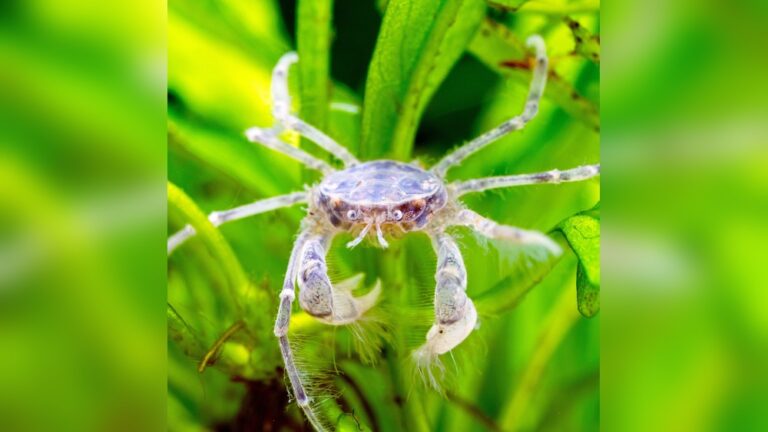
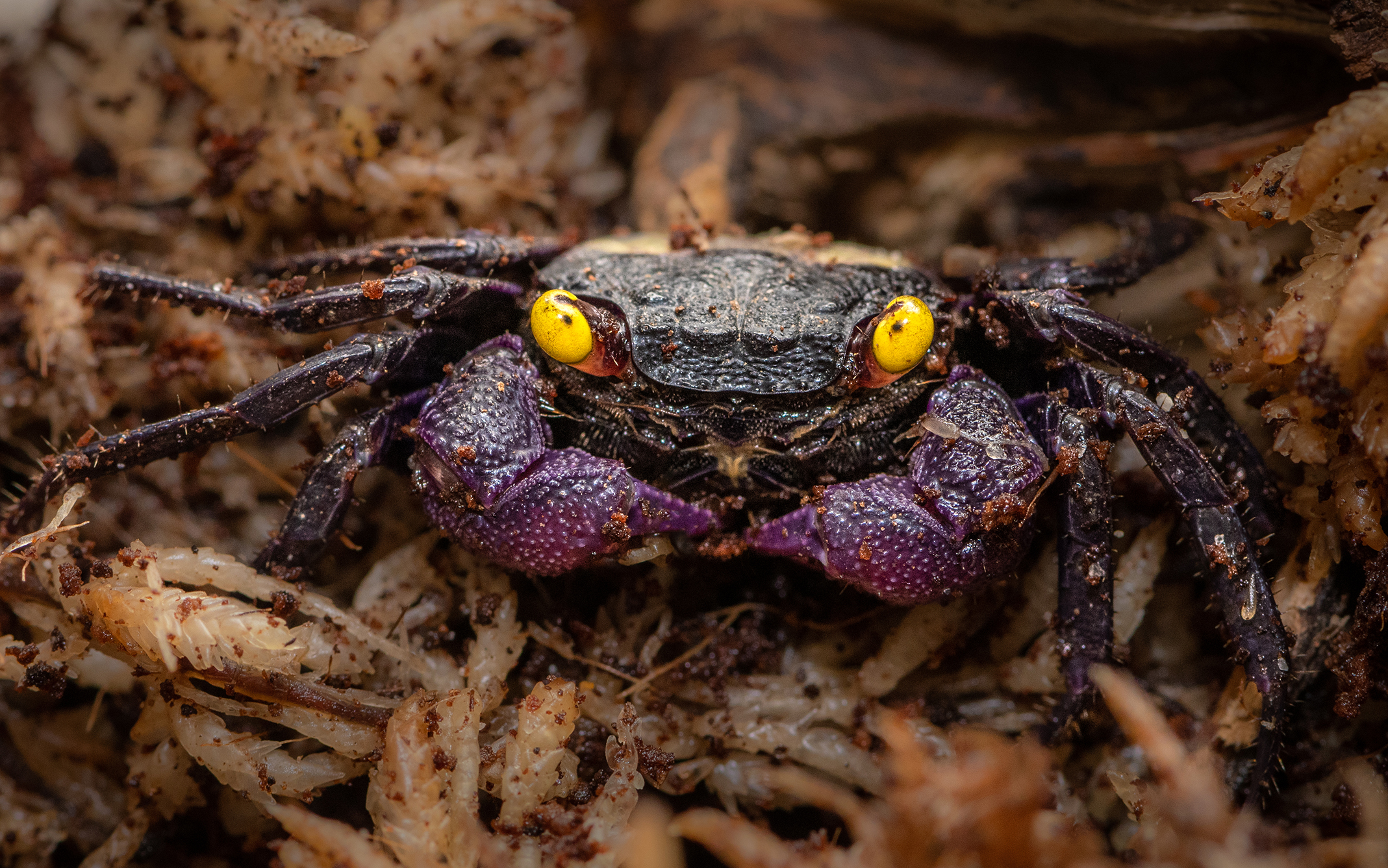
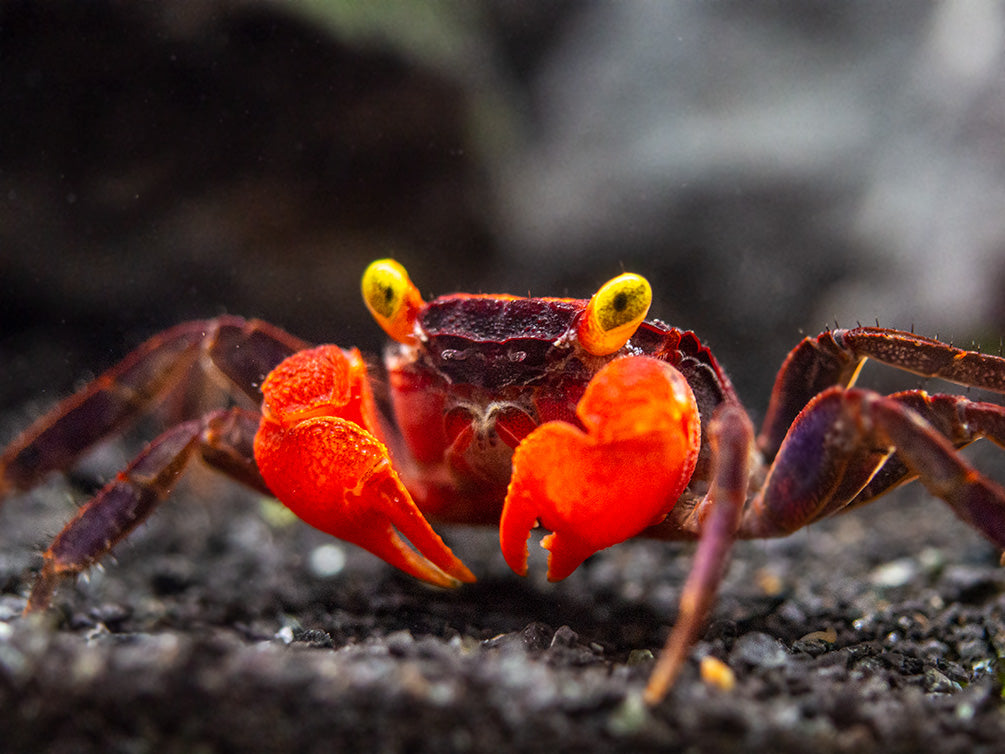
Vampire crabs are tiny, usually about 1 inch wide. Their bodies are dark with bright red or orange spots. Their eyes are large and black, giving them a mysterious look. Their claws are small but strong. This crab’s color helps it blend into rocky streams.
Habitat And Distribution
These crabs live in Southeast Asia, mostly in Malaysia and Indonesia. They prefer cool, humid environments near freshwater streams. They often hide under rocks or leaf litter. They need clean water and moist soil to stay healthy.
Behavior And Lifestyle
Vampire crabs are shy and mostly active at night. They like to climb and explore their surroundings. They eat small insects, plants, and algae. These crabs live in groups but do not fight much. They are peaceful and curious creatures.
Tank Setup For Vampire Crabs
Setting up a tank for vampire crabs requires care and attention. They need a habitat that feels natural. This helps them stay healthy and active. A well-prepared tank mimics their wild environment closely.
Each part of the tank setup matters. Size, water, substrate, and lighting all affect their comfort. Let’s explore the key points for a perfect vampire crab tank.
Tank Size And Type
A small tank of 10 gallons suits a pair of vampire crabs well. Larger tanks work better for more crabs. A glass aquarium is ideal for clear viewing. It also holds humidity and water quality steady.
Choose a tank with a secure lid. Vampire crabs can climb and escape easily. Ventilation is important but keep the humidity high inside the tank.
Water Conditions
Vampire crabs need both fresh and saltwater areas. A brackish water mix with low salt is best. Use marine salt mix to prepare the water. Test salinity to keep it around 1.005 to 1.010 specific gravity.
Maintain water temperature between 75°F and 82°F. Keep pH near neutral, around 7.0 to 7.5. Change water regularly to avoid buildup of waste.
Substrate And Decorations
Use fine sand or smooth gravel as substrate. It allows crabs to dig and hide easily. Add plenty of plants, both live or fake. They provide shelter and climbing spots.
Include driftwood, rocks, and caves. These decorations create hiding places and resting spots. Make sure decorations have no sharp edges to protect the crabs.
Lighting And Temperature
Provide low to moderate lighting for vampire crabs. They prefer dim light since they are nocturnal. Use a timer to keep a regular day and night cycle.
Keep the tank temperature steady between 75°F and 82°F. Avoid sudden temperature changes. Use a heater with a thermostat for consistent warmth.
Feeding Vampire Crabs
Feeding vampire crabs is an important part of keeping them healthy and active. These small crabs need a balanced diet to thrive in your aquarium. Understanding their feeding habits helps you provide the right care and environment.
Diet Requirements
Vampire crabs eat both plants and animals. They are omnivores, which means they need a mix of protein and vegetation. Protein helps build their muscles and energy. Vegetables provide fiber and vitamins for good health.
Fresh and varied food keeps them strong. Avoid overfeeding to prevent water pollution. Clean water is essential for their survival.
Feeding Schedule
Feed vampire crabs once a day, preferably in the evening. They are more active at night and will eat better. Remove leftover food after a few hours to keep the tank clean.
Occasionally, skip feeding for a day to mimic their natural environment. This helps maintain their digestion and prevents obesity.
Suitable Foods
Offer small pieces of shrimp, fish flakes, or bloodworms for protein. Blanched vegetables like spinach or zucchini are excellent plant options. Algae wafers also provide good nutrition.
Use fresh, high-quality foods to avoid health problems. Avoid feeding processed human food or anything with additives.
Credit: lazoo.org
Health And Care Tips
Vampire crabs need special care to stay healthy and active. Their environment, diet, and company affect their well-being. Understanding their needs helps prevent health problems. This guide covers key tips for their care.
Common Diseases
Vampire crabs can suffer from shell infections and parasites. Signs include unusual spots, lethargy, and loss of appetite. Keep the tank clean to reduce risks. Quarantine new crabs before adding them to the tank. Treat infections early with safe medications.
Molting Process
Molting is when vampire crabs shed their old shell. It happens regularly as they grow. During this time, crabs hide and eat less. Provide plenty of hiding spots for safety. Avoid disturbing them until their new shell hardens. A good diet helps speed up recovery.
Tank Mates Compatibility
Choose tank mates that are calm and non-aggressive. Small fish and snails usually work well. Avoid big or aggressive species that may harm crabs. Keep an eye on interactions to prevent stress or injury. Separate crabs if fights occur.
Breeding Vampire Crabs
Breeding vampire crabs can be a rewarding experience for aquarium hobbyists. These small crabs have unique behaviors and needs during reproduction. Creating the right conditions is key to success.
Breeding Environment
Vampire crabs need a habitat with both land and water areas. Use a shallow water section and moist soil or moss. Keep the temperature between 75 and 82 degrees Fahrenheit. Provide hiding spots using plants and small caves. Low light helps reduce stress and encourages breeding.
Mating Behavior
Male vampire crabs show bright colors to attract females. They wave their claws and move slowly to signal interest. Mating usually happens at night or in dim light. After mating, females carry eggs under their abdomen. This stage can last several weeks.
Raising The Young
Once hatched, baby crabs need clean water and shelter. Provide small hiding places like fine plants or leaf litter. Feed tiny foods such as crushed flakes or baby brine shrimp. Change water often to keep it fresh. Young crabs grow slowly and need gentle care.
Credit: aquaticarts.com
How Smart Pets Lover Can Help You with Vampire Crabs
Learning Through Care: What Vampire Crabs Teach Us
Welcoming vampire crabs into your home offers more than just a fascinating pet experience—it opens doors to practical learning about aquatic ecosystems and responsible care. As you set up their tank, you’ll develop a deeper understanding of their unique habitat needs, from humidity control to substrate choices, enhancing your skills in creating balanced environments. Feeding vampire crabs provides insight into their omnivorous diet, encouraging mindful selection of nutritious foods that support their health and vitality.
Engaging with their health and care routines fosters patience and attention to detail, vital qualities for any pet parent. These small creatures also present a chance to explore breeding behaviors, offering a hands-on lesson in life cycles and animal husbandry. At Smart Pets Lover, we believe that every interaction with pets like vampire crabs enriches your connection to nature and nurtures a compassionate, informed approach to pet ownership.
For personalized advice or to share your experiences, feel free to connect with us at [email protected]. Remember, every wag, purr, and chirp tells a story—sometimes, it’s the quiet click of a crab’s claw that teaches us the most.
Frequently Asked Questions
What Are Vampire Crabs And Where Do They Live?
Vampire crabs are small, colorful freshwater crabs native to Southeast Asia. They thrive in humid, forested environments near streams and rivers.
How Do Vampire Crabs Behave In Captivity?
Vampire crabs are shy, nocturnal, and semi-terrestrial. They enjoy hiding spots and moist substrate in aquariums to feel secure.
What Do Vampire Crabs Eat In An Aquarium?
They eat a varied diet including algae, detritus, small insects, and commercial crab food. Balanced nutrition keeps them healthy.
Can Vampire Crabs Live With Other Aquarium Species?
Yes, vampire crabs are peaceful and can coexist with small, non-aggressive fish and invertebrates in a community tank.
Conclusion
Vampire crabs are small but full of charm. They add color and life to any aquarium. Caring for them is simple with the right setup. These crabs enjoy hiding spots and clean water. Watching their bright colors and quick movements is fun.
They also help keep tanks clean by eating leftover food. A peaceful tank works best for their happiness. Their unique look makes them a favorite for many. Keep their environment stable, and they will thrive. Vampire crabs make great pets for beginners and experts alike.