Mystery Snail
Have you ever wanted a pet that’s both fascinating and easy to care for? A mystery snail might be just what you need.
These colorful snails are more than just simple tank inhabitants—they bring life and intrigue to your aquarium. If you’re curious about how to keep them happy and healthy, or want to know what makes them so special, this guide is for you.
Keep reading, and you’ll discover tips and secrets that will turn your mystery snail into the star of your tank.

Credit: www.amazon.com
Mystery Snail Basics
Mystery snails are popular pets in freshwater aquariums. They have a unique look and calm behavior. These snails help keep tanks clean by eating algae and leftover food. Understanding their basics helps in caring for them properly.
Here are some key points about mystery snails to get started.
Physical Features
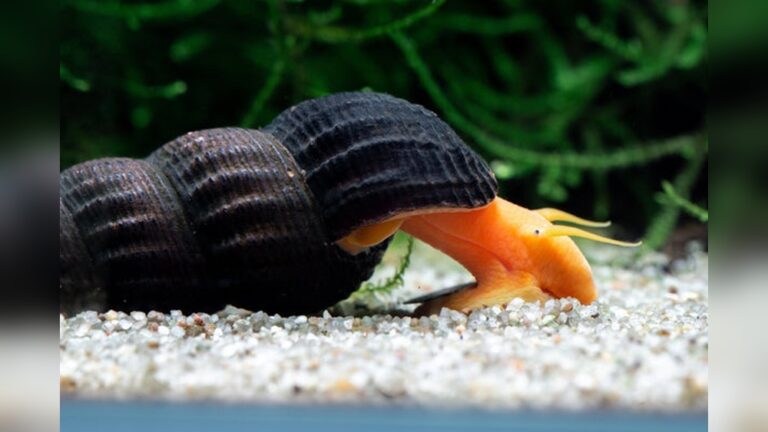
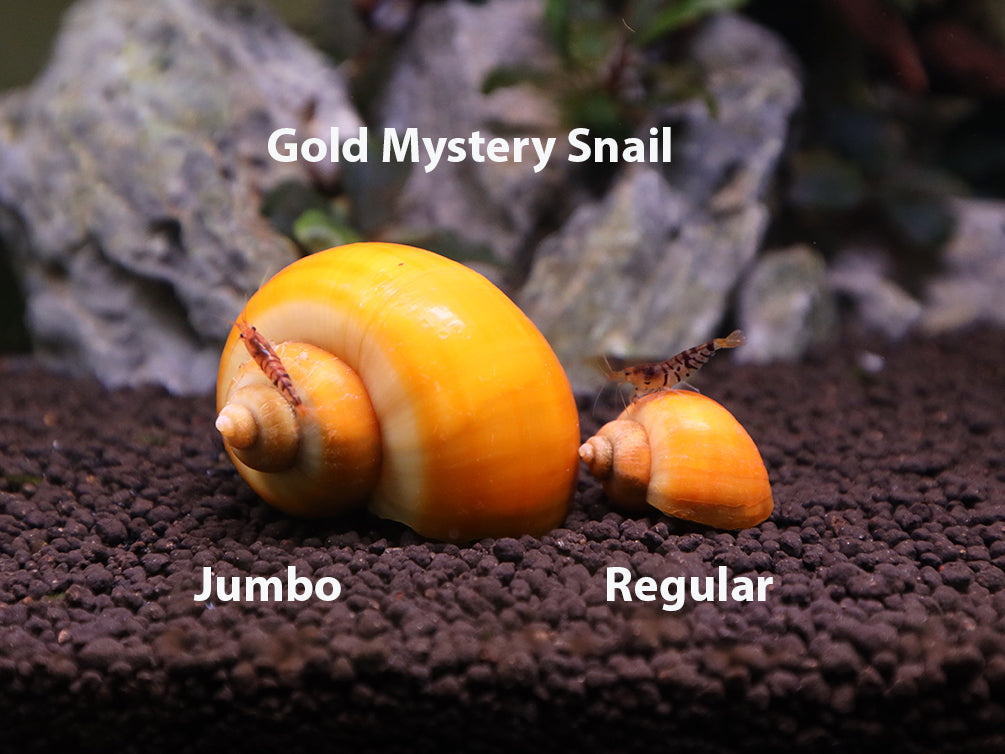
Mystery snails have round, spiral shells. Their shells come in many colors like gold, blue, and black. They have two long antennae on their heads. Their bodies are soft and usually match the shell color. These snails can grow up to 2 inches wide. Their shells protect them from harm and predators.
Natural Habitat
Mystery snails live in freshwater lakes and ponds. They prefer slow-moving or still water. Plants and mud provide food and shelter. These snails breathe air using a lung but also absorb oxygen through their skin. They often come to the water surface to breathe.
Lifespan
Mystery snails usually live 1 to 2 years. Proper care can help them live longer. Clean water and good food are important. Stress and poor tank conditions shorten their life. Watching their behavior helps detect health problems early.

Credit: www.aquapets.ca
Types And Colors
Mystery snails are popular aquarium pets due to their unique appearance. They come in many types and colors. This variety adds beauty to any tank. Understanding these differences helps you pick the right snail.
Common Variants
There are several common mystery snail types. Apple snails are the most popular. Their shells are large and round. Another type is the golden mystery snail. It has a bright yellow shell. The zebra mystery snail features stripes on its shell. Each variant has distinct shell shapes and sizes.
Color Patterns
Colors range from solid to patterned. Solid colors include white, black, and yellow. Patterned shells show stripes or spots. Some have a mix of brown and cream colors. Shell brightness depends on diet and water quality. Color variety makes your aquarium more lively and interesting.
Choosing A Type
Choose based on tank size and décor. Smaller tanks suit smaller snails. Match snail color with your plants and fish. Some snails need more care than others. Check their activity level and shell strength. Pick a type that fits your aquarium’s needs and style.
Tank Setup
Setting up the right tank is key for a healthy Mystery Snail. It gives them space to move and a safe place to live. Good care starts with a proper environment.
Each part of the tank setup matters. From size to water and decorations, all affect your snail’s life. Prepare well to keep your snail happy and active.
Tank Size
A tank of at least 5 gallons suits one Mystery Snail. Bigger tanks are better for multiple snails. They need space to explore and find food.
Water Conditions
Keep the water temperature between 68 and 78 degrees Fahrenheit. The pH should stay between 7.0 and 8.0. Clean water helps snails grow strong. Use a gentle filter to avoid strong currents.
Plants And Decorations
Live plants provide hiding spots and clean the water. Smooth decorations prevent shell damage. Avoid sharp objects inside the tank. Snails enjoy crawling on soft surfaces.
Feeding Habits
Mystery snails have simple feeding habits. They eat a variety of foods to stay healthy. Understanding their diet helps keep them active and vibrant in your aquarium.
These snails are not picky but need balanced nutrition. Feeding them properly supports their shell growth and energy.
Diet Essentials
Mystery snails eat plant matter and algae. They also enjoy sinking pellets made for snails or fish. Vegetables like lettuce, zucchini, and spinach are good choices. Calcium is important to keep their shells strong. You can offer cuttlebone or calcium tablets for this.
Feeding Frequency
Feed mystery snails once a day or every other day. Overfeeding can pollute the tank water. Remove leftover food to keep the tank clean. Observe your snails to adjust feeding as needed.
Favorite Foods
Mystery snails love algae sheets and blanched vegetables. They often eat cucumber, carrots, and peas. Algae wafers are a great treat. Fresh greens from the tank also attract them.
Behavior And Activity
Mystery snails show unique behaviors in their tanks. Watching their movements and actions helps understand their health and mood. These snails are active and curious. They explore their surroundings and interact with other tank mates. Observing their activity can reveal signs of stress or happiness.
Movement Patterns
Mystery snails move slowly but steadily. They use their muscular foot to glide on surfaces. You will see them climbing glass walls and plants. They often explore during the day and night. Their smooth movement helps them find food and clean algae.
Interaction With Other Fish
These snails are peaceful and calm. They do not bother fish or other tank animals. Fish usually ignore them or swim around them. Mystery snails may share space with fish without problems. They add balance to the tank ecosystem.
Signs Of Stress
Stress in mystery snails shows in their behavior. They may stay hidden or stop moving. A snail stuck at the water surface could lack oxygen. Cracked shells or loose operculum are bad signs. Watch for slow movement or refusal to eat. Early detection helps keep your snail healthy.
Breeding Mystery Snails
Breeding Mystery Snails is a rewarding experience for aquarium hobbyists. These snails are easy to breed and add life to any tank. Understanding their breeding habits helps ensure healthy offspring. This section covers their mating, egg care, and raising juveniles.
Mating Process
Male and female Mystery Snails mate above the water surface. The male climbs on the female’s shell and stays for several hours. This process can repeat multiple times over days. Fertilization occurs internally during this period. After mating, females lay eggs outside the water.
Egg Care
Females lay clusters of pink or orange eggs above the water line. Keep the egg clutch moist but not submerged. Use a spray bottle to mist the eggs daily. Avoid touching or moving the eggs to prevent damage. Eggs hatch in about two to four weeks depending on temperature.
Raising Juveniles
Newborn snails are tiny but active soon after hatching. Provide fine algae or special snail food for their first meals. Keep water clean and stable to reduce stress. Juveniles grow quickly and can join the main tank after a few weeks. Separate tanks may help protect them from predators.
Health And Common Issues
Mystery snails are popular pets known for their bright colors and interesting behavior. Keeping them healthy is key to enjoying their company. Like all creatures, mystery snails can face health problems. Recognizing issues early helps protect them.
Disease Symptoms
Look for changes in shell color or texture. Cracks or holes may appear on the shell. Snails may stop moving or hide more than usual. A slimy coating on their body can show illness. Poor appetite is another common symptom. Watch for unusual spots or swelling on their body.
Prevention Tips
Maintain clean water in the tank. Change water regularly to avoid bacteria buildup. Use a water filter to keep water clear. Feed snails a balanced diet with calcium. Avoid overcrowding the tank. Keep water temperature stable and suitable for snails. Remove uneaten food to prevent decay.
Treatment Options
Isolate sick snails to stop disease spread. Use aquarium salt to treat minor infections. Add calcium supplements to strengthen shells. Consult a vet for severe illnesses. Change water often during treatment. Keep the tank clean and stress-free. Monitor snails closely until they recover.
Credit: aquaticarts.com
Mystery Snail Care Tips
Mystery snails are charming pets that need simple care to thrive. Their bright shells and calm nature make them popular in aquariums. Proper care keeps them healthy and active. Follow these easy tips to create a perfect home for your mystery snail.
Cleaning The Tank
Keep the tank clean to avoid harmful bacteria. Change 20-30% of the water weekly. Use a gravel vacuum to remove debris from the tank bottom. Avoid strong chemicals; they can harm your snail. Clean decorations and plants gently to remove algae.
Handling Snails
Handle mystery snails with care to avoid shell damage. Always wash your hands before touching them. Pick them up gently using wet hands or a soft net. Do not pull snails off surfaces; it can hurt them. Limit handling to reduce stress.
Maintaining Water Quality
Check water parameters regularly for a healthy environment. Keep pH between 7.0 and 8.0 for best results. Maintain water temperature around 68-78°F (20-26°C). Use a water conditioner to remove chlorine. Avoid sudden changes in water conditions.
How Smart Pets Lover Can Help You with Mystery Snail
Learning from Your Mystery Snail: A Gentle Introduction to Aquatic Care
Welcoming a Mystery Snail into your home is more than just adding a splash of color to your tank—it’s a chance to dive into practical, hands-on learning about aquatic ecosystems and responsible pet care. Observing your snail’s behavior and activity can teach patience and attentiveness, while understanding their feeding habits helps you appreciate the balance of nutrition and environment. Setting up the perfect tank provides insights into water chemistry and habitat needs that are essential for any aquatic pet’s health.
At Smart Pets Lover, we believe these everyday experiences foster a deeper connection between pet parents and their aquatic companions. Whether you’re refining your knowledge on breeding Mystery Snails or troubleshooting common health issues, remember that each step builds your confidence and enriches your care skills.
For questions or sharing your snail stories, you can reach out to our community at [email protected]—because every wag, purr, and chirp tells a story worth learning from.
Frequently Asked Questions
What Is A Mystery Snail?
A mystery snail is a freshwater snail popular in aquariums. It has a round shell and comes in various colors. They help keep tanks clean by eating algae and debris. Mystery snails are peaceful and easy to care for, making them ideal for beginners.
How Do Mystery Snails Reproduce?
Mystery snails lay eggs above the waterline. The eggs appear as pink or orange clusters on tank lids or plants. They hatch in about two weeks. Unlike many snails, mystery snails need air to breathe, so they lay eggs above water to survive.
What Do Mystery Snails Eat?
Mystery snails primarily eat algae, dead plants, and leftover fish food. They help maintain aquarium cleanliness by consuming excess organic matter. You can also feed them blanched vegetables like spinach or zucchini. A balanced diet keeps them healthy and active.
How Long Do Mystery Snails Live?
Mystery snails typically live 1 to 3 years in captivity. Proper care, clean water, and a healthy diet extend their lifespan. Avoid exposure to copper or harsh chemicals, as these can be fatal. Regular tank maintenance supports their longevity.
Conclusion
Mystery snails add beauty and interest to any aquarium. They help keep tanks clean by eating algae and leftover food. These snails are easy to care for and fun to watch. Their unique colors and patterns make them a favorite for many hobbyists.
Remember to provide a safe environment with fresh water and proper food. Mystery snails can live happily for years with simple care. A peaceful addition that brings life and charm to your underwater world. Try adding one and enjoy the calm they bring.