Blue Velvet Shrimp
If you’re looking to add a splash of color and life to your aquarium, Blue Velvet Shrimp might be exactly what you need. These stunning little creatures are not just beautiful—they’re also easy to care for and fun to watch.
Imagine having a tank filled with vibrant blue shrimp gliding gracefully among your plants. Curious to know how to keep them healthy and happy? Keep reading, because you’re about to discover everything you need to know to make your Blue Velvet Shrimp thrive.
Credit: www.theshrimpfarm.com
Blue Velvet Shrimp Basics
Blue Velvet Shrimp are small freshwater creatures popular in aquariums. They add a unique color and life to tanks. Understanding their basics helps keep them healthy and happy.
These shrimp are peaceful and easy to care for. Their bright blue color makes them stand out. They also help keep the tank clean by eating algae.
Origin And Habitat
Blue Velvet Shrimp come from Taiwan. They live in slow-moving rivers and streams. The water there is clean and has many plants. These shrimp prefer cool, fresh water. They hide among rocks and plants to stay safe.
Physical Features
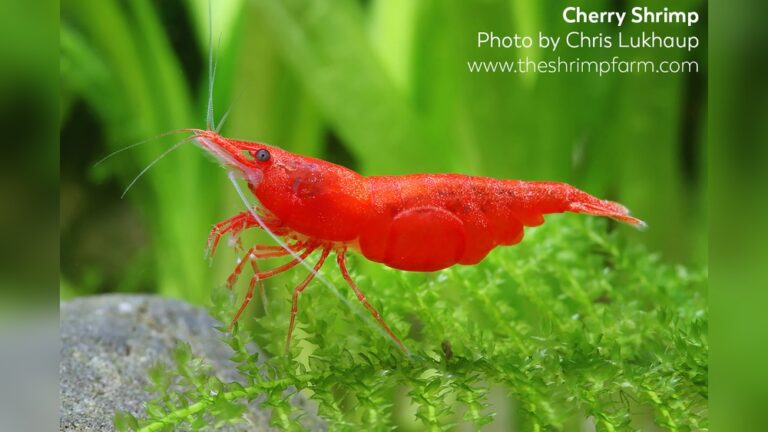
These shrimp are small, about 1 to 1.5 inches long. They have a smooth body covered with a hard shell. Their legs are thin but strong. Blue Velvet Shrimp use their antennae to sense their surroundings. Their size and shape help them move quickly in water.
Color Variations
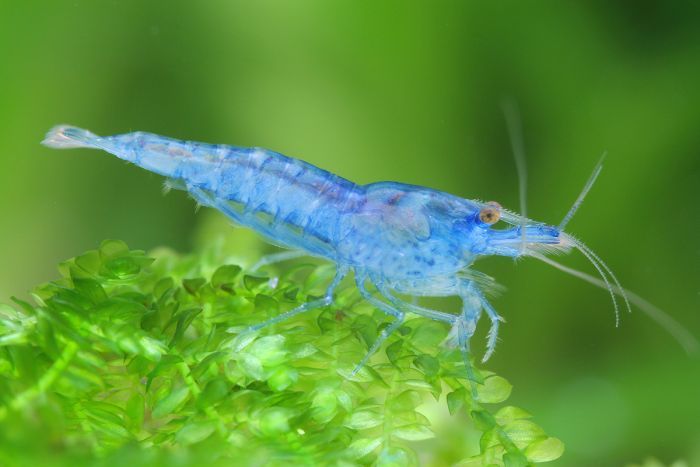
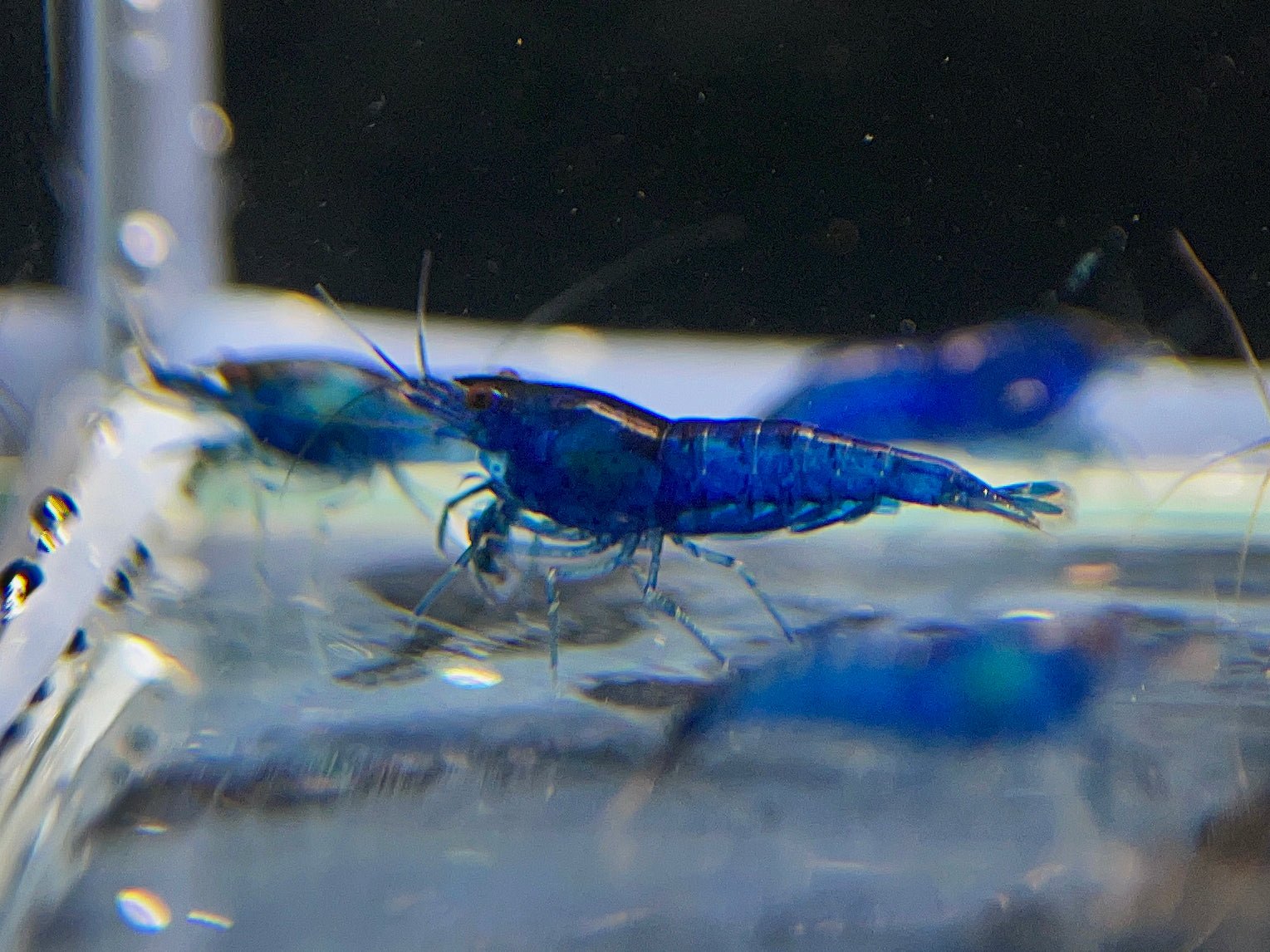
Blue Velvet Shrimp are mostly bright blue. The blue shades can range from light to dark. Some shrimp show hints of green or turquoise. Color depends on genetics and water quality. Healthy shrimp show the brightest colors.
Credit: aquahuna.com
Tank Setup And Environment
Creating the right tank setup is key for Blue Velvet Shrimp to thrive. These shrimp need a calm and stable environment. Proper care starts with a well-planned tank.
Setting up the tank with correct conditions helps keep shrimp healthy and active. Small details make a big difference in their life.
Ideal Tank Size
A tank of at least 10 gallons suits Blue Velvet Shrimp well. This size gives enough space for swimming and hiding. Avoid overcrowding to reduce stress and maintain water quality.
Water Parameters
Blue Velvet Shrimp prefer water with a temperature between 68°F and 78°F. Keep pH levels stable, around 6.5 to 7.5. Soft to moderately hard water is best. Regular water checks protect shrimp from sudden changes.
Substrate And Plants
Use fine gravel or sand as substrate to protect delicate shrimp legs. Live plants like java moss and anubias offer hiding spots. Plants also improve water quality and provide food sources.
Feeding And Nutrition
Feeding and nutrition play a key role in keeping Blue Velvet Shrimp healthy. These small creatures need a balanced diet to grow strong and stay active. Proper feeding helps maintain their bright blue color and supports their natural behavior.
Understanding what Blue Velvet Shrimp eat and how often to feed them ensures they thrive in your aquarium. Knowing the right food types and supplements helps avoid overfeeding and keeps the water clean.
Diet Preferences
Blue Velvet Shrimp are omnivores. They eat both plant matter and small bits of protein. Algae is a favorite food and provides essential nutrients. You can offer blanched vegetables like spinach, zucchini, or cucumber. These shrimp also enjoy specially made shrimp pellets or flakes. Avoid foods with too many additives or preservatives.
Feeding Frequency
Feed Blue Velvet Shrimp small amounts daily. Overfeeding can pollute the tank water. A good rule is to provide only what they can eat in two hours. Remove leftover food to prevent decay. This keeps the tank clean and the shrimp healthy.
Supplements And Treats
Occasional supplements boost shrimp health. Calcium is important for shell growth. You can add cuttlebone or calcium-rich foods. Treats like frozen bloodworms or brine shrimp add protein. Use treats sparingly to avoid water quality issues.
Behavior And Compatibility
Blue Velvet Shrimp are peaceful creatures that thrive in calm environments. Their behavior affects how well they live with other fish and shrimp. Understanding their social traits and compatibility helps create a balanced tank. This section explains their behavior and how to manage their interactions.
Social Traits
Blue Velvet Shrimp are social animals. They like to stay in groups called colonies. Small groups may feel stressed and hide more. In larger numbers, they move freely and explore the tank. They clean surfaces and eat leftover food. Their gentle nature makes them good for community tanks.
Tank Mates
Choose peaceful fish that do not hunt shrimp. Tiny fish like small tetras or guppies usually work well. Avoid large or aggressive fish that may see shrimp as food. Snails and other small shrimp species can share the tank. Keep the tank well-planted to offer hiding spots.
Handling Aggression
Blue Velvet Shrimp rarely show aggression. They prefer to avoid fights. Stress or overcrowding can cause them to hide more. Watch for signs like missing limbs or constant hiding. Separate aggressive tank mates quickly. Provide plenty of space and plants to reduce stress.
Breeding Blue Velvet Shrimp
Breeding Blue Velvet Shrimp can be a rewarding hobby for aquarium enthusiasts. These shrimp are peaceful and vibrant, making them a great addition to home tanks. Understanding their breeding needs helps ensure a healthy shrimp colony. Simple care and proper conditions support successful reproduction and growth.
Careful attention to water quality, diet, and environment creates the best chance for breeding. Patience is key, as shrimp breeding takes time and gentle care. Watching tiny shrimplets grow brings joy and satisfaction.
Breeding Conditions
Blue Velvet Shrimp thrive in clean, stable water. Keep water temperature between 72°F and 78°F for best results. pH should be slightly acidic to neutral, around 6.5 to 7.5. Provide plenty of hiding spots using plants and decorations. Regular water changes keep the tank healthy. Avoid sudden changes in water parameters to reduce stress.
Egg Development
Female shrimp carry eggs under their tails after mating. Eggs are small and greenish, visible to the eye. Development takes about 3 to 4 weeks. The female fans water over the eggs to keep them clean. Watch for movement inside the eggs as they near hatching. Remove any dead eggs to prevent water pollution.
Raising Juveniles
Newborn shrimp are tiny and fragile. Feed them finely crushed algae or special shrimp food. Keep water conditions stable to avoid stress. Provide gentle filtration to protect small shrimp. Juveniles grow quickly with proper care. Separate them if larger shrimp threaten their safety.
Common Health Issues
Blue Velvet Shrimp are beautiful and peaceful pets. Like all shrimp, they can face health problems. These issues affect their survival and tank harmony. Knowing common health issues helps keep them strong and happy.
Illnesses often come from poor water quality, stress, or infections. Early signs can be subtle. Watch for changes in color, movement, or appetite. Quick action can save many shrimp.
Diseases And Parasites
Blue Velvet Shrimp suffer from several diseases. Bacterial infections cause lethargy and discoloration. Fungal infections show as white spots or patches. Parasites like worms and protozoa attach to shrimp bodies. These pests weaken shrimp and may cause death.
Preventive Care
Clean water is key to prevention. Change tank water regularly and test for toxins. Avoid overcrowding to reduce stress and spread of disease. Use quality food to boost shrimp immunity. Quarantine new shrimp before adding them to the tank.
Treatment Options
Isolate sick shrimp to stop disease spread. Use shrimp-safe medications for bacterial and fungal infections. Salt baths can help remove some parasites. Maintain stable tank conditions during treatment. Always follow dosage instructions carefully to avoid harm.
Maintaining A Healthy Colony
Maintaining a healthy colony of Blue Velvet Shrimp takes care and attention. These shrimp need clean water, a balanced population, and a calm environment to thrive. Small steps make a big difference in their health and happiness.
Water Maintenance
Clean water is key for Blue Velvet Shrimp. Change 10-20% of the water weekly. Use a water conditioner to remove chlorine and harmful chemicals. Test water parameters often. Keep pH between 6.5 and 7.5. Keep temperature stable, around 72-78°F (22-25°C).
Good filtration helps remove waste and keeps water clear. Avoid strong water currents. They stress the shrimp and disturb the tank.
Population Control
Overcrowding harms the shrimp colony. Too many shrimp compete for food and space. Keep about 10 shrimp per 5 gallons of water. Remove excess shrimp or share with other aquariums. Watch for signs of stress or illness in crowded tanks.
Stress Reduction
Stress lowers shrimp immunity and slows growth. Avoid sudden changes in water or light. Provide plenty of hiding spots with plants or decorations. Feed a variety of foods, including algae and shrimp pellets. Keep tank mates peaceful and shrimp-only if possible.
Credit: aquahuna.com
How Smart Pets Lover Can Help You with Blue Velvet Shrimp
Learning from Your Blue Velvet Shrimp Experience
Welcoming Blue Velvet Shrimp into your aquarium offers more than just a splash of color—it’s a chance to deepen your understanding of aquatic ecosystems and responsible pet care. Observing their behavior and compatibility with tank mates provides practical insights into social dynamics underwater, while maintaining a healthy colony teaches the importance of consistent tank setup and environment management.
Feeding and nutrition play a crucial role, too. Paying attention to what your shrimp prefer and how they respond encourages mindful care routines, reminding us that even the smallest creatures have unique needs. At Smart Pets Lover, we believe every interaction with your pets—whether dogs, cats, birds, or fish—can be a learning moment that strengthens your bond and confidence as a pet parent.
- Track water parameters regularly to prevent common health issues.
- Note shrimp behavior changes to spot early signs of stress or illness.
- Experiment gently with diet variations to find what suits your colony best.
For any questions or detailed guidance, reaching out to local aquatic specialists or trusted resources can be invaluable. Remember, nurturing your Blue Velvet Shrimp is about patience, observation, and a genuine connection—qualities that make every pet journey rewarding.
Frequently Asked Questions
What Is A Blue Velvet Shrimp?
Blue Velvet Shrimp is a freshwater shrimp species known for its vibrant blue color. They are popular in aquariums for their striking appearance and algae-eating habits. These shrimps are peaceful and easy to care for, making them ideal for beginners and experienced hobbyists alike.
How Do You Care For Blue Velvet Shrimp?
Blue Velvet Shrimp need clean, stable water with a pH of 6. 5-7. 5 and temperature between 68-78°F. They thrive in planted tanks with hiding spots. Feed them algae, biofilm, and high-quality shrimp pellets. Regular water changes and gentle filtration help maintain their health.
Can Blue Velvet Shrimp Live With Other Fish?
Yes, they can live with small, peaceful fish that won’t harm them. Avoid aggressive or large fish as they may prey on the shrimp. Ideal tank mates include small tetras, rasboras, and snails. Providing plenty of hiding places ensures shrimp safety.
What Do Blue Velvet Shrimp Eat?
Blue Velvet Shrimp primarily eat algae, biofilm, and detritus in the tank. Supplement their diet with shrimp-specific pellets and blanched vegetables like spinach or zucchini. A varied diet ensures they get essential nutrients and maintain vibrant coloration.
Conclusion
Blue Velvet Shrimp add beauty and life to any aquarium. They are easy to care for and fun to watch. Keep their water clean and food balanced. These shrimp stay healthy and colorful with simple care. Many hobbyists enjoy their calm nature and bright blue color.
A small tank or a large aquarium suits them well. Try adding Blue Velvet Shrimp to your tank for a peaceful touch. They bring calm and charm to underwater spaces.