Ramshorn Snail
Have you ever wondered how a small, simple creature can bring so much life and balance to your aquarium? The Ramshorn Snail might be the perfect addition you didn’t know you needed.
These tiny snails are not only fascinating to watch but also incredibly helpful in keeping your tank clean and healthy. If you want to learn how to care for them, understand their behavior, and discover the benefits they bring, keep reading.
By the end of this article, you’ll see why the Ramshorn Snail could become your aquarium’s best friend.

Credit: aquaticmotiv.com
Ramshorn Snail Features
The Ramshorn Snail is a popular freshwater snail known for its unique features. These features help it survive and thrive in many aquatic environments. Understanding these traits can help aquarium owners care for them better.
Shell Shape And Size
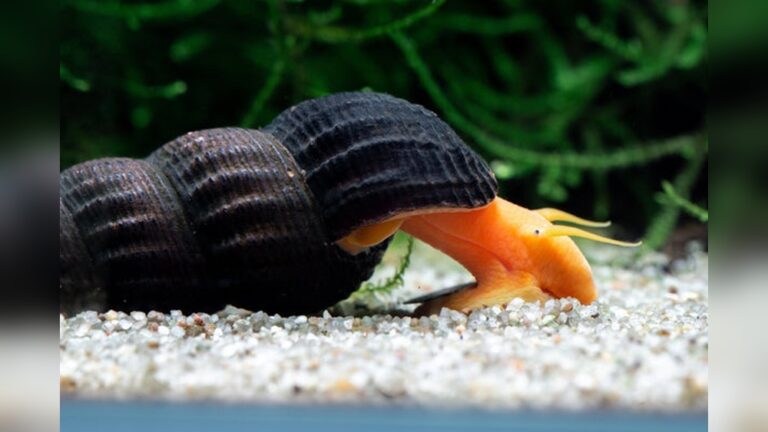
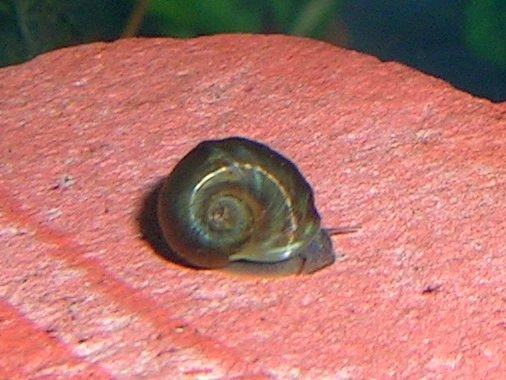
The shell of a Ramshorn Snail is round and flat, shaped like a coil or spiral. It looks like a small ram’s horn, which gives the snail its name. The shell size usually ranges from 1 to 2 centimeters across. This compact size helps the snail move easily in water plants and tight spaces.
Color Variations
Ramshorn Snails come in several colors. The most common are red, brown, and black. Some snails have mixed colors or spots on their shells. These colors depend on their diet and environment. Bright colors make them easy to spot in tanks or ponds.
Anatomy Basics
The Ramshorn Snail has a soft body inside its shell. It uses a radula, a tongue-like organ with tiny teeth, to scrape food. It breathes through gills or lungs, depending on the species. Its tentacles help sense the surroundings and find food. The snail moves slowly using its muscular foot.
Credit: en.wikipedia.org
Habitat And Distribution
The Ramshorn Snail is a common freshwater snail known for its unique shell shape. Understanding its habitat and distribution helps hobbyists care for them better. These snails adapt to various water conditions and environments.
Natural Environments
Ramshorn Snails thrive in slow-moving waters like ponds, lakes, and streams. They prefer areas with plenty of plants and soft sediment. These snails feed on algae and decaying plant matter. They often hide under leaves and rocks during the day.
Global Range
Originally, Ramshorn Snails come from North America. They have spread to many parts of the world due to aquarium trade and water transportation. You can find them in Europe, Asia, and parts of Africa. Their wide range shows they can live in many climates.
Aquarium Settings
In aquariums, Ramshorn Snails adapt easily. They need clean water with mild temperatures. Plants, driftwood, and hiding spots make them feel safe. These snails help keep tanks clean by eating algae and leftover food. They multiply fast, so watch their numbers carefully.
Behavior And Diet
Ramshorn snails are small freshwater snails known for their unique shell shape. Their behavior and diet play a key role in their survival and interaction with the environment. Understanding these aspects helps hobbyists keep them healthy in aquariums and observe them in the wild.
These snails have simple habits but interesting patterns in how they eat and live. Their diet mainly consists of plant material and algae. They also show different activity levels throughout the day. Socially, they interact with other snails in subtle ways.
Feeding Habits
Ramshorn snails are mostly herbivores. They feed on algae, decaying plants, and biofilm. Their radula, a tiny toothed tongue, scrapes food from surfaces. They help keep aquariums clean by eating leftover food and algae.
Sometimes, they consume soft dead fish or plant matter. This behavior helps recycle nutrients. Overfeeding snails can lead to fast population growth. Monitoring their diet keeps the snail population balanced.
Activity Patterns
These snails are mostly active during the night. They hide under plants or decorations during the day. Activity peaks when the tank lights are off or dim.
They move slowly but steadily in search of food. Ramshorn snails rest by attaching themselves to surfaces. Their activity depends on water temperature and food availability.
Social Interaction
Ramshorn snails are peaceful creatures. They do not show aggressive behavior towards each other. Snails often cluster in groups where food is abundant.
They communicate through touch and chemical signals. This helps them find mates and safe spots. Social interaction is simple but important for reproduction and survival.
Breeding And Life Cycle
The breeding and life cycle of Ramshorn snails are interesting and simple. These snails reproduce quickly and can fill an aquarium fast. Understanding their reproduction helps manage their population well.
Reproduction Methods
Ramshorn snails are hermaphrodites. Each snail has both male and female organs. They can mate with any other snail. This increases their chance to reproduce. Sometimes, they can self-fertilize without a partner. This makes their population grow fast.
Egg Laying
After mating, snails lay eggs in clusters. They attach these jelly-like eggs on plants or tank surfaces. Each cluster can have 10 to 50 eggs. The eggs are small and transparent. It takes about 1 to 3 weeks for eggs to hatch.
Growth Stages
Baby snails hatch fully formed but tiny. They grow by adding new shell layers. Growth depends on food and water quality. It takes a few months to reach full size. Adult snails live around 1 to 2 years. During this time, they can reproduce multiple times.
Care In Aquariums
Ramshorn snails are popular in aquariums for their unique shape and algae-eating habits. Caring for them is simple with the right setup. They thrive in clean, stable environments. Understanding their needs helps keep them healthy and active.
Water Conditions
Ramshorn snails prefer water with a pH between 7.0 and 8.0. The temperature should stay between 68°F and 82°F. They need well-oxygenated water with low levels of ammonia and nitrites. Regular water changes help maintain good water quality. Avoid sudden changes in water parameters.
Tank Setup
Provide a tank with plenty of plants and hiding places. Smooth gravel or sand works well as a substrate. Ramshorn snails like surfaces to crawl on. Avoid sharp decorations that can harm their shells. Keep the tank covered to prevent escapes.
Compatible Species
Ramshorn snails do well with peaceful fish and invertebrates. Avoid aggressive fish that may eat or harm them. Good tank mates include tetras, guppies, and shrimp. Snails also help clean leftover food and algae. Compatibility ensures a balanced and stress-free tank.

Credit: cals.ncsu.edu
Benefits And Challenges
Ramshorn snails bring both benefits and challenges to aquarium care. They help keep tanks clean but need careful management. Understanding their role helps maintain a healthy environment.
Algae Control
Ramshorn snails eat many types of algae. They clean surfaces and decorations effectively. This helps reduce algae growth without chemicals. Their grazing keeps the tank looking neat and healthy.
Population Management
These snails reproduce quickly in good conditions. Too many snails can overcrowd the tank. Regular checks help control their numbers. Removing excess snails keeps balance in the aquarium.
Potential Problems
Overpopulation can lead to waste buildup in the tank. Snails may eat live plants if food is scarce. They can carry diseases or parasites sometimes. Monitoring their health and population prevents issues early.
Common Diseases And Solutions
Ramshorn snails are hardy but can get sick like other pets. Knowing common diseases helps protect your snails. Early care improves their health and life.
Signs Of Illness
Sick snails move less than usual. They may stay still for days. Their shells can become cracked or faded. You might see white spots on their body. Snails also stop eating when ill. Watch for unusual slime or odors.
Treatment Options
Remove sick snails from the main tank. Use clean, warm water for treatment. Adding aquarium salt can help fight infections. Antibiotics may be needed for severe cases. Change water often to keep it clean. Feed them fresh vegetables to boost health.
Preventive Measures
Keep the tank clean and well-filtered. Avoid overfeeding to reduce waste buildup. Quarantine new snails before adding to the tank. Maintain stable water temperature and pH. Provide a balanced diet with calcium for shells. Regular checks catch problems early.
How Smart Pets Lover Can Help You with Ramshorn Snail
Learning from Ramshorn Snails: A Hands-On Experience for Pet Enthusiasts
Understanding Ramshorn Snails goes beyond admiring their unique features; it opens doors to practical learning about aquatic ecosystems and responsible pet care. Observing their behavior and diet offers valuable insights into maintaining a balanced aquarium environment, while monitoring their breeding and life cycle nurtures patience and attentiveness—qualities essential for any pet parent.
For those new to aquarium care, tracking the health and common diseases of Ramshorn Snails can be an eye-opening lesson in early detection and gentle treatment approaches. Smart Pets Lover encourages curious minds to document these experiences, fostering a deeper connection with all aquatic life.
- Keep a simple journal noting snail activity and tank conditions
- Experiment with natural food sources to see how diet affects their vitality
- Observe interactions with other tank inhabitants to understand ecosystem dynamics
These practical steps not only enhance your understanding but also build confidence in pet stewardship. For further guidance or community support, reaching out to knowledgeable groups or visiting trusted resources can make the learning journey even more fulfilling.
Frequently Asked Questions
What Is A Ramshorn Snail?
A Ramshorn Snail is a freshwater snail with a coiled, flat shell. It is common in aquariums and ponds, known for cleaning algae and debris.
How Fast Do Ramshorn Snails Reproduce?
Ramshorn Snails reproduce rapidly, laying eggs every few weeks. Each clutch contains 10-50 eggs, which hatch in about two weeks.
Are Ramshorn Snails Harmful To Aquariums?
Ramshorn Snails are generally harmless. They help clean algae but can overpopulate if not controlled, potentially stressing plants or fish.
What Do Ramshorn Snails Eat?
They mainly eat algae, decaying plants, and leftover fish food. This diet helps maintain a cleaner, healthier aquarium environment.
Conclusion
Ramshorn snails are great for freshwater tanks. They help keep the tank clean by eating algae and leftover food. These snails are easy to care for and do well with many fish types. Watch their numbers to avoid overpopulation. They add a natural look to your aquarium.
Remember to provide enough food and clean water. Ramshorn snails make a simple, helpful addition to your tank. Give them a try and enjoy a healthier aquatic environment.