Eastern Box Turtle
Have you ever wondered what makes the Eastern Box Turtle so unique? If you’re curious about this fascinating creature, you’re in the right place.
The Eastern Box Turtle isn’t just any turtle—it has a special shell that acts like a built-in shield, protecting it from danger. Whether you’re a nature lover, a pet enthusiast, or simply someone who enjoys learning about wildlife, this article will reveal surprising facts and helpful tips that you won’t want to miss.
Keep reading, and discover why the Eastern Box Turtle deserves your attention and care.
Physical Traits
The Eastern Box Turtle has unique physical traits that make it easy to recognize. Its body is well-suited for life on land and protection from predators. The most notable feature is its strong, domed shell, which acts like a shield. This shell not only guards the turtle but also shows beautiful patterns and colors.
Shell Patterns And Colors
The shell of the Eastern Box Turtle displays bright, eye-catching patterns. It usually has yellow or orange lines on a dark brown or black background. These lines form spots, streaks, or swirls, making each turtle’s shell different. The colors help the turtle blend into leaves and soil.
Size And Weight
Eastern Box Turtles are small to medium-sized turtles. Adults usually measure about 4 to 6 inches long. Their weight ranges from 1 to 2 pounds. The females tend to be slightly larger than males. This size helps them move easily through forests and grassy areas.
Lifespan
These turtles live for many years. In the wild, they can live 30 to 40 years or more. Some even reach 50 years old. Their slow movement and tough shell help them survive. In safe environments, their lifespan can be even longer.
Habitat And Range
The Eastern Box Turtle thrives in specific habitats that meet its needs for shelter, food, and moisture. Understanding where these turtles live helps us protect them better. Their range covers many areas in the eastern United States. Each environment offers unique conditions for their survival.
Preferred Environments
Eastern Box Turtles prefer moist forests and woodlands. They often live near streams, ponds, or wetlands. These areas provide water and soft soil for digging. They like places with dense leaf litter and fallen logs. Such spots offer cover from predators and harsh weather. Open fields or dry areas are less common homes for them.
Geographic Distribution
These turtles are found from southern Maine to northern Florida. Their range stretches west to parts of the Midwest, including Illinois and Missouri. They avoid very cold or very dry regions. The climate in their range is usually mild with four seasons. This helps them find food year-round and hibernate in winter.
Diet And Feeding
The Eastern Box Turtle has a varied diet that helps it survive in the wild. Its feeding habits change with the seasons. This turtle eats both plants and animals. It plays an important role in the ecosystem by controlling insect populations and spreading seeds.
Common Foods
Eastern Box Turtles eat insects like beetles, caterpillars, and grasshoppers. They also eat worms and snails. Plant foods include berries, mushrooms, and leaves. Sometimes, they eat small frogs or dead animals. This mix gives them good nutrition.
Foraging Behavior
This turtle is a slow and careful forager. It searches the forest floor for food. It uses its strong sense of smell to find hidden insects and plants. The turtle eats during the day and at night. It often stays close to moist areas to find food easily.
Behavior And Activity
The Eastern Box Turtle shows interesting behavior and activity patterns. These turtles are known for their slow movements and careful exploration of their environment. Understanding their habits helps in appreciating their unique lifestyle and survival strategies.
Daily Routine
Eastern Box Turtles are mostly active during the day. They spend mornings warming up in the sun. After that, they search for food like insects and plants. In hot afternoons, they rest in shaded areas. As evening comes, they slow down and prepare to sleep. Their routine changes slightly with weather conditions.
Seasonal Changes
These turtles react strongly to seasons. In spring, they become more active to mate and eat. Summer brings lots of feeding and growth. During fall, they eat less and find places to hide. In winter, they hibernate underground or under leaves. This helps them survive cold weather and low food supply.
Territorial Habits
Eastern Box Turtles tend to stay in small home areas. They mark territory by scent and movement. Males may show aggression to defend their space. They use their shells to block rivals. Females also protect nesting spots carefully. This behavior helps reduce conflicts and keeps their home safe.
Reproduction
The reproduction of the Eastern Box Turtle is a fascinating process. It plays a key role in the survival of this species. Understanding their breeding habits helps protect these turtles in the wild. Their reproduction involves specific timing, careful nesting, and a delicate development period for hatchlings.
Mating Season
The mating season starts in spring and lasts until early summer. Males search for females by following their scent trails. Males often show bright colors to attract females. Courtship includes gentle biting and circling behavior. Successful mating ensures the continuation of the species.
Nesting And Eggs
Females choose soft, sandy soil to lay eggs. They dig a small hole using their hind legs. A clutch usually contains three to eight eggs. After laying, the female covers the eggs with soil. This protects them from predators and temperature changes. The eggs incubate for about 70 to 90 days.
Hatchling Development
Hatchlings use a special egg tooth to break the shell. They emerge mostly at night to avoid predators. Young turtles look like small adults with soft shells. They stay hidden in leaf litter for safety. Hatchlings grow slowly and face many dangers in their first year.
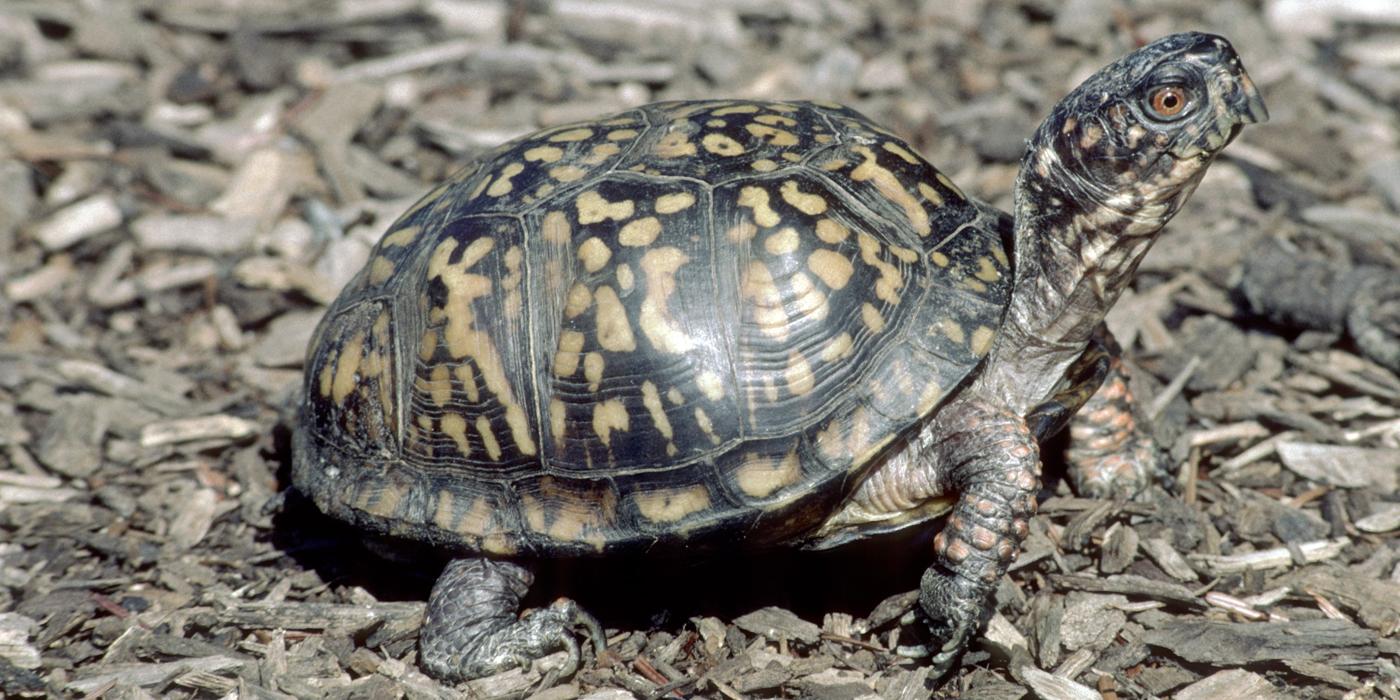
Credit: nationalzoo.si.edu
Conservation Status
The Eastern Box Turtle faces many challenges in the wild. Its conservation status shows how much it needs help. This turtle is not yet endangered but is at risk in some areas. Understanding its threats and protection efforts is key to its survival.
Threats To Survival
Habitat loss is the biggest threat to Eastern Box Turtles. Forests and fields are shrinking due to building and farming. Roads also cause many turtle deaths from cars. Illegal pet trade takes turtles from the wild. Pollution and climate change affect their homes and food. These dangers reduce their numbers every year.
Protection Efforts
Many groups work hard to protect Eastern Box Turtles. Laws limit collecting turtles from the wild. Some states have special rules for their protection. Conservation programs restore habitats and create safe spaces. Public education teaches people not to harm turtles. Volunteers help by monitoring and caring for injured turtles. These efforts aim to keep the species safe.
Care In Captivity
Keeping an Eastern Box Turtle as a pet requires understanding its special needs. These turtles live many years and need a proper environment. Good care helps them stay healthy and happy in your home.
Housing Requirements
Eastern Box Turtles need a spacious enclosure. A large tank or outdoor pen works well. The space should have both sunny and shady spots. Turtles like to hide, so add plants and shelters. Keep the ground moist but not wet. A shallow water dish helps with hydration and soaking.
Dietary Needs
These turtles eat a mix of plants and animals. Offer leafy greens like dandelion and kale. Add fruits such as berries and melons in small amounts. Provide protein through insects like crickets or mealworms. Avoid feeding only one type of food. Fresh water must be available every day.
Common Health Issues
Watch for signs of illness in your turtle. Respiratory infections are common and need quick care. Shell problems can arise from poor diet or habitat. Parasites may cause weight loss or lethargy. Regular vet check-ups help catch problems early. Clean the enclosure often to prevent disease.

Credit: en.wikipedia.org
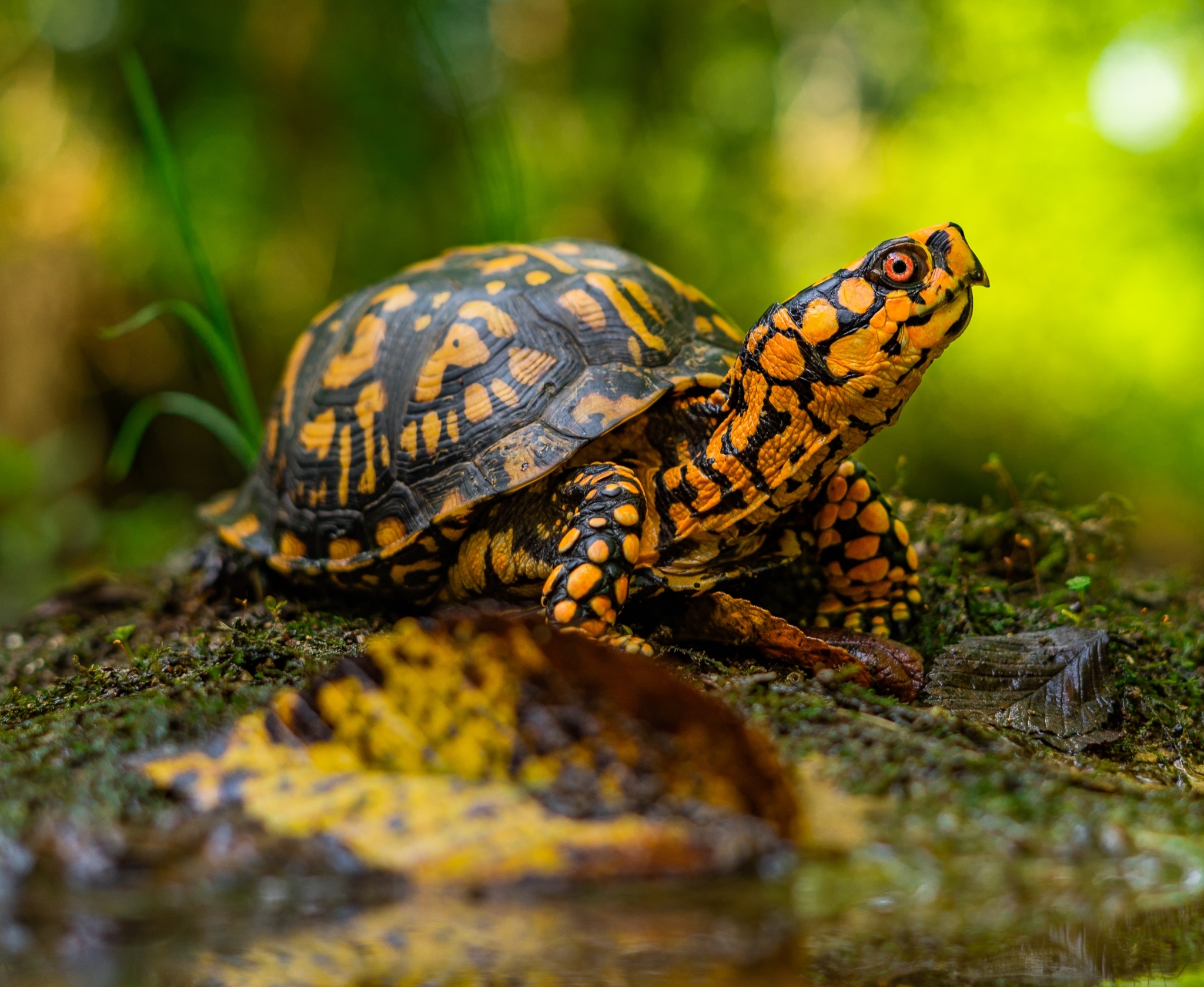
Credit: www.nps.gov
How Smart Pets Lover Can Help You with Eastern Box Turtle
Learning from the Eastern Box Turtle: A Hands-On Approach
Understanding the Eastern Box Turtle goes beyond just knowing its physical traits or habitat. Observing their behavior and activity in a natural or carefully simulated environment offers a rich, practical learning experience. For example, noticing their slow but deliberate movements can teach patience and mindfulness, valuable traits for any pet parent.
When considering care in captivity, hands-on learning about their diet and feeding preferences helps foster responsible ownership. Offering a balanced diet that mimics their natural intake not only supports their health but also deepens your connection with these gentle creatures.
- Observe their seasonal behaviors to appreciate their natural rhythms.
- Keep a journal to track feeding habits and activity levels.
- Engage with communities like Smart Pets Lover for trusted insights and shared experiences.
At Smart Pets Lover, we believe that every interaction with your pet is a story waiting to unfold. Should you have questions or want to share your Eastern Box Turtle journey, feel free to reach out through our website contact form—because informed and confident pet parents make the best companions.
Frequently Asked Questions
What Is The Natural Habitat Of The Eastern Box Turtle?
The Eastern Box Turtle lives in woodlands, meadows, and wetland edges. It prefers moist, forested areas with leaf litter and ample hiding spots for protection and nesting.
How Long Do Eastern Box Turtles Typically Live?
Eastern Box Turtles can live 30 to 40 years in the wild. With proper care in captivity, some may reach over 50 years of age.
What Do Eastern Box Turtles Eat In The Wild?
They are omnivores, eating insects, berries, mushrooms, and plants. Their diet varies seasonally and includes fruits, vegetables, and small invertebrates.
How Can You Tell A Male Eastern Box Turtle Apart?
Males usually have red or bright orange eyes and a concave plastron. Females have brown or yellow eyes and a flat underside shell.
Conclusion
The Eastern Box Turtle is a fascinating creature to learn about. It lives mostly on land and moves slowly but steadily. Protecting its habitat helps keep this turtle safe. Many people enjoy watching these turtles in nature. Simple steps can make a big difference for their future.
Caring for wildlife is important for our world. The Eastern Box Turtle shows how nature stays strong and balanced. Keep appreciating these turtles and share what you know.