Whisker Shrimp
Have you ever heard of whisker shrimp? These tiny, fascinating creatures might be small, but they play a big role in underwater ecosystems.
If you’re curious about what makes whisker shrimp unique and why they deserve a spot in your aquarium or nature knowledge, you’re in the right place. By the end of this article, you’ll discover surprising facts that could change the way you see these little marvels.
Ready to dive in and unlock the secrets of whisker shrimp? Let’s get started!

Credit: www.reddit.com
Whisker Shrimp Basics
Whisker shrimp are small, fascinating creatures found in water bodies worldwide. They play an important role in aquatic ecosystems. Their unique features and behaviors make them interesting to study and observe.
These shrimp get their name from the long, thin antennae that look like whiskers. These whiskers help them sense their surroundings and find food. Understanding their basics helps appreciate their place in nature.
Physical Features
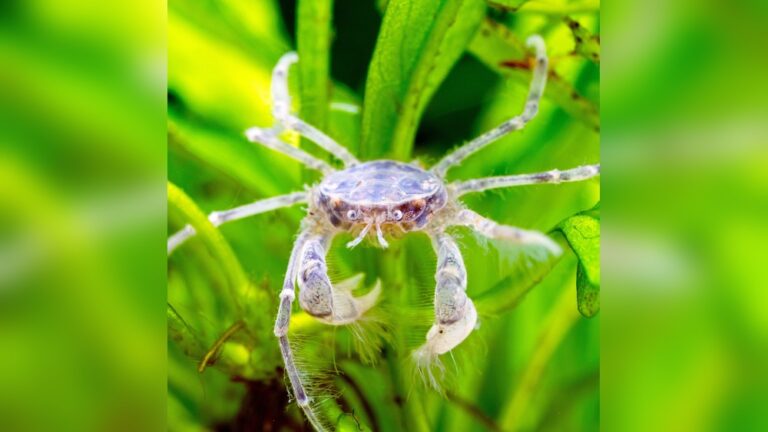
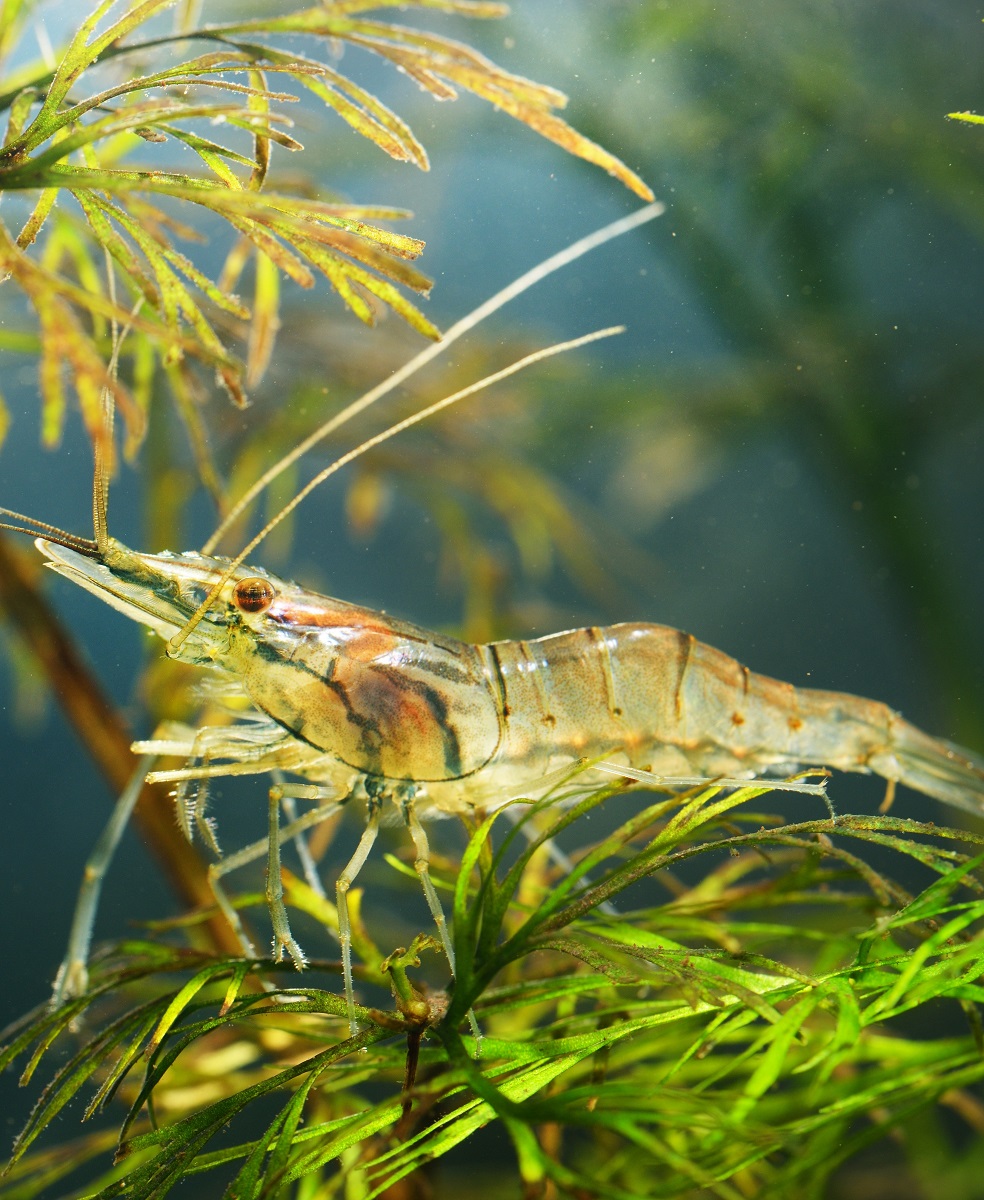
Whisker shrimp have a slender, translucent body. Their colors range from clear to light shades of pink, brown, or green. The most striking feature is their long antennae. These antennae can be twice the length of their body.
The shrimp’s body is segmented with small legs used for walking and swimming. They have tiny claws to catch and hold food. Their eyes are on stalks, allowing them to see in many directions.
Natural Habitat
Whisker shrimp live mainly in freshwater and saltwater environments. You can find them in rivers, lakes, and coastal waters. They prefer areas with plenty of plants and hiding spots.
These shrimp often stay near the bottom, hiding under rocks or leaves. They feed on small particles, algae, and detritus. Their habitat provides food and protection from predators.
Credit: www.theshrimpfarm.com
Behavior And Diet
Whisker shrimp are fascinating creatures known for their unique behavior and eating habits. Understanding their behavior and diet helps in appreciating their role in aquatic ecosystems. These shrimp use their whiskers to explore and find food. Their diet and social actions play a big part in how they survive and interact with their environment.
Feeding Habits
Whisker shrimp use their long whiskers to sense food in water. They eat small plants, algae, and tiny animals. These shrimp often pick food from surfaces like rocks and plants. They are scavengers, cleaning up leftover food and debris. Their diet helps keep the water clean and healthy.
They feed mostly at night, using their whiskers to find food in the dark. Their eating helps balance the ecosystem by controlling algae growth. Whisker shrimp rarely eat large prey. They prefer small, easy-to-find food sources.
Social Interactions
Whisker shrimp are social animals and often live in groups. They communicate through touching and moving their whiskers. This helps them share information about food and danger. Group living offers protection from predators.
They show simple behaviors like chasing each other or cleaning one another. These actions strengthen their social bonds. Whisker shrimp avoid fighting unless competing for food or mates. Their calm nature helps them live peacefully in groups.
Whisker Shrimp In Aquariums
Whisker shrimp make a fascinating addition to home aquariums. Their unique appearance and lively behavior attract many hobbyists. These small creatures help keep tanks clean by eating leftover food and algae. They are peaceful and easy to care for, suitable for beginners.
Setting up the right environment is key. Proper care ensures they thrive and stay healthy. Understanding their needs helps create a balanced tank ecosystem.
Tank Setup
Choose a tank of at least 10 gallons for whisker shrimp. Provide plenty of hiding spots using plants and decorations. Use fine gravel or sand as the substrate. Avoid sharp objects that can harm their delicate bodies. A well-planted tank mimics their natural habitat. Keep the tank covered to prevent shrimp from jumping out.
Water Conditions
Maintain water temperature between 72°F and 78°F (22°C to 26°C). The pH level should stay between 6.5 and 7.5. Keep water hardness moderate for best health. Perform regular water changes to avoid harmful toxins. Use a gentle filter to keep water clean without strong currents. Test water parameters weekly to catch issues early.
Tank Mates
Choose peaceful fish that will not bother the shrimp. Small tetras, guppies, and snails are good companions. Avoid large or aggressive fish that may eat or stress them. Shrimp also do well with other small invertebrates. Keep the tank community calm and balanced for shrimp safety.

Credit: aquariumbreeder.com
Breeding Whisker Shrimp
Breeding Whisker Shrimp can be a rewarding experience for aquarium hobbyists. These small creatures have unique behaviors and needs during reproduction. Understanding their breeding habits helps in creating the right environment. It also increases the chances of successful breeding and healthy offspring.
Whisker Shrimp reproduce by laying eggs, which the female carries until they hatch. Providing clean water and proper food supports this process. Patience is key, as the breeding cycle takes time and care.
Breeding Process
Whisker Shrimp begin breeding when the female molts, shedding her old shell. She releases pheromones that attract males nearby. Males then swim actively to find the female. After mating, the female carries fertilized eggs under her abdomen.
The eggs develop over several weeks. During this time, the female fans them to supply oxygen. A calm tank with stable water conditions helps protect the eggs. Avoid sudden changes in temperature or water quality.
Raising The Young
Once the eggs hatch, tiny shrimp larvae emerge. These larvae need special care in the first weeks. Feed them fine foods like powdered shrimp food or algae. Keep the water clean and free of strong currents.
Young shrimp grow slowly and molt several times. Offer hiding places with plants or decorations. This reduces stress and increases survival rates. Regular water checks and gentle feeding support healthy growth.
Common Health Issues
Whisker shrimp are fascinating creatures that bring life to any aquarium. Like all pets, they can face health problems. Knowing common health issues helps keep them safe and happy. This section highlights signs of illness and ways to prevent health problems.
Signs Of Illness
Look for changes in behavior or appearance. Shrimp that stop moving or hide too much may be sick. Watch for discoloration or spots on their shells. Loss of appetite is another red flag. Damaged or missing whiskers can signal stress or injury. Sudden death without signs also means a problem.
Preventive Care
Clean water is the best way to prevent illness. Regular water changes keep toxins low. Maintain stable temperature and pH levels. Avoid overfeeding; leftover food harms water quality. Quarantine new shrimp before adding them. Use a balanced diet to boost shrimp immunity. Remove sick or dead shrimp quickly to protect others.
Interesting Facts
Whisker shrimp are fascinating creatures with many unique traits. Their behaviors and features make them special in the underwater world. Discover these interesting facts to learn more about these tiny yet amazing animals.
What Are Whisker Shrimp?
Whisker shrimp are small crustaceans with long, thin antennae. These antennae look like delicate whiskers. They use them to sense their surroundings and find food.
Unique Antennae Functions
The whiskers help shrimp detect tiny movements in water. They can sense nearby predators or prey. This helps them stay safe and catch food easily.
Color And Camouflage
Whisker shrimp often have bright colors or patterns. These colors help them blend into coral reefs or sea plants. Camouflage protects them from enemies.
Social Behavior
Many whisker shrimp live in groups called colonies. They communicate with each other using their whiskers. This helps them share information about danger or food.
Role In The Ecosystem
Whisker shrimp clean the ocean floor by eating dead plants and animals. They help keep the water healthy. Many fish rely on them for food.
How Smart Pets Lover Can Help You with Whisker Shrimp
Learning Through Whisker Shrimp Care
Getting to know whisker shrimp offers more than just a glimpse into their unique behavior and diet—it opens up a world of practical learning. Observing their social interactions and feeding habits can teach patience and attentiveness, qualities every pet parent values. If you’ve explored their care in aquariums or even ventured into breeding whisker shrimp, you’ve likely encountered the importance of maintaining a healthy environment, which ties directly into understanding common health issues these creatures face.
At Smart Pets Lover, we believe that every pet experience, from curious crustaceans to playful pups, builds confidence and connection. These small crustaceans invite you to develop skills like habitat management and responsible care, reinforcing that thoughtful attention leads to thriving pets. If questions arise or you want to deepen your knowledge, don’t hesitate to reach out to local aquarium communities or pet care experts—sometimes the best insights come from shared stories and hands-on advice.
Remember, caring for whisker shrimp is more than a hobby; it’s a meaningful way to engage with nature’s tiny wonders and grow as a compassionate pet parent.
Frequently Asked Questions
What Is A Whisker Shrimp?
Whisker shrimp are small crustaceans known for their long antennae. They play a vital role in aquatic ecosystems by cleaning algae and detritus. These shrimp are popular in freshwater and marine aquariums for their unique appearance and helpful behavior.
How Do Whisker Shrimp Benefit Aquariums?
Whisker shrimp help maintain aquarium cleanliness by eating algae and leftover food. Their scavenging reduces waste buildup, improving water quality. This natural cleaning makes them valuable companions in both freshwater and saltwater tanks.
What Do Whisker Shrimp Eat?
Whisker shrimp primarily feed on algae, detritus, and biofilm. They also consume leftover fish food and decaying plant matter. Their diet helps keep tanks clean and supports a balanced aquatic environment.
Are Whisker Shrimp Easy To Care For?
Yes, Whisker shrimp are generally low-maintenance pets. They require stable water conditions and a balanced diet. Avoid aggressive tank mates to ensure their safety and promote a healthy environment.
Conclusion
Whisker shrimp are fascinating creatures with unique features. They play an important role in underwater ecosystems. Watching their behavior can be both fun and educational. Keeping them in home aquariums requires care and attention. Their delicate nature makes them interesting pets for hobbyists.
Learning about whisker shrimp helps us appreciate marine life more. Small but full of surprises. A little creature with a big impact.