Cherry Shrimp
If you’ve ever wanted a splash of vibrant color in your aquarium without much hassle, cherry shrimp might be exactly what you need. These tiny, bright red creatures are not only beautiful but also easy to care for, making them perfect for both beginners and experienced hobbyists.
Imagine watching your tank come alive with their lively movements and stunning hues. You’ll discover everything you need to know to keep your cherry shrimp happy and thriving. Ready to transform your aquarium into a lively underwater garden? Let’s dive in!
Cherry Shrimp Basics
Cherry shrimp are small freshwater creatures popular in home aquariums. They bring color and life to fish tanks. They are easy to care for and fun to watch. Knowing their basics helps keep them healthy and happy.
Physical Features
Cherry shrimp are tiny, about 1 to 1.5 inches long. They have bright red bodies that can vary in shade. Some are light red, others very deep red. Their bodies are slightly transparent, showing their internal parts. They have long antennae and many tiny legs. Their shell is smooth and hard, protecting them well.
Natural Habitat
Cherry shrimp come from streams and rivers in Asia. They like clean water with plants and rocks. They live in calm water with low current. Their home water is usually cool and clear. Plants give them food and places to hide from predators.
Setting Up A Cherry Shrimp Tank
Setting up a cherry shrimp tank creates a peaceful and colorful underwater world. These tiny creatures need a proper environment to thrive. A well-prepared tank helps them live healthy and active lives. Small details make a big difference for cherry shrimp care.
Tank Size And Equipment
A tank of at least 5 gallons is ideal for cherry shrimp. Small tanks can work but need careful maintenance. A gentle filter is important to keep water clean without harming shrimp. An air pump is optional but helps oxygenate the water. Use a heater only if your room temperature drops below 65°F (18°C).
Water Parameters
Cherry shrimp prefer water with a pH between 6.5 and 7.5. Keep the temperature steady from 68°F to 78°F (20°C to 26°C). Water hardness should be moderate, about 4 to 8 dGH. Test the water regularly to avoid harmful chemicals. Avoid chlorine and ammonia to keep shrimp safe.
Substrate And Plants
A dark, fine gravel or sand substrate works best for cherry shrimp. It helps shrimp find food and feel secure. Live plants like Java moss and Anubias offer hiding spots and improve water quality. Plants also provide surfaces for shrimp to graze on algae. Avoid sharp decorations that can injure your shrimp.
Feeding Cherry Shrimp
Feeding Cherry Shrimp is simple and fun. These little creatures eat a variety of foods. Knowing what to feed helps keep them healthy and active.
Diet Options
Cherry Shrimp eat algae, biofilm, and plant matter. They enjoy blanched vegetables like spinach and zucchini. Special shrimp pellets provide balanced nutrition. Avoid overfeeding to prevent water pollution. Small amounts of protein, such as frozen bloodworms, are good treats.
Feeding Frequency
Feed Cherry Shrimp once a day or every other day. Give only what they can eat in two hours. Remove leftover food to keep water clean. Young shrimp need more frequent feeding than adults. Observing their behavior helps adjust feeding times and amounts.

Credit: www.amazon.com
Breeding Cherry Shrimp
Breeding Cherry Shrimp is a rewarding activity for aquarium enthusiasts. These small creatures reproduce easily under the right conditions. Understanding their breeding habits helps increase the success rate. It also ensures the health of both adults and offspring.
Cherry Shrimp breed naturally in freshwater tanks. They need stable water conditions and proper nutrition. Patience is key, as shrimp grow and develop at their own pace. Let’s explore their mating behavior, egg development, and raising juveniles.
Mating Behavior
Cherry Shrimp mate shortly after females molt. Molting is when they shed their old shell. Males detect this by sensing pheromones in the water. They become more active and search for molted females. Mating usually happens quickly and quietly. Males may compete for the female’s attention. Successful mating leads to fertilized eggs carried by the female.
Egg Development
Females carry eggs under their tails for several weeks. The eggs are small, round, and greenish. Females constantly fan the eggs to keep them clean. Proper water quality is vital during this stage. Eggs develop faster in warmer water but not too hot. After 2 to 4 weeks, tiny shrimp hatch from the eggs.
Raising Juveniles
Newborn shrimp are very small and vulnerable. They need safe places to hide from predators. Fine plants and moss work well as shelters. Feed juveniles with tiny food like algae and powdered shrimp food. Keep water clean and stable to avoid stress. Juveniles grow quickly, molting several times in weeks. Healthy juveniles mature into bright red adults ready to breed.
Common Health Issues
Cherry shrimp are popular pets for their bright color and small size. Like all creatures, they can get sick. Knowing common health problems helps keep them safe and happy. Watch them closely for any changes in behavior or appearance. Early signs of illness allow quick care and better outcomes.
Disease Signs
Look for faded or dull color on their shells. Shrimp that hide more than usual might be stressed or sick. Slow or no movement can mean trouble. White spots or fuzzy growths on their bodies show infections. If shrimp lose limbs or have damaged shells, check water quality. Changes in eating habits also signal health issues.
Prevention Tips
Keep water clean and stable. Test water often for ammonia, nitrites, and nitrates. Feed shrimp good quality food in small amounts. Avoid overcrowding the tank to reduce stress. Quarantine new shrimp before adding them to the main tank. Remove uneaten food and waste regularly. Maintain proper temperature and pH levels for their comfort.

Credit: www.reddit.com
Tank Mates For Cherry Shrimp
Choosing the right tank mates for Cherry Shrimp is important. It helps keep them safe and happy. Some fish and creatures live well with Cherry Shrimp. Others might harm or eat them. Understanding which species are safe helps create a peaceful tank.
Compatible Species
Small, peaceful fish work best with Cherry Shrimp. Examples include Neon Tetras, Endler’s Livebearers, and Celestial Pearl Danios. Snails like Nerite and Mystery snails also get along well. These species do not bother the shrimp or compete for food. They help keep the tank balanced and lively.
Shrimp can also live with other types of shrimp, such as Amano Shrimp. Just avoid overcrowding to reduce stress and fights. Plants and hiding spots improve comfort for all tank mates.
Avoiding Predators
Large or aggressive fish can harm Cherry Shrimp. Fish like Cichlids, Betta, and Goldfish may eat them. Avoid keeping these in the same tank. Predators cause stress and reduce shrimp numbers quickly.
Always watch new fish before adding them. Look for signs of aggression. Provide many hiding places with plants and decorations. This helps shrimp escape threats and feel secure.
Enhancing Color And Growth
Cherry shrimp are popular for their bright red color and active behavior. Enhancing their color and growth helps keep them healthy and beautiful. Small changes in diet and tank setup can make a big difference. Healthy shrimp show vibrant colors and grow steadily.
Diet Supplements
Diet plays a key role in shrimp color and growth. Foods rich in carotenoids improve red and orange hues. Spirulina, algae wafers, and specially made shrimp pellets work well. Feed small amounts daily to avoid water pollution. Occasional blanched vegetables like spinach or zucchini add nutrients. Balanced feeding supports strong shells and better color.
Optimal Conditions
Water quality affects shrimp health and color. Keep temperature between 72 and 78 degrees Fahrenheit. Maintain pH around 6.5 to 7.5 for best results. Clean water with regular changes helps shrimp grow fast. Avoid sudden changes in water parameters. Provide hiding places with plants and decorations. Stress-free shrimp display brighter colors and grow steadily.
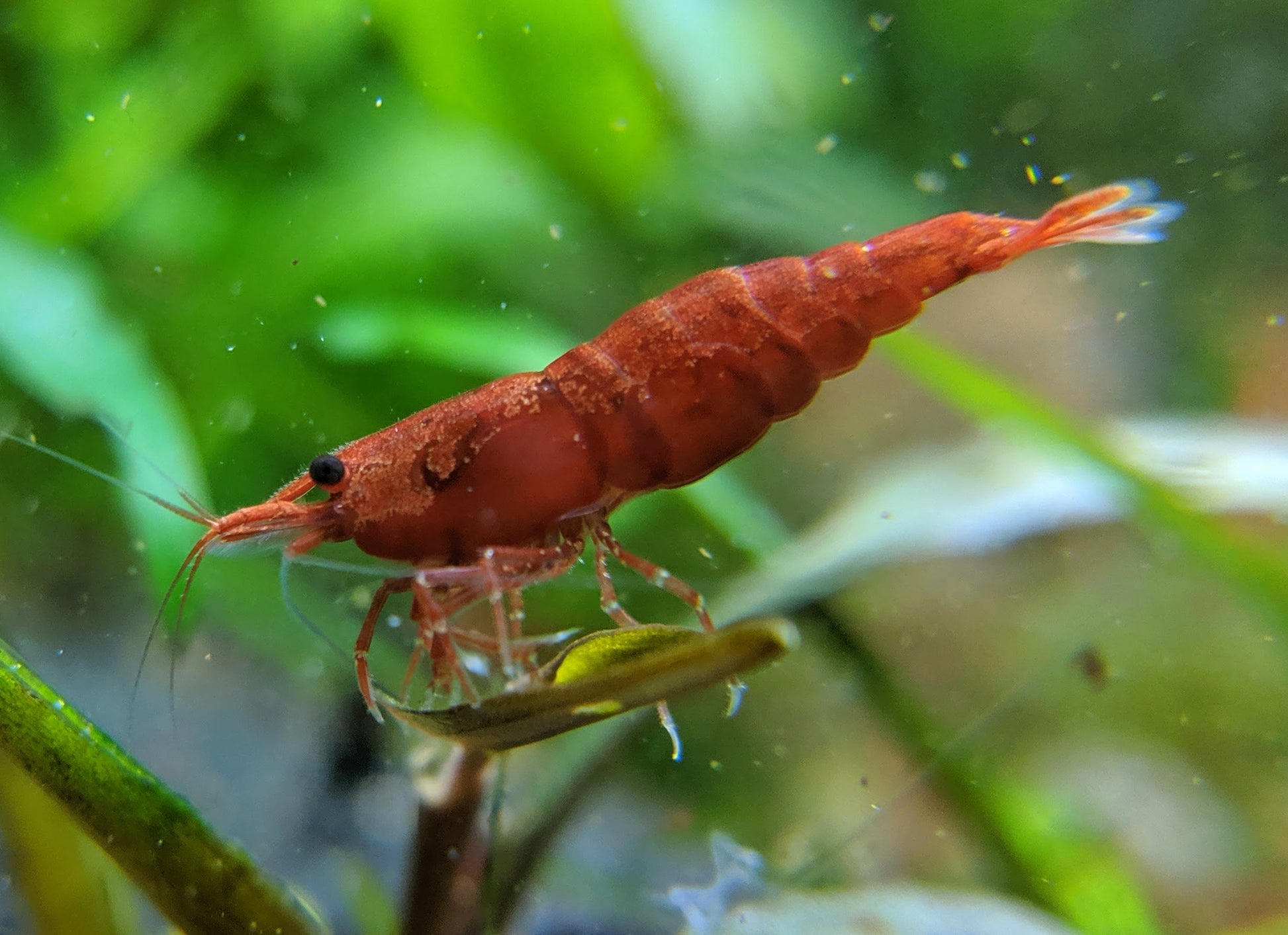
Credit: shrimpybusiness.com
How Smart Pets Lover Can Help You with Cherry Shrimp
Learning Through Caring for Cherry Shrimp
For anyone drawn to the gentle world of Cherry Shrimp, the journey offers more than just a colorful aquarium—it’s a practical classroom in aquatic care. As you set up your shrimp tank, paying attention to water parameters and habitat mimics not only supports their health but also sharpens your observation skills. Feeding routines teach patience and responsibility, while watching breeding behaviors reveal fascinating insights into aquatic life cycles.
Encountering common health issues encourages problem-solving and research, deepening your understanding of shrimp welfare and water chemistry. Pairing shrimp with suitable tank mates further highlights the balance required in shared habitats, promoting thoughtful pet ownership.
At Smart Pets Lover, we believe every interaction with your pets is an opportunity to connect and learn. If you ever want to explore more about Cherry Shrimp care or have questions, reaching out to trusted pet communities or consulting expert resources can be invaluable. Embracing these moments helps transform simple hobbyist efforts into a rewarding, lifelong bond with your aquatic companions.
Frequently Asked Questions
What Is The Ideal Tank Size For Cherry Shrimp?
A 5-gallon tank is ideal for Cherry Shrimp. It provides enough space and stable water conditions. Larger tanks help maintain water quality and reduce stress on shrimp.
How Often Should I Feed Cherry Shrimp?
Feed Cherry Shrimp once daily with shrimp-specific food or blanched vegetables. Avoid overfeeding to prevent water pollution. They also eat algae and biofilm naturally.
What Water Parameters Suit Cherry Shrimp Best?
Cherry Shrimp thrive in water with pH 6. 5-7. 5, temperature 65-80°F, and low ammonia. Regular water changes help maintain these parameters for healthy shrimp.
Can Cherry Shrimp Live With Other Fish?
Yes, but choose peaceful, small fish to avoid predation. Avoid aggressive or large fish that may harm shrimp. Provide plenty of hiding spots for safety.
Conclusion
Cherry shrimp add color and life to any aquarium. They are easy to care for and fun to watch. These small creatures help keep the tank clean. Their peaceful nature makes them great for community tanks. With simple care, they can thrive for a long time.
Enjoy the beauty and calm they bring to your home. Try adding cherry shrimp to your tank today.