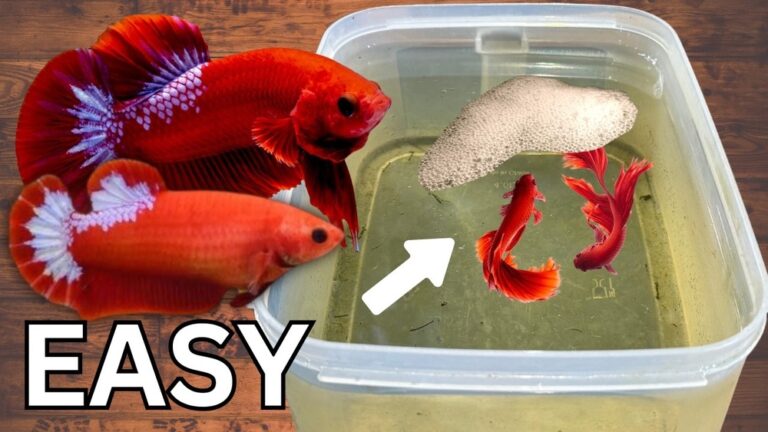
The Complete Eguide To Aquarium Fish Breeding
Are you ready to take your aquarium hobby to the next level? Breeding fish can be one of the most rewarding and exciting parts of keeping an aquarium.
But it can also feel overwhelming if you don’t know where to start. This complete eGuide to aquarium fish breeding is designed just for you. Inside, you’ll discover easy-to-follow tips, proven techniques, and expert advice that will help you successfully breed your fish at home.
Whether you’re a beginner or have tried before without success, this guide will give you the confidence and knowledge you need to see real results. Keep reading, and soon you’ll be watching your fish grow and thrive like never before.
Credit: www.fishkeepingworld.com
Selecting Breeding Fish
Selecting the right fish for breeding is a key step in aquarium fish breeding. Healthy, compatible fish improve the chances of successful breeding. Choosing the best breeding fish sets the foundation for strong offspring. This section guides you through picking healthy specimens, finding breeding pairs, and understanding species compatibility.
Choosing Healthy Specimens
Start by picking fish that look active and alert. Avoid fish with spots, torn fins, or dull colors. Bright eyes and smooth scales show good health. Watch fish swim to check for balance and energy. Healthy fish resist disease and breed better. Always quarantine new fish to prevent illness spread.
Identifying Breeding Pairs
Look for fish showing breeding behavior, like chasing or nest building. Males often display brighter colors during breeding time. Females may appear fuller when carrying eggs. Some species have distinct male and female shapes or sizes. Keep pairs together to observe their interactions closely. Successful pairs often show signs of bonding.
Species Compatibility
Choose fish from the same species for best results. Different species rarely breed successfully together. Some species tolerate others but avoid mixing aggressive fish. Research each species’ breeding needs and conditions. Water temperature, pH, and tank setup affect compatibility. Compatible fish reduce stress and increase breeding chances.
Setting Up The Breeding Tank
Setting up the breeding tank is the first step in successful fish breeding. The tank must create a safe and calm space for fish to spawn and grow. Proper setup helps reduce stress for both parents and fry. Careful attention to size, water, and decor ensures a good environment.
Tank Size And Environment
Choose a tank size that fits the fish species. Small fish need smaller tanks, while larger fish require more space. A tank between 10 and 20 gallons works for many breeders. Keep the tank quiet and away from heavy traffic. Stable lighting helps simulate natural day and night cycles.
Water Conditions And Filtration
Maintain clean, stable water to encourage breeding. Use a gentle filter to avoid strong currents. Test water regularly for pH, temperature, and hardness. Most breeding fish prefer slightly warm water between 75 and 80°F. Perform small water changes often to keep water fresh.
Decor And Spawning Sites
Decorate the tank with plants, rocks, or spawning mops. These provide hiding places and surfaces for eggs. Use smooth stones or flat leaves for egg-laying species. Avoid sharp objects that could harm eggs or fry. Plants also improve water quality and comfort for the fish.
Breeding Techniques
Breeding aquarium fish requires understanding different techniques. These methods help create the best environment for fish to reproduce. Choosing the right technique depends on the fish species and the breeder’s experience. Each method has unique steps and care rules to ensure success.
Learning these techniques improves the chance of healthy offspring. Patience and attention to detail are key for every breeding process.
Natural Spawning Methods
Natural spawning is the most common way fish breed in tanks. Fish lay eggs and fertilize them without human help. This method works well for many popular aquarium species. The tank must mimic natural conditions like temperature and light. Plants or spawning mops provide places for eggs. Keep water clean and stable to encourage spawning. Watch fish behavior to spot signs of breeding readiness.
Induced Breeding
Induced breeding uses special techniques to start spawning. It helps when fish do not breed naturally in captivity. Hormones or temperature changes often trigger spawning. This method needs careful handling and knowledge. It is common in commercial breeding or rare species care. The breeder controls the environment closely to support egg laying and fertilization.
Egg Collection And Care
Collecting eggs is crucial after spawning. Eggs must be moved to a safe tank or container quickly. Use gentle tools to avoid damage. Keep water clean and oxygen-rich for egg health. Remove unfertilized or fungus-infected eggs to protect others. Maintain steady temperature and light to help eggs develop. Watch for hatching signs and prepare for fry care.
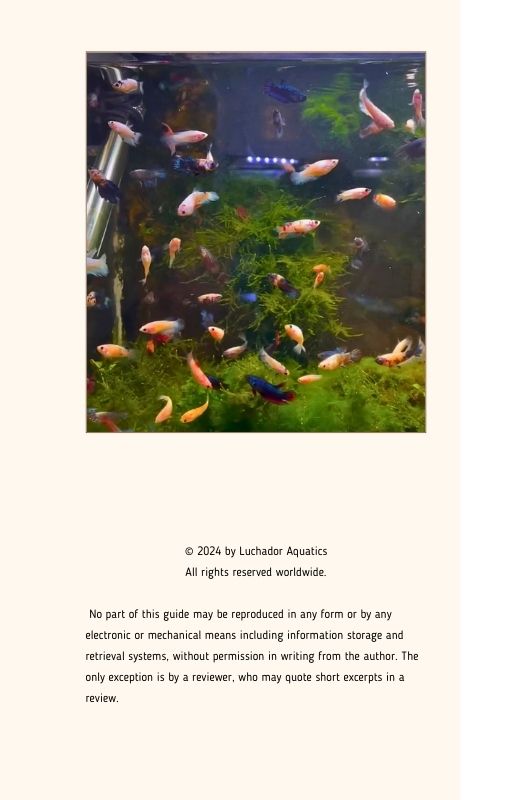
Credit: luchadoraquatics.com
Caring For Fry
Caring for fry is a crucial step in aquarium fish breeding. These tiny fish need special attention. Their survival depends on proper care during the first weeks. Small mistakes can lead to stress or death. Understanding their needs helps ensure healthy growth.
Feeding And Nutrition
Fry have small mouths and weak digestive systems. Feed them tiny, easy-to-digest foods. Baby brine shrimp and finely crushed flakes work well. Feed small amounts several times a day. Avoid overfeeding to keep the water clean.
Tank Maintenance
Keep the tank clean to protect the fry. Remove uneaten food and waste daily. Use a gentle filter to avoid sucking in the fry. Change 10-20% of the water weekly with fresh, dechlorinated water. Maintain stable temperature and pH for their comfort.
Preventing Diseases
Fry are sensitive to diseases due to weak immunity. Quarantine new fish before adding them to the tank. Observe the fry daily for signs of illness. Use clean equipment and wash hands before tank work. Treat the water with safe medications if needed.
Common Challenges
Breeding aquarium fish is exciting but not without its challenges. Many hobbyists face common problems that can slow progress or harm the fish. Understanding these challenges helps create a better environment for breeding success.
Some issues may seem small but cause big setbacks. Addressing them early improves your chances of healthy fry and happy fish. Focus on key areas to avoid common pitfalls in fish breeding.
Dealing With Aggression
Aggression among fish can disrupt breeding efforts. Males may fight over territory or mates. This stress lowers breeding chances and can cause injuries.
Separate aggressive fish or provide plenty of hiding spots. Use plants and decorations to break sight lines. Monitor fish behavior daily to catch problems early.
Managing Water Quality
Clean water is vital for breeding success. Poor water quality harms eggs and fry. Regular water changes keep toxins low.
Test water parameters often. Keep temperature, pH, and hardness stable. Avoid overfeeding to reduce waste buildup. A healthy tank boosts fish health and breeding results.
Troubleshooting Breeding Failures
Breeding failures happen for many reasons. Eggs may not hatch or fry may die soon after. Check water conditions and feeding routines first.
Ensure fish are mature and ready to breed. Use proper breeding pairs to avoid genetic issues. Patience and observation help identify and fix problems quickly.
Advanced Breeding Tips
Advanced breeding in aquarium fish requires patience and careful planning. These tips help hobbyists improve fish quality and success rates. Focus on genetics, compatibility, and detailed tracking to see better results.
Selective Breeding
Selective breeding means choosing fish with the best traits. Pick strong, healthy fish with colors you want. Breed them to enhance these traits in future generations. This process improves fish appearance and health over time. Avoid breeding fish with defects or poor health.
Hybridization
Hybridization mixes two different fish species or strains. It can create unique colors and patterns. Not all hybrids survive well, so choose compatible species. Observe offspring carefully for health and traits. Use this method to explore new fish varieties.
Record Keeping
Keep detailed records of each breeding pair and their offspring. Note dates, traits, and health conditions. This information helps track progress and avoid inbreeding. Use simple charts or digital tools to organize data. Good records lead to smarter breeding choices.
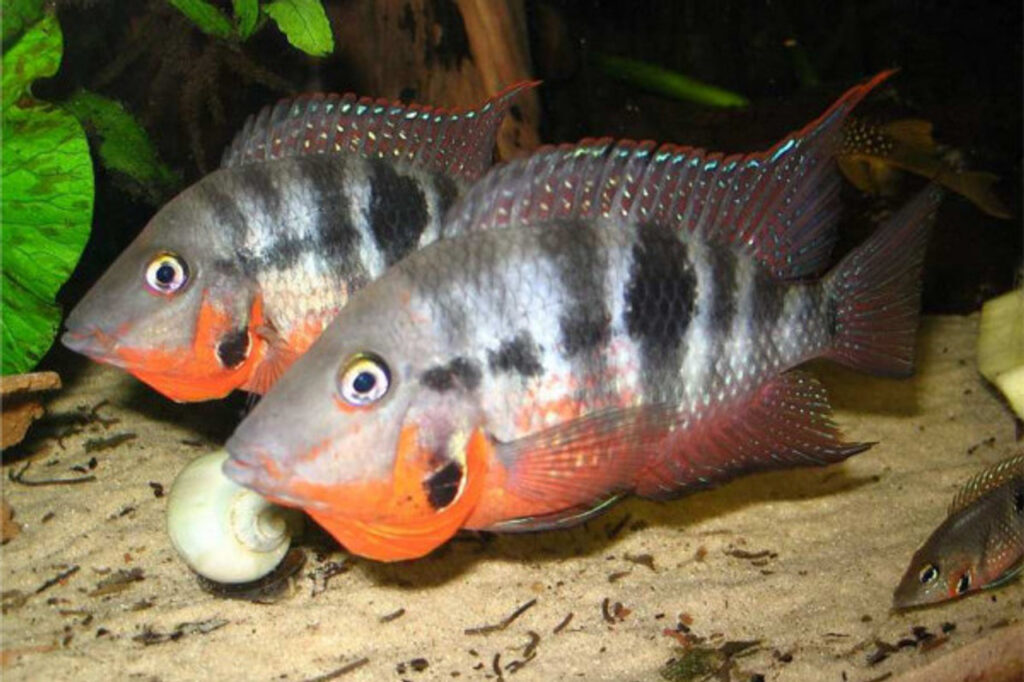
Credit: cichlidcareguides.com
How Smart Pets Lover Can Help You with The Complete Eguide To Aquarium Fish Breeding
Bringing Theory to Life: Practical Steps for Successful Aquarium Fish Breeding
Embarking on the journey of aquarium fish breeding can feel both exciting and a bit daunting. After exploring key topics like selecting breeding fish and caring for fry, the next step is hands-on learning. Setting up the breeding tank isn’t just about equipment—it’s about creating a nurturing environment where your fish feel safe to spawn and thrive.
Remember, every challenge you encounter is a chance to deepen your connection with these fascinating creatures. Observing breeding techniques in real time sharpens your understanding, while attentive care for the fry helps build confidence in your skills. At Smart Pets Lover, we believe that informed pet parents create the happiest habitats. If you ever need guidance or want to share your experiences, feel free to reach out via our contact page.
Patience and curiosity are your best companions here—every little success tells a story worth celebrating.
Frequently Asked Questions
What Are The Best Fish Species For Breeding In Aquariums?
Livebearers like guppies, mollies, and swordtails are ideal for beginners. They breed easily and have high survival rates. Cichlids and bettas are also popular but require more care. Choose species based on your experience and tank conditions for successful breeding.
How Do I Prepare An Aquarium For Fish Breeding?
Set up a separate breeding tank with clean, warm water and stable conditions. Use plants or breeding mops for egg-laying species. Maintain proper filtration and lighting. Avoid overcrowding and monitor water parameters regularly to ensure a safe environment for breeding.
What Is The Best Diet For Breeding Aquarium Fish?
Feed fish high-quality, protein-rich foods like live or frozen brine shrimp and bloodworms. Supplement with flakes or pellets designed for breeding. A varied diet boosts health and fertility, improving breeding success and fry development.
How Can I Care For Fish Fry After Hatching?
Provide gentle filtration and maintain warm, clean water. Feed fry infusoria or specialized fry food initially. Increase food size gradually as they grow. Keep them in a separate tank to avoid predation and monitor growth daily.
Conclusion
Breeding aquarium fish can be simple with the right steps. Start by choosing healthy fish and setting up a clean tank. Watch the water conditions closely to keep fish safe. Feeding the fish well helps them grow strong and ready to breed.
Patience is key; breeding takes time and care. Enjoy the process and learn from each attempt. This guide gives you a clear path to success. Keep trying, and your aquarium will soon be full of lively baby fish.