What Do Sucker Fish Eat
Have you ever wondered what sucker fish eat and why their diet is so unique? If you’re curious about these fascinating creatures and want to learn what fuels their survival, you’re in the right place.
Understanding what sucker fish eat can help you care for them better or simply satisfy your curiosity about nature’s little helpers. Keep reading to discover surprising facts about their diet that might change the way you see these underwater cleaners forever.
Types Of Sucker Fish
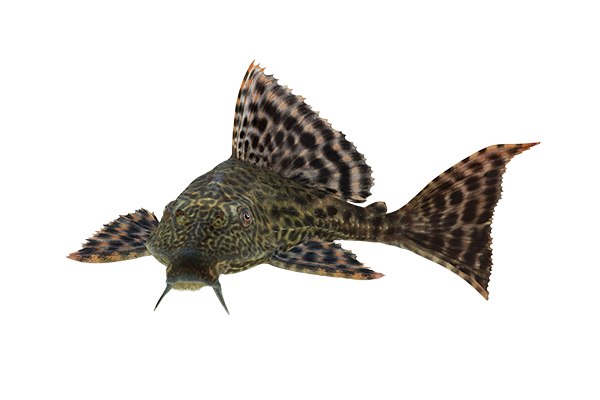
Sucker fish belong to a diverse group of species found in fresh and saltwater. Each type has unique features and diets. Understanding the types helps to know what sucker fish eat. Their habits and food sources vary across different environments.
Common Sucker Fish
Common sucker fish live mostly in freshwater rivers and lakes. They have strong mouths to cling onto rocks and plants. Their diet includes algae, small insects, and tiny aquatic animals. These fish scrape food from surfaces using their sucker-like mouths.
Giant Sucker Fish
Giant sucker fish grow much larger than common types. They live in large rivers and deep waters. These fish eat plants, small fish, and organic debris. Their strong sucking ability helps them feed in fast-moving water.
Marine Sucker Fish
Marine sucker fish live in oceans attached to bigger animals. They eat parasites and dead skin from hosts like sharks and whales. This diet helps keep their hosts clean. Marine suckers have specialized mouths to hold on tightly.
Algae Sucker Fish
Algae sucker fish focus mostly on eating algae and plant matter. They live in streams and ponds with lots of vegetation. These fish keep water surfaces clean by feeding on algae growth. Their diet supports a balanced ecosystem.
Credit: www.aqueon.com
Natural Diet In The Wild
Sucker fish have a unique diet that helps them survive in various water environments. Their natural diet depends on what is available in their habitat. They use their special mouths to stick to surfaces and feed on different types of food. Understanding what sucker fish eat in the wild reveals how they stay healthy and grow strong.
Algae And Plant Matter
Sucker fish eat a lot of algae. They scrape algae off rocks and plants with their mouths. This green food is full of nutrients and easy to find. Eating algae helps sucker fish get energy and stay healthy. They also nibble on soft plant matter found in the water. This diet keeps them nourished and active.
Small Invertebrates
Small animals like insects, larvae, and tiny crustaceans are part of the sucker fish diet. These creatures provide protein that helps fish grow. Sucker fish catch these invertebrates from the water or near surfaces. Eating these tiny animals makes their diet balanced and rich in nutrients.
Detritus And Organic Debris
Sucker fish also feed on detritus. This includes dead plant and animal parts floating or settled in the water. Organic debris provides important minerals and energy. It is a reliable food source when other options are scarce. Their ability to eat detritus helps them survive in tough conditions.
Feeding Behavior
Sucker fish have unique feeding behaviors that help them survive in different water environments. They use their special mouths to attach to surfaces and gather food efficiently. Their feeding habits vary depending on the species and habitat.
Scraping And Grazing Techniques
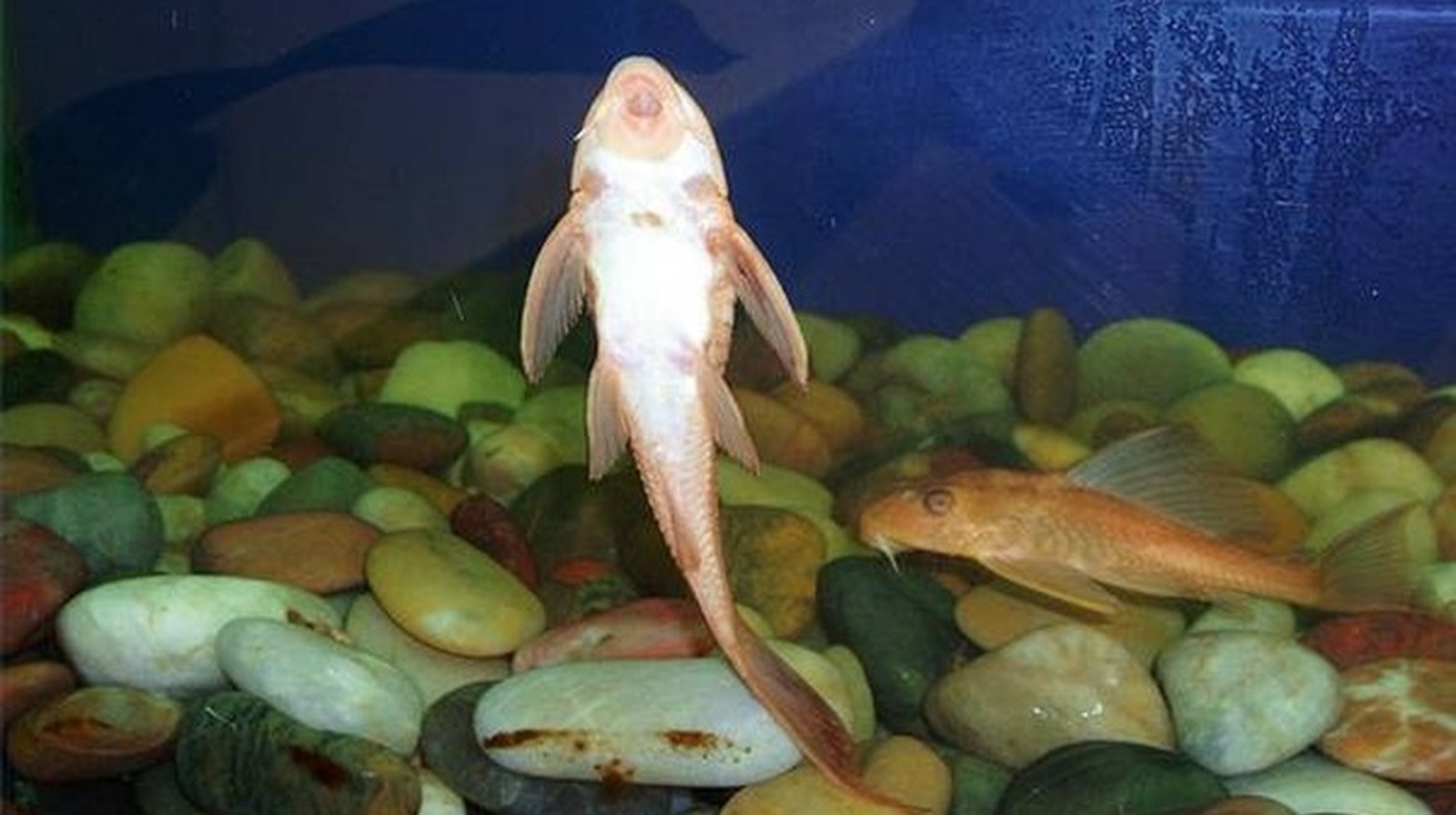
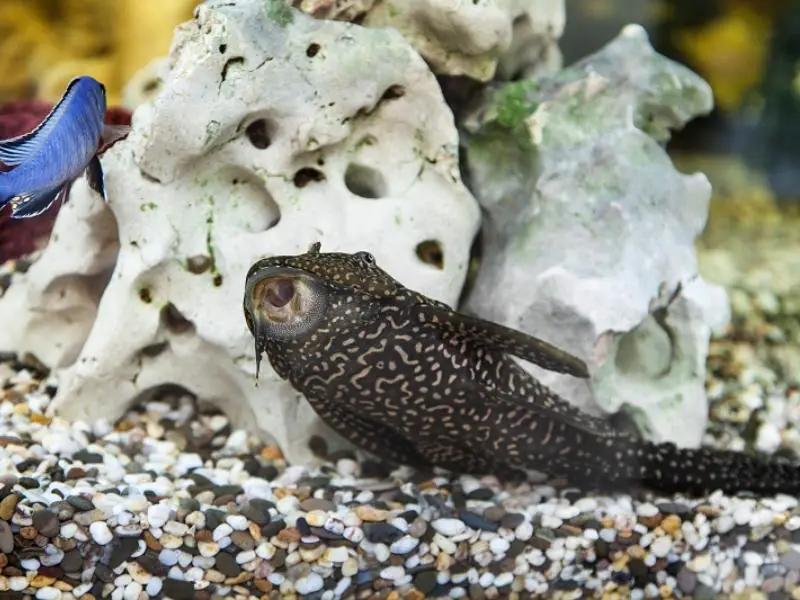
Many sucker fish feed by scraping algae and small plants off rocks and other surfaces. Their mouths act like suction cups and scrapers. They move along surfaces, scraping off food with their hard, ridged lips. This method provides a steady source of nutrients in rivers and lakes.
These fish also graze on biofilm, a thin layer of microorganisms on underwater objects. Grazing helps them get energy without chasing prey. This feeding style keeps surfaces clean and supports the ecosystem balance.
Filter Feeding Methods
Some sucker fish filter tiny food particles from the water. They swim with their mouths open to catch plankton and detritus. Their gill rakers act like a sieve, trapping food while letting water pass through.
Filter feeding allows sucker fish to eat while moving, saving energy. This method suits fish living in flowing rivers where food floats in the water. It helps them stay nourished even when algae is scarce.
Credit: www.cuteness.com
Diet In Captivity
Keeping sucker fish healthy in captivity means giving them the right diet. Their natural diet includes algae and small organisms. In tanks, their food must meet these needs. Proper feeding helps them grow and stay active.
Commercial Fish Foods
Sucker fish eat many types of commercial fish foods. Sinking pellets work well because they reach the bottom. Choose pellets made for bottom feeders. Algae wafers are also a good option. They provide nutrients similar to their natural diet.
Supplements And Treats
Adding supplements improves their health. Fresh vegetables like zucchini or cucumber slices are great treats. Occasionally, offer bloodworms or brine shrimp for protein. These foods keep the diet varied and interesting. Avoid overfeeding treats to prevent water issues.
Feeding Frequency And Portions
Feed sucker fish small amounts two to three times daily. Observe how much they eat in five minutes. Remove leftover food to keep water clean. Overfeeding can harm fish and tank health. Stick to consistent portions for best results.
Impact Of Diet On Health
The diet of sucker fish plays a crucial role in their overall health and well-being. A balanced and nutritious diet helps maintain their energy levels and supports growth. Poor eating habits can lead to health problems that affect their lifespan and activity.
Understanding what sucker fish need to eat ensures they stay healthy and active. Their diet impacts their immune system and resistance to diseases. Paying attention to their nutritional needs prevents many common health issues.
Nutritional Needs
Sucker fish need a diet rich in algae and plant matter. They also consume small insects and detritus found in their environment. These foods provide essential vitamins and minerals. Protein is important but should not be too high. Fiber helps their digestion stay smooth and efficient.
Feeding them a variety of natural foods mimics their diet in the wild. Balanced nutrition supports their scales, fins, and overall vitality. Fresh and clean food sources prevent infections and boost immunity.
Common Health Issues From Poor Diet
Poor diet can cause many health problems in sucker fish. Nutrient deficiencies weaken their immune system. They may develop fin rot or skin diseases. Slow growth and lethargy are common signs of poor nutrition. Overfeeding can lead to obesity and water pollution.
Unbalanced diets increase vulnerability to infections. Lack of fiber causes digestive issues and constipation. Providing the right food type prevents these common problems. Healthy feeding habits keep sucker fish lively and strong.
Tips For Feeding Sucker Fish
Feeding sucker fish properly helps keep them healthy and active. Understanding their needs improves their growth and lifespan. These tips guide you to provide the best care for your fish.
Simple steps make feeding easier and more effective. Focus on food choice, water quality, and watching their eating habits. These elements support their natural behavior and well-being.
Choosing The Right Food
Sucker fish eat algae, small plants, and leftover fish food. Provide algae wafers or sinking pellets made for bottom feeders. Fresh vegetables like cucumber and zucchini slices also work well. Avoid overfeeding to prevent water pollution and health issues.
Maintaining Water Quality
Clean water helps fish digest food properly. Change 25% of the water weekly. Use a good filter to remove waste and toxins. Test water regularly for ammonia and nitrite levels. Healthy water keeps fish active and reduces disease risks.
Observing Feeding Habits
Watch your sucker fish during feeding time. Note how much they eat and how fast. This shows if they are healthy or stressed. Adjust food amounts based on their appetite. Remove uneaten food to keep the tank clean.
Credit: www.fishkeepingworld.com
How Smart Pets Lover Can Help You with What Do Sucker Fish Eat
Learning from Sucker Fish Diets: Practical Insights for Pet Parents
Understanding what sucker fish eat opens up valuable opportunities for practical learning, especially when considering their natural diet in the wild and feeding behavior. Observing how these fascinating fish graze on algae and detritus can inspire pet parents to appreciate the balance needed in captivity. It’s not just about providing food; it’s about mimicking their environment to support their health and well-being.
By paying attention to their diet in captivity, you can experiment with different algae wafers and fresh veggies, noting how these choices impact your fish’s activity and vibrancy. This hands-on approach aligns with the mission of Smart Pets Lover—to help you feel informed and confident in caring for your aquatic companions.
- Track feeding responses to various natural and commercial foods
- Observe health changes related to diet adjustments
- Engage with online communities or experts for shared learning
If questions arise or you want to dive deeper, reaching out to aquatic specialists or Smart Pets Lover’s helpful resources can guide you further. After all, every feeding moment is a chance to strengthen the bond with your sucker fish and nurture their story.
Frequently Asked Questions
What Do Sucker Fish Primarily Eat?
Sucker fish mainly consume algae, detritus, and small aquatic organisms. They scrape surfaces to feed, helping keep tanks clean.
Do Sucker Fish Eat Algae Or Plants?
Yes, sucker fish eat algae actively. They scrape algae from rocks and glass, contributing to algae control in aquariums.
Can Sucker Fish Eat Fish Flakes Or Pellets?
Sucker fish can eat fish flakes and pellets but prefer natural food like algae and biofilm for better nutrition.
How Often Should You Feed Sucker Fish?
Feed sucker fish once or twice daily in small amounts. Avoid overfeeding to maintain tank cleanliness and fish health.
Conclusion
Sucker fish eat mainly algae and small particles from surfaces. They use their mouths to scrape food off rocks and plants. This diet helps keep their environment clean. They also eat tiny animals and leftovers from bigger fish. Knowing their food habits helps care for them properly.
Feeding them right keeps sucker fish healthy and active. Simple foods from their natural habitat suit them best. Understanding what sucker fish eat makes aquarium care easier and more fun.