Guppy Shimmy Treatment
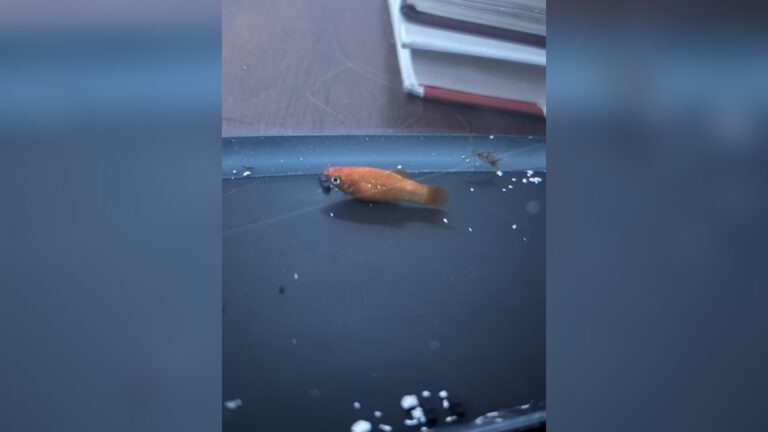
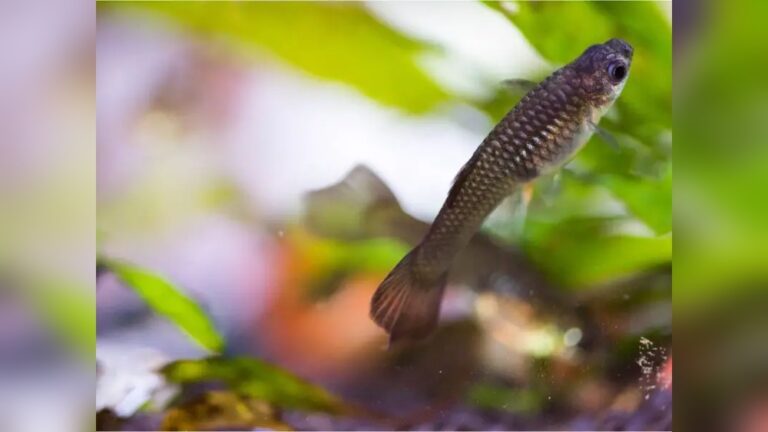
Is your guppy shaking or twitching in a way that worries you? If you’ve noticed your fish making strange, jerky movements, it’s likely suffering from Guppy Shimmy.
This common condition can be stressful for both you and your pet, but the good news is there are effective treatments available. You’ll discover simple steps to help your guppy feel better and swim smoothly again. Keep reading to learn how to recognize the signs, understand the causes, and find the best treatment options for Guppy Shimmy.
Your fish’s health depends on it!
Credit: www.fishkeepingworld.com
Symptoms Of Guppy Shimmy
Guppy Shimmy is a condition that affects guppies, causing unusual movements and behavior. Recognizing its symptoms early helps in providing the right care and treatment. Symptoms can appear in different ways, affecting both behavior and physical appearance.
Behavioral Changes
Guppies with Shimmy often swim erratically. They may shake or tremble while resting. Some become less active or hide more than usual. Loss of appetite is common. These fish may also rub against objects in the tank.
Physical Signs
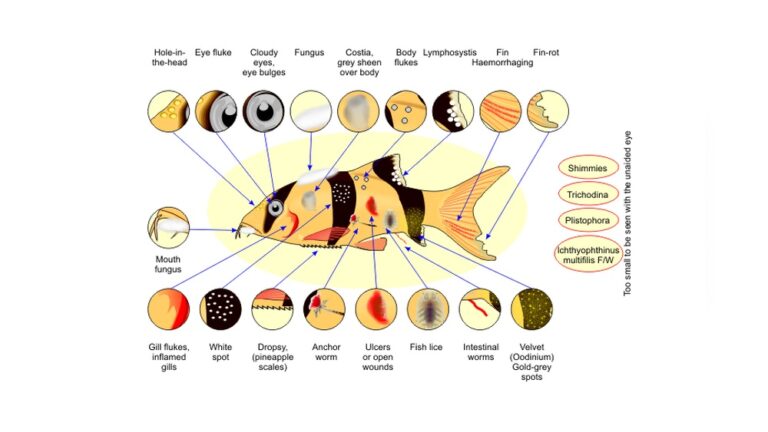
Look for fins that appear clamped or frayed. The body may show small white spots or redness. Swelling around the belly or gills can occur. The fish might have a curved spine or look thinner than normal. Eyes may seem cloudy or bulging.
Common Triggers
Poor water quality is a major cause of Shimmy symptoms. Sudden temperature changes stress guppies. Overcrowded tanks increase risk. Lack of proper nutrition weakens their immune system. Stress from aggressive tank mates may also trigger symptoms.
Causes Of Shimmy In Guppies
Guppy shimmy is a common problem in home aquariums. It happens when guppies shake or tremble without clear reason. Understanding the causes helps in treating the issue quickly. Several factors can lead to shimmy in guppies. These range from water problems to infections and stress.
Water Quality Issues
Poor water quality is a top cause of guppy shimmy. High ammonia or nitrite levels irritate fish gills. Dirty water makes it hard for guppies to breathe. Sudden changes in water temperature or pH also stress fish. Regular water testing and changes keep guppies healthy.
Parasites And Infections
Parasites can attach to guppies and cause shaking. External parasites irritate fish skin and fins. Internal infections affect fish behavior and health. Bacterial infections often lead to unusual movement. Early detection and treatment stop these problems.
Stress Factors
Stress weakens guppies and causes shimmy. Overcrowding in tanks leads to stress. Aggressive tank mates create fear and tension. Loud noises or sudden movements disturb fish. A calm, safe environment reduces stress for guppies.
Diagnosing Shimmy Problems
Diagnosing shimmy problems in guppies is important to keep them healthy. Shimmy means rapid shaking or trembling. This behavior shows stress or illness in fish. Early diagnosis can help treat the problem fast. Several methods can help find the cause. Observation, water testing, and expert advice are key steps.
Observation Techniques
Watch your guppy closely. Note when the shimmy happens. Look for changes in movement or posture. Check if other fish show the same behavior. Observe the tank environment for signs of stress. Record the frequency and duration of shimmy episodes. Clear observation helps identify possible triggers.
Water Testing
Test the water quality regularly. Poor water causes stress and shimmy. Measure pH, ammonia, nitrite, and nitrate levels. Check water temperature and hardness. Use reliable test kits for accurate results. Change water if levels are unsafe. Clean water supports guppy health and reduces shimmy.
Consulting Experts
Seek advice from aquarium specialists or veterinarians. They can diagnose diseases causing shimmy. Share your observations and water test results. Experts suggest the right treatment or medication. They help prevent serious health issues. Professional guidance improves the chances of recovery.

Credit: www.youtube.com
Water Treatment Strategies
Water treatment is key to stopping Guppy Shimmy disease. Healthy water helps fish heal and stay strong. Clean water lowers stress and limits germs. Proper care of water makes a big difference in treatment success.
Improving Water Conditions
Keep water temperature steady between 75°F and 80°F. Avoid sudden changes that stress guppies. Maintain pH levels around 7.0 for best health. Use a good filter to remove waste and dirt. Clear water supports the immune system of fish.
Using Water Conditioners
Water conditioners remove harmful chlorine and chloramine. These chemicals hurt fish gills and skin. Conditioners also detoxify heavy metals in tap water. Use conditioners before adding water to the tank. They help create a safe environment for guppies.
Regular Maintenance Tips
Change 20% of tank water every week. This keeps waste and toxins low. Clean the filter monthly but keep some beneficial bacteria. Remove uneaten food to prevent decay. Check water quality with test kits often. Good habits keep water safe and disease-free.
Medication Options
Medication plays a key role in treating guppy shimmy disease. Choosing the right medicine helps clear infections fast. Treatment varies depending on the cause of the shimmy.
Below are common medication options for this condition. Each targets a specific problem affecting guppies. Proper use of these medicines improves recovery chances.
Antiparasitic Drugs
Parasites often cause guppy shimmy symptoms. Antiparasitic drugs attack these tiny invaders. Medicines like metronidazole and praziquantel work well. They kill parasites in the fish’s body quickly.
Use these drugs early to stop parasite spread. Follow the instructions on the package carefully. Overdosing can harm your fish instead of helping.
Antibacterial Treatments
Bacterial infections can also trigger shimmy problems. Antibiotics help remove harmful bacteria from fish. Common choices include erythromycin and tetracycline. These medicines reduce swelling and stop infection growth.
Always treat the entire tank to prevent reinfection. Keep water clean to support healing. Sick fish recover faster in a healthy environment.
Dosage And Safety
Correct dosage ensures medicine effectiveness and fish safety. Always measure doses precisely. Do not guess or use old medicine amounts.
Watch fish closely during treatment. Stop using medicine if fish show stress. Change water regularly to remove leftover drugs.
Consult a vet or fish expert for advice. Safe treatment leads to happy, healthy guppies.
Diet And Nutrition Adjustments
Diet and nutrition play a key role in treating Guppy Shimmy. Proper food and nutrients support the fish’s health. Adjusting their diet helps reduce stress and illness. Feeding the right balance improves recovery.
Balanced Feeding
Offer a mix of high-quality flakes and live food. Include protein-rich items like brine shrimp or daphnia. Variety keeps the guppy’s diet complete. Balanced feeding strengthens their immune system. Avoid only one type of food.
Supplements For Health
Vitamins and minerals boost fish vitality. Add supplements like vitamin C and garlic extract. These help fight infections and improve digestion. Use supplements in small amounts. Overuse can harm the fish.
Avoiding Overfeeding
Feed small portions twice a day. Overfeeding leads to poor water quality and disease. Remove uneaten food quickly to keep the tank clean. Proper feeding limits stress and supports healing. Watch how much your guppy eats daily.
Preventing Future Shimmy
Preventing future guppy shimmy is key to keeping your fish healthy. This condition can stress your fish and affect their life quality. Proper care and attention reduce the risk of shimmy returning. Focus on good tank habits and health monitoring.
Quarantine Procedures
Always quarantine new guppies before adding them to your main tank. This stops diseases from spreading. Keep new fish separate for at least two weeks. Watch for signs of illness or unusual behavior during this time. Only move healthy fish to the main tank.
Tank Environment Setup
Set up the tank with clean water and proper filtration. Maintain stable water temperature between 74°F and 82°F. Avoid overcrowding to reduce stress and aggression. Use plants and hiding spots to create a natural habitat. Clean the tank regularly to prevent harmful bacteria growth.
Routine Health Checks
Check your guppies daily for signs of shimmy or other issues. Look for changes in swimming patterns or physical appearance. Test water quality weekly, including pH, ammonia, and nitrate levels. Remove sick fish immediately to protect others. Keep a health log to track any changes over time.
Credit: www.fishlore.com
How Smart Pets Lover Can Help You with Guppy Shimmy Treatment
Learning Through Guppy Shimmy Treatment
Understanding guppy shimmy treatment goes beyond simply addressing symptoms—it’s an opportunity to deepen your knowledge about your fish’s health and environment. As you explore water treatment strategies and medication options, you gain insight into how subtle changes in water quality or nutrition can dramatically affect your guppy’s wellbeing. This practical learning also enhances your ability to diagnose shimmy problems early, helping you act swiftly and confidently.
At Smart Pets Lover, we believe every pet parent deserves to feel connected and informed. Embracing these hands-on experiences not only improves your guppy’s recovery but also builds your expertise as a caring fish owner. If you ever feel unsure, consulting with a local aquatic specialist or reaching out to trusted pet care communities can provide additional support and knowledge.
Remember, treating guppy shimmy is as much about prevention as it is about healing—each step you take makes you a more confident steward of your underwater companions.
Frequently Asked Questions
What Causes Guppy Shimmy In Aquarium Fish?
Guppy Shimmy is often caused by stress, poor water quality, or infections. It may indicate parasites or swim bladder issues. Proper tank maintenance and disease prevention are essential to reduce this behavior and keep guppies healthy.
How Can I Treat Guppy Shimmy Effectively?
Treatment involves improving water conditions, quarantining affected fish, and using antiparasitic or antibacterial medications. Regular water changes and a balanced diet also help. Early diagnosis ensures faster recovery and prevents the spread of infections.
Is Guppy Shimmy Contagious To Other Fish?
Yes, if caused by infections or parasites, Guppy Shimmy can spread. Quarantine affected fish and disinfect the tank to protect others. Maintaining good hygiene and water quality reduces the risk of contagious diseases.
Can Diet Changes Help Prevent Guppy Shimmy?
A nutritious, balanced diet boosts guppy immunity and reduces stress. Avoid overfeeding and provide varied food types. Good nutrition supports overall fish health and minimizes the chances of Shimmy behavior.
Conclusion
Guppy shimmy can stress your fish and cause health problems. Treating it early helps your guppy swim and behave normally again. Keep the tank clean and check water quality often. Use gentle treatments and watch your fish closely for changes.
Small steps make a big difference in your guppy’s health. Caring for your fish shows in their lively movements and bright colors. Stay patient and consistent to help your guppy recover fully.