How Smart Is A Duck
Have you ever stopped to wonder just how smart a duck really is? You might think of ducks as simple creatures waddling around ponds, but there’s more going on beneath those feathers than you realize.
What if I told you that ducks can solve problems, remember faces, and even communicate in clever ways? If you’re curious about the surprising intelligence of these common birds, keep reading. You’ll discover facts that might change the way you see ducks forever—and maybe even make you appreciate their cleverness a little more.
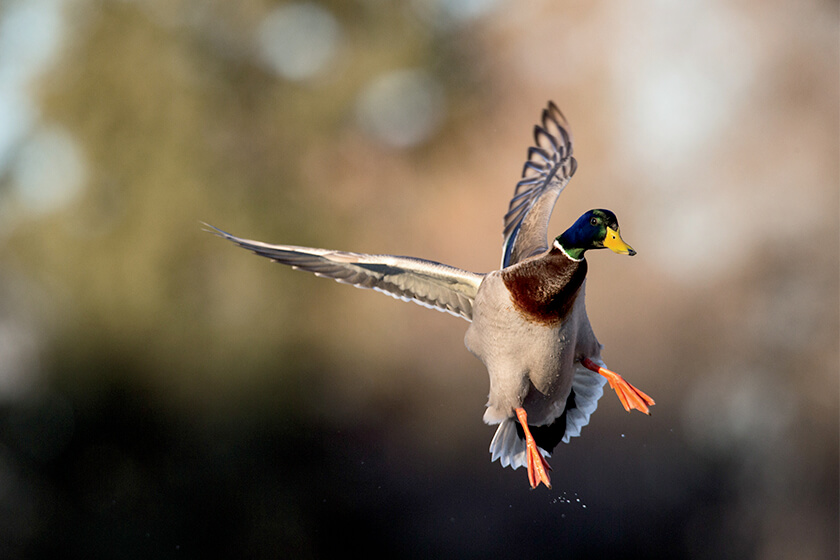
Credit: www.wildfowlmag.com
Duck Intelligence Basics
Ducks show signs of smart behavior in many ways. They solve problems, remember places, and adapt well to new situations. Understanding how smart ducks are starts with their brain and how it works. This helps us see why ducks can do some clever things.
Studying their brain gives clues about their thinking skills. Comparing ducks to other birds also shows their intelligence level. These basics help us appreciate ducks beyond their simple looks.
Brain Structure And Size
Ducks have relatively large brains for their body size. Their brain shape supports good memory and learning. The part of the brain that controls navigation and problem-solving is well developed. This helps ducks find food and safe places easily. Their brain also processes sounds and sights quickly. These features help ducks survive in the wild.
Comparison With Other Birds
Ducks are smarter than many people think. Compared to chickens, ducks show better memory skills. Some songbirds have complex songs, but ducks can remember many calls and signals. Their social behavior also shows intelligence. Ducks work together and communicate well. This ability helps them stay safe and find food. While parrots and crows are very smart, ducks still hold their own in cleverness.
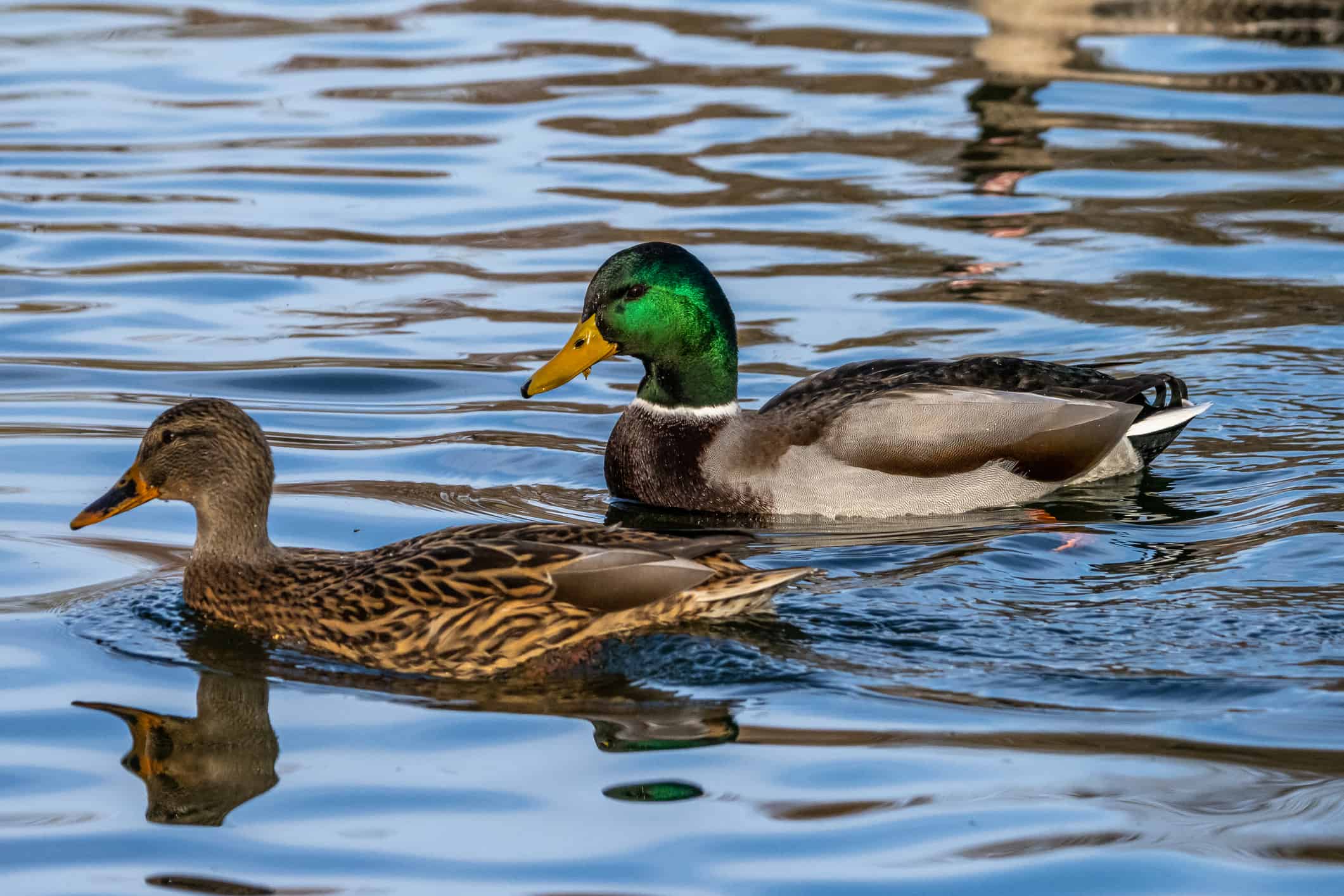
Credit: a-z-animals.com
Learning And Memory
Ducks show strong abilities in learning and memory. These skills help them survive in the wild. They learn from experience and remember useful information. This section explores how ducks solve problems and use their memory.
Problem-solving Skills
Ducks can solve simple problems to find food or avoid danger. They use trial and error to figure out new tasks. Some ducks learn to open containers or navigate obstacles. This shows they think and adapt to new situations. Their problem-solving helps them handle changes in their environment.
Spatial Memory
Ducks have good spatial memory to remember places and routes. They recall where food sources are and safe resting spots. Migratory ducks remember long routes between breeding and wintering areas. This memory helps them travel thousands of miles each year. It also aids in returning to nests or ponds they use often.
Communication Abilities
Ducks are not just simple birds. They have smart ways to talk and share messages. Their communication is clear and varied. It helps them stay safe and connected in groups. Understanding how ducks communicate shows their intelligence.
Vocalizations And Meanings
Ducks use many sounds to express feelings and intentions. A loud quack can warn of danger nearby. Soft calls often keep ducklings close to their mother. Each sound has a purpose and meaning. These vocal signals help ducks survive and work together well.
Body Language
Ducks also talk with their bodies. Head movements and wing flaps send signals to others. A raised tail might show alertness or readiness to move. Ducks use posture to show dominance or submission. This silent language is quick and effective in their groups.
Social Behavior
Ducks show interesting social behavior. They live in groups and interact in many ways. Their social skills help them survive and find food. Understanding their social behavior reveals how smart ducks really are.
These birds are not lonely creatures. They depend on each other for safety and comfort. Watching their social life gives clues about their intelligence.
Group Dynamics
Ducks form groups called flocks. These flocks can be small or very large. Within a flock, ducks communicate with sounds and body movements. They use these signals to warn of danger or find food.
Each duck knows its place in the group. This order helps reduce fights and confusion. The group works like a small community, with leaders and followers.
Cooperation And Competition
Ducks cooperate in many ways. They help watch for predators and share food spots. Cooperation increases the chance of survival for all.
At the same time, ducks compete for mates and resources. This competition is natural and keeps the group strong. Ducks balance cooperation and competition well.
Tool Use And Adaptation
Ducks are more than just birds that swim and quack. They show cleverness in using tools and adapting to their surroundings. These skills help ducks find food and stay safe. Understanding their tool use and adaptation gives us a glimpse into their smart behavior.
Examples Of Tool Use
Ducks use simple tools to help them eat. Some ducks pick up small sticks to stir water. This action makes it easier to find insects and plants. Other ducks use leaves or feathers to scoop food from water.
These actions show ducks can think and solve problems. They do not just rely on natural instincts. Using tools helps ducks get food in tricky places.
Adaptation To Environments
Ducks live in many places, such as ponds, rivers, and wetlands. They change their behavior to fit their home. For example, ducks in cold areas grow thicker feathers. This keeps them warm in freezing weather.
Some ducks migrate to find better food and climate. Others change their diet based on what is available. These adaptations help ducks survive in different conditions.
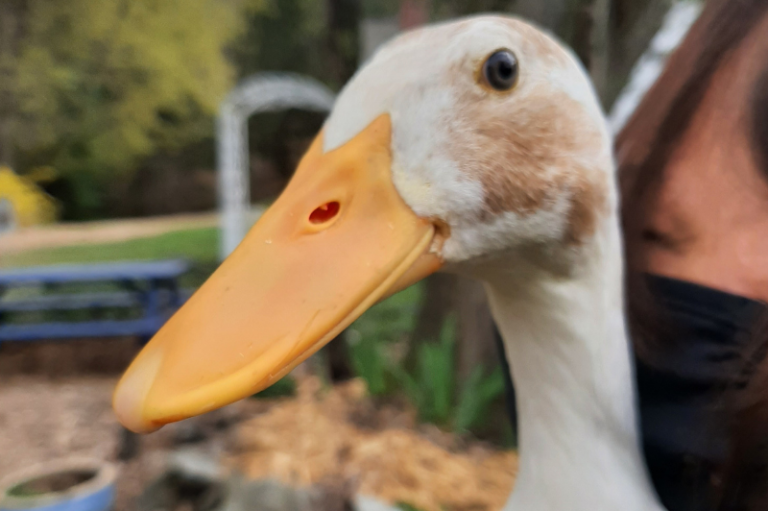
Credit: dreamingofachance.com
Duck Intelligence In Research
Ducks are often seen as simple animals. Research shows they have more brain power than many expect. Scientists study duck behavior to learn how smart these birds really are.
Their ability to solve problems and remember things surprises many. Research helps us understand animal intelligence beyond common pets like dogs and cats.
Studies On Duck Cognition
Scientists run experiments to test duck thinking skills. Ducks can recognize different shapes and colors. They also remember locations of food for a long time.
Some studies show ducks can learn from watching other ducks. This shows they can copy behavior, a sign of intelligence. They also solve simple puzzles to get treats, proving problem-solving skills.
Implications For Animal Intelligence
Duck intelligence research changes how we see animal brains. Ducks show that intelligence is not just for big mammals. Birds, even small ones, have strong learning abilities.
This research helps us treat animals with more respect. It shows that many animals think and feel in their own way. Understanding duck intelligence helps improve animal care and protection.
How Smart Pets Lover Can Help You with How Smart Is A Duck
Exploring Duck Intelligence Through Practical Learning
Understanding how smart a duck really is opens up wonderful opportunities to engage with these fascinating birds beyond just admiration. Ducks’ impressive learning and memory skills, combined with their social behavior, make them excellent subjects for hands-on observation and gentle interaction. Whether you’re a curious pet parent or a nature lover, you can start by observing how ducks communicate within their groups or adapt to new environments, reflecting their problem-solving abilities.
For those interested in deepening this connection, keeping a simple journal of your observations can help track patterns in duck behavior and communication over time. This practice not only sharpens your awareness but also aligns with the kind of thoughtful pet care guidance we cherish at Smart Pets Lover—where every chirp tells a story worth understanding.
- Note changes in their responses to new stimuli or environments.
- Watch how ducks use tools or adapt feeding strategies.
- Observe interactions to appreciate their social intelligence.
If you want to explore more about duck cognition or share your experiences, feel free to reach out via our contact page. Embracing these learning moments helps build a meaningful bond—reminding us that intelligence, in all its forms, deserves curiosity and respect.
Frequently Asked Questions
How Intelligent Are Ducks Compared To Other Birds?
Ducks exhibit notable intelligence, especially in problem-solving and social behaviors. They can learn from experience and adapt to new environments, showing cognitive skills comparable to many other bird species.
Can Ducks Recognize Themselves Or Other Ducks?
Ducks recognize individual ducks within their group using vocal and visual cues. However, they do not pass the mirror test, so self-recognition is unlikely.
Do Ducks Use Tools Or Solve Problems?
While not common, some duck species demonstrate basic problem-solving skills. They can manipulate objects to access food, indicating practical intelligence in their natural habitat.
How Do Ducks Communicate With Each Other?
Ducks use various vocalizations and body language to communicate. These signals help them express danger, mating readiness, and social hierarchy within their flock.
Conclusion
Ducks show more intelligence than many expect. They solve problems and remember places well. Their social skills help them live in groups. Ducks learn from experience and adapt quickly. This makes them smart in nature’s way. Watching ducks can teach us about animal intelligence.
They prove that smart comes in many forms. Next time you see a duck, think twice. They are not just ordinary birds. Ducks have their own clever ways to survive and thrive.