21 Beginner Aquarium Mistakes
Setting up your first aquarium is exciting, but it can also be tricky. You want your fish to thrive, and your tank to look amazing.
Yet, many beginners make simple mistakes that can harm their aquatic pets or ruin their setup. What if you could avoid those errors from the start? You’ll discover the 21 most common beginner aquarium mistakes—and how to fix them. Keep reading to save time, money, and stress while creating the perfect home for your fish.
Your underwater world deserves the best care, and it all begins here.
Choosing The Wrong Tank Size
Choosing the wrong tank size is a common mistake for beginners. It affects fish health and your aquarium experience. Many new hobbyists pick a tank too small for the fish they want. Small tanks need more care and have less stable water conditions. Larger tanks offer more room for fish to swim and grow. Understanding tank size helps create a happy environment for your fish.
Why Tank Size Matters
Tank size controls water quality and fish space. Small tanks change water conditions quickly. This stresses fish and causes illness. Bigger tanks hold more water and keep conditions stable. Fish need space to swim and hide. Crowded tanks lead to stress and fighting. Proper tank size keeps fish calm and healthy.
Common Problems With Small Tanks
Small tanks require daily care and cleaning. Waste builds up fast in tiny tanks. This makes water toxic for fish. Overfeeding in small tanks causes pollution. Small tanks limit the number and size of fish. Many beginners buy small tanks for cost or space. This leads to fish deaths and frustration.
Choosing The Right Tank Size For Beginners
Start with a tank at least 20 gallons. This size is easier to manage and stable. It fits many common beginner fish. Bigger tanks give room for fish growth. They reduce the chance of water problems. Think about future fish and tank setup. Plan for a tank that suits your space and budget.
Skipping The Cycling Process
Skipping the cycling process is a common mistake among new aquarium owners. Cycling helps create a safe environment for fish. It allows beneficial bacteria to grow and remove harmful toxins from the water. Without cycling, fish can get sick or even die quickly.
This process takes time and patience. It usually lasts from four to six weeks. Many beginners want to add fish right away. This leads to poor water quality and stress for the fish.
What Is Aquarium Cycling?
Aquarium cycling is the buildup of helpful bacteria. These bacteria break down fish waste and food leftovers. They convert toxic ammonia into less harmful substances. This keeps the water safe for fish to live.
Why Skipping Cycling Harms Fish
Ammonia and nitrites are deadly to fish. Without cycling, these chemicals build up fast. Fish may show signs of distress or die suddenly. Cycling prevents this by keeping toxin levels low.
How To Cycle Your Aquarium Properly
Start by setting up your tank with water and filter. Add a source of ammonia, like fish food or pure ammonia. Test water regularly for ammonia, nitrites, and nitrates. Wait until ammonia and nitrites drop to zero. Only then add fish slowly and carefully.
Overfeeding Fish
Overfeeding fish is a common mistake beginners make in aquarium care. It seems harmless, but it can cause big problems for fish and the tank environment. Excess food leads to poor water quality and unhealthy fish.
Many new fishkeepers think feeding more food means happier fish. Fish do not need large amounts of food daily. Small, measured portions keep fish healthy and active.
Why Overfeeding Harms Fish
Extra food can cause obesity in fish. Fat fish swim slower and get sick easier. Overfeeding also stresses fish organs, reducing their lifespan.
Effects On Water Quality
Uneaten food decays and pollutes tank water. This creates harmful chemicals like ammonia and nitrites. Poor water quality can kill fish quickly.
How To Avoid Overfeeding
Feed fish only what they eat in two minutes. Use a small amount of food per feeding. Feed twice a day, no more than needed.
Signs You Are Overfeeding
Cloudy water and bad smells show overfeeding. Fish may beg for food but still eat less than usual. Check leftover food at the tank bottom after feeding.
Credit: www.fishkeepingworld.com
Ignoring Water Parameters
Ignoring water parameters is a common mistake for new aquarium owners. Water quality affects fish health and tank stability. Poor water conditions cause stress and disease in fish. Testing water regularly keeps the environment safe and balanced.
Many beginners overlook the importance of water chemistry. Simple tests reveal crucial details like pH, ammonia, nitrite, and nitrate levels. Each fish species needs specific water conditions to thrive. Understanding these numbers prevents many problems.
What Are Water Parameters?
Water parameters are measurements of water quality. They include pH, hardness, ammonia, nitrite, and nitrate. These values show if water is healthy for fish. Keeping them in the right range is essential.
Why Test Water Regularly?
Water changes over time. Fish waste and leftover food raise harmful chemicals. Regular tests catch problems early. Fixing issues before fish get sick saves money and effort.
Common Water Parameter Problems
High ammonia or nitrite levels poison fish quickly. Wrong pH can stress fish and stop growth. Hardness affects fish health and plant growth. Identifying issues helps keep fish happy.
How To Test Water Parameters
Use aquarium test kits available online or in stores. Follow instructions carefully for accurate results. Test water at least once a week. Record results to track changes over time.
Adjusting Water Parameters Safely
Make changes slowly to avoid shocking fish. Use products designed for aquariums. Partial water changes reduce harmful chemicals. Research your fish needs before adjusting parameters.
Using Untreated Tap Water
Using untreated tap water in your aquarium can harm your fish and plants. Tap water often contains chemicals and minerals that are unsafe for aquatic life. These substances may kill beneficial bacteria and stress your fish. Always treat tap water before adding it to your tank.
Why Tap Water Is Unsafe For Aquariums
Tap water may contain chlorine, chloramine, and heavy metals. These chemicals protect drinking water but are toxic to fish. Chlorine can burn fish gills and skin. Chloramine is harder to remove and can cause long-term damage. Heavy metals like copper harm fish and plants even in small amounts.
How To Properly Treat Tap Water
Use a water conditioner to remove chlorine and chloramine. These products make tap water safe quickly. Let treated water sit for at least 24 hours before use. Test your water for pH, hardness, and ammonia levels. Adjust these parameters to match your fish’s needs.
Consequences Of Using Untreated Tap Water
Fish may show signs of stress and illness. Symptoms include gasping, lethargy, and loss of color. Beneficial bacteria in the filter may die off. This imbalance leads to toxic ammonia buildup. Untreated water can cause sudden fish deaths and poor plant growth.
Mixing Incompatible Species
Mixing incompatible species is a common mistake among beginner aquarium keepers. Different fish and aquatic animals have unique needs and behaviors. Not all species can live peacefully together. Choosing the wrong mix can stress your fish and harm your tank’s balance.
Understanding which species get along is important. Some fish are aggressive, while others are shy and slow-moving. Combining aggressive fish with peaceful ones can lead to fights and injuries. Also, some species need different water conditions. Mixing these can cause health problems.
Understanding Fish Temperament
Fish temperament varies widely. Some species are territorial and will attack others. Others prefer to swim in groups and need company. Knowing your fish’s nature helps avoid conflicts. Aggressive fish can bully or eat smaller, peaceful fish.
Matching Water Requirements
Different fish need different water temperatures and pH levels. Tropical fish need warm water, while some species prefer cooler tanks. pH levels affect fish health too. Mixing species with different needs causes stress and illness. Always research water needs before adding new fish.
Size Matters
Fish size plays a big role in compatibility. Large fish may see smaller fish as food. Small fish can get hurt or stressed by bigger tank mates. Keep fish of similar size together to avoid harm.
Feeding Habits And Diet
Fish have different diets. Some eat plants, others eat meat or flakes. Feeding all fish properly can be hard if their diets differ. Aggressive feeders may eat all the food, leaving others hungry. This causes health issues and fights.
Overcrowding The Aquarium
Overcrowding the aquarium is a common mistake among beginners. It means putting too many fish in a tank that is too small. This can cause many problems for the fish and the aquarium environment.
Fish need space to swim and grow. Overcrowding limits their movement and causes stress. Stress weakens fish and makes them sick more easily. It also increases waste in the water, which can harm fish health.
Effects Of Overcrowding On Fish Health
Too many fish in a small tank reduce oxygen levels. Fish may struggle to breathe. Stress from overcrowding lowers their immune system. This makes fish more likely to catch diseases. Fighting among fish can also increase due to lack of space.
Impact On Water Quality
More fish produce more waste. Waste breaks down into harmful chemicals like ammonia. These chemicals poison fish if not removed quickly. Overcrowded tanks need more frequent cleaning. Without proper care, water quality drops fast.
How To Avoid Overcrowding
Choose a tank size that fits your fish. Follow the rule: one inch of fish per gallon of water. Research fish species and their adult sizes. Add fish slowly to monitor tank conditions. Use a filter and perform regular water changes.
Neglecting Regular Maintenance
Neglecting regular maintenance is a common mistake among new aquarium owners. Many think setting up the tank is enough. The truth is, a healthy aquarium needs constant care. Without regular upkeep, water quality drops fast. Fish become stressed and sick. Plants may die. Algae can take over. Keeping the tank clean and balanced is essential for a thriving aquatic environment.
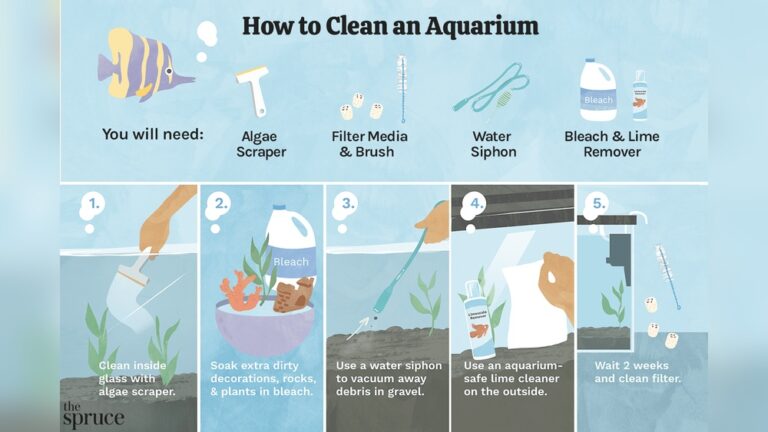
Cleaning The Tank And Decorations
Removing algae and debris prevents water problems. Clean the glass, rocks, and plants gently. Use only aquarium-safe tools. Avoid soaps or chemicals. Regular cleaning keeps the tank clear and healthy for fish.
Performing Water Changes
Changing 10-20% of the water weekly keeps toxins low. Old water contains waste and harmful chemicals. Adding fresh water refreshes oxygen and minerals. Use a water conditioner to remove chlorine from tap water.
Checking And Maintaining Equipment
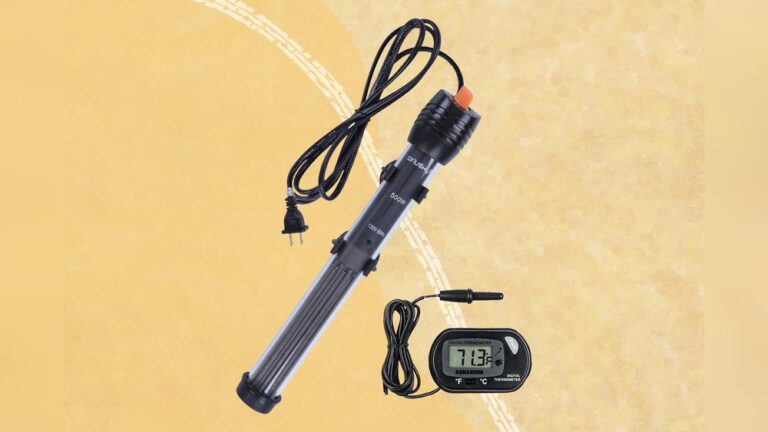
Filters, heaters, and lights must work well. Check them often for damage or clogs. Clean or replace filter media as needed. Proper equipment keeps the environment stable and safe for fish.
Testing Water Parameters Regularly
Testing water helps catch problems early. Check pH, ammonia, nitrite, and nitrate levels weekly. Use simple test kits. Balanced water supports fish health and prevents disease.
Poor Filter Choice Or Setup
Choosing the wrong filter or setting it up poorly is a common mistake for new aquarium owners. Filters keep water clean and safe for fish. Without the right filter, water quality drops quickly. Fish get sick and the tank looks dirty.
Many beginners pick filters that are too small or too weak for their tank size. Some do not install filters properly. This causes poor water flow or leaks. A bad setup can harm fish and make maintenance harder.
Understanding Filter Types
There are three main types of filters: mechanical, biological, and chemical. Mechanical filters remove debris. Biological filters help good bacteria grow. Chemical filters clean water from toxins.
Most aquariums need a filter that does all three jobs. Some filters combine these functions. Choosing the right type depends on your tank size and fish needs.
Choosing The Right Filter Size
Filter size matters a lot. A small filter cannot clean large tanks well. It leads to dirty water and unhealthy fish. Check the filter’s capacity on the package. Match it to your tank’s gallon size or a bit higher.
Proper Filter Installation
Filters must be installed correctly to work well. Follow the instructions carefully. Make sure water flows through the filter media. Avoid blocking intake or outlet tubes. Keep the filter inside the tank or in the right spot outside.
Maintaining Your Filter
Filters need regular cleaning and care. Dirty filters lose power and stop working well. Rinse filter media in tank water, not tap water. Replace parts as needed but keep beneficial bacteria safe.
Incorrect Lighting Setup
Incorrect lighting setup is a common mistake for beginner aquarium owners. Proper lighting is crucial for fish health and plant growth. Too much or too little light can cause problems.
Fish may become stressed with bright lights. Plants may die without enough light. Algae can grow fast under wrong lighting. This makes the tank look dirty and harms water quality.
Choosing The Wrong Type Of Light
Not all lights are good for every aquarium. Some lights are too strong or too weak. LED lights are popular but must match tank needs. Fluorescent lights work well for plants but use more energy. Choose lights based on your tank size and species.
Incorrect Light Duration
Lights on too long cause algae growth. Lights off too long stop plant photosynthesis. Most tanks need 8 to 10 hours of light daily. Use a timer to keep light consistent. This helps fish and plants stay healthy.
Ignoring Light Placement
Light should cover the entire tank evenly. Shadows can stress fish and stop plant growth. Place lights directly above the aquarium. Avoid lights at sharp angles or sides. This makes sure all areas get enough light.
Not Quarantining New Fish
Adding new fish to your aquarium is exciting. But skipping the quarantine step can cause big problems. New fish might carry diseases or parasites. These can spread quickly and harm your other fish. Quarantining means keeping new fish separate for a few weeks. This helps spot and treat any health issues early. It protects your whole aquarium from infections and stress.
What Is Fish Quarantine?
Fish quarantine means placing new fish in a separate tank. This tank is away from your main aquarium. The quarantine usually lasts 2 to 4 weeks. During this time, watch the fish for signs of illness. This process stops diseases from entering your main tank.
Why Skip Quarantine Is Risky
New fish can carry hidden diseases. These might not show at first. Once in the main tank, the sickness can spread fast. Other fish get sick and may die. Treating the whole tank is harder and more costly. Quarantine lowers this risk by catching problems early.
How To Set Up A Quarantine Tank
Use a small, separate tank for quarantining. Add a filter and heater like your main tank. Keep the water clean and stable. Change water regularly to remove waste. Avoid adding decorations that are hard to clean. Keep the tank in a quiet place to reduce stress.
Signs To Watch For During Quarantine
Look for white spots, frayed fins, or unusual swimming. Check if the fish hides or loses appetite. Watch for swelling or redness on the body. These signs might mean infection or parasites. Treat any problems immediately before moving fish to main tank.

Credit: www.youtube.com
Using Harmful Decorations
Choosing decorations for your aquarium is exciting. Decorations add beauty and create hiding spots for fish. Yet, some decorations can harm your aquatic pets. Using harmful decorations is a common mistake for beginners. It can affect water quality and fish health.
Not all decorations are safe for aquariums. Some release toxins or sharp edges that injure fish. Others may alter water pH or introduce harmful chemicals. Knowing what to avoid can keep your fish safe and your tank healthy.
Types Of Harmful Decorations
Some plastics and metals release toxins into the water. Painted or treated objects may leach chemicals. Sharp or rough decorations can cut fish fins or scales. Avoid decorations not made for aquarium use.
Effects On Water Quality
Harmful decorations can change the water’s pH level. This stresses or kills fish over time. Chemicals may cloud the water and encourage algae growth. Clean water is essential for fish health.
Safe Decoration Tips
Choose decorations labeled safe for aquarium use. Natural items like driftwood and smooth stones are good. Rinse decorations before adding them to your tank. Avoid items that float or break apart easily.
Signs Your Decorations Are Harmful
Fish hiding or acting stressed near decorations. Cloudy or smelly water after adding new items. Visible damage on fish fins or scales. Remove suspect decorations immediately to protect your fish.
Ignoring Algae Growth
Algae growth is a common issue in beginner aquariums. Many new fish keepers ignore it. This can cause problems for fish and plants. Algae can spread fast and cover tank surfaces. It can make the water look green or cloudy. Ignoring algae can hurt your tank’s health and beauty.
What Causes Algae To Grow
Algae thrive on light and nutrients. Too much light can help algae grow quickly. Excess fish food and waste add nutrients. Poor water changes also feed algae. Warm water speeds up algae growth. Beginners often miss these small details.
Signs Of Excessive Algae
Green, brown, or black spots appear on glass. Plants and decorations look slimy or fuzzy. Water looks cloudy or greenish. Fish hide more or seem stressed. These signs show algae is out of control.
How To Control Algae Growth
Reduce the amount of light your tank gets. Clean the tank regularly and remove algae. Feed fish only what they eat in minutes. Change water often to keep it clean. Add algae-eating fish or snails for help. Test water to keep levels balanced.
Why Ignoring Algae Is Harmful
Algae use oxygen at night, harming fish. Thick algae block light for plants. It creates bad smells and dirty water. Fish can get sick in poor water. Ignoring algae means risking your fish’s health.
Skipping Water Changes
Skipping water changes harms fish by allowing waste to build up. Dirty water causes poor health and stress for aquarium pets. Regular water changes keep the tank clean and fish happy.
Why Skipping Water Changes Harms Your Aquarium
Water changes are vital for a healthy aquarium. They remove waste and harmful chemicals. Skipping these changes lets toxins build up. Fish and plants suffer as water quality drops. Poor water can cause stress and disease in fish. Regular water changes keep your tank safe and clean.
How Often Should You Change Your Aquarium Water?
Changing water weekly is best for most tanks. A 10-20% water change is enough each time. This keeps the environment stable. Smaller or heavily stocked tanks may need changes more often. Follow a schedule and stick to it for healthy fish.
Simple Steps To Perform A Water Change
Turn off filters and heaters first. Use a siphon to remove old water. Clean the gravel gently while siphoning. Add fresh, dechlorinated water slowly. Match the new water’s temperature to the tank. Turn filters and heaters back on after refilling.
Not Researching Fish Needs
Not researching fish needs is a common mistake for new aquarium owners. Many pick fish based on looks alone. This leads to problems with fish health and tank balance. Each fish species has unique needs. Ignoring these needs causes stress and illness in fish.
Understanding fish needs helps create a healthy environment. It also reduces fish deaths and costly errors. Basic research includes learning about fish size, diet, water type, and behavior. This knowledge helps maintain a peaceful and thriving aquarium.
Understanding Fish Size And Growth
Fish grow at different rates. Some start small but become very large. A small tank may suit tiny fish but not large species. Overcrowding stresses fish and harms water quality. Research fish size before buying to avoid tank problems.
Knowing Dietary Requirements
Fish eat different foods. Some are herbivores, others carnivores. Feeding the wrong diet causes health issues. Some fish need flakes, others need live or frozen food. Research what your fish eat for a balanced diet.
Matching Fish With Water Conditions
Fish need specific water types. Some prefer fresh water, others salt water. Temperature, pH, and hardness matter too. Wrong water conditions lead to disease and death. Test water and adjust it to fish needs.
Considering Fish Behavior And Compatibility
Fish have different temperaments. Some are peaceful, others aggressive. Mixing aggressive with peaceful fish causes fights. Research fish behavior to select compatible species. This keeps the tank calm and safe.

Credit: www.youtube.com
Placing Tank In Poor Location
Choosing the right spot for your aquarium is important. A poor location can harm your fish and plants.
Many beginners place their tanks in areas with direct sunlight or near heat sources. This causes temperature swings and algae growth. It stresses fish and makes tank care harder.
Avoid Direct Sunlight
Sunlight heats the water quickly. It also causes algae to grow fast. Algae make the tank look dirty and use oxygen that fish need. Keep your aquarium away from windows or bright lamps.
Keep Away From Heat Sources
Heating vents or radiators cause uneven water temperatures. Fish do not like sudden temperature changes. This can lead to illness or death. Place the tank where the temperature stays stable.
Choose A Stable Surface
The aquarium needs a flat, strong surface. Uneven or weak surfaces can cause cracks or leaks. Use a sturdy stand that supports the tank’s weight fully.
Limit Noise And Vibrations
Fish get stressed by loud noises and vibrations. Avoid spots near televisions, speakers, or heavy foot traffic. A quiet place helps fish stay calm and healthy.
Easy Access For Maintenance
Pick a spot where you can reach the tank easily. Regular cleaning and feeding are simpler this way. Avoid tight corners or high shelves that make care difficult.
Using Incompatible Substrates
Choosing the right substrate is key to a healthy aquarium. Using incompatible substrates can harm fish and plants. It can also affect water quality. This mistake is common among beginners.
Substrate types vary. Gravel, sand, and soil each serve different purposes. Some substrates release chemicals that change water pH. Others may trap waste or block plant roots.
How Substrate Affects Water Chemistry
Some substrates raise or lower water pH. This change can stress or kill fish. For example, coral sand raises pH and hardness. Soft water fish may not survive. Testing substrate before use helps avoid problems.
Impact On Plant Growth
Plants need nutrients from the substrate. Incompatible substrates lack these nutrients. Some substrates compact and stop root growth. This limits plant health and growth. Choosing plant-friendly substrates supports a green tank.
Fish Behavior And Substrate Choice
Certain fish like digging or burrowing. Sharp or large gravel can hurt them. Fine sand suits bottom dwellers better. Substrate affects fish comfort and activity levels. Match substrate to fish species needs.
Cleaning And Maintenance Challenges
Wrong substrates make cleaning hard. Fine particles can cloud water when disturbed. Large gravel traps debris, causing bad smells. Proper substrate choice eases tank maintenance. It keeps the aquarium clean longer.
Rushing Fish Introduction
Introducing fish into a new aquarium too quickly causes many problems. New fish need time to adjust to their new home. Rushing this process can stress the fish and harm their health. Patience is key to a successful fish introduction.
Fish need to adapt to water temperature, chemistry, and tank conditions. Sudden changes can shock their system. This shock weakens their immune system and makes them prone to diseases. Taking time helps fish settle and stay healthy.
Why Patience Matters In Fish Introduction
Fish feel safe when conditions are stable. Moving fish too fast causes stress and fear. Stress leads to hiding, refusal to eat, and illness. Patience gives fish a chance to explore and feel comfortable.
How To Properly Introduce Fish To A New Tank
Float the fish bag in the tank water for 15-20 minutes. This step balances water temperature between the bag and tank. Slowly add small amounts of tank water into the bag over 30 minutes. This helps fish adjust to new water chemistry safely.
Signs Fish Are Not Ready To Join The Tank
Look for frantic swimming, gasping, or hiding. These signs show stress and discomfort. If fish act this way, slow down the introduction process. Give them more time to adapt before full release.
Ignoring Signs Of Illness
Ignoring signs of illness in aquarium fish is a common mistake for beginners. Fish cannot tell us when they feel sick. We must watch closely for changes in their behavior and appearance.
Early detection of illness helps protect your fish and keeps the tank healthy. Small problems can quickly become big issues if ignored. Knowing the signs can save your fish from suffering.
Recognizing Common Signs Of Fish Illness
Look for unusual swimming patterns like darting or floating. Check for faded colors, spots, or patches on the fish’s body. Gasping at the water surface may signal low oxygen or sickness.
Why Early Action Matters
Taking quick steps prevents the illness from spreading. Sick fish can infect others in the tank fast. Early treatment improves the chance of full recovery.
Simple Steps To Monitor Fish Health
Observe your fish daily for any changes. Keep a journal of their behavior and appearance. Test water quality regularly to avoid stress that causes illness.
Using Chemicals Improperly
Chemicals help keep an aquarium clean and safe. Many beginners use them without full knowledge. This leads to problems for fish and plants.
Using chemicals wrong can harm water quality. It can also stress or even kill fish. Understanding how to use chemicals properly is key.
Understanding Chemical Labels
Read labels carefully before using any chemical. Labels show how much to use and how often. Ignoring these instructions causes chemical overload.
Each product is different. Some are strong and need only a little. Others are gentle but still require caution.
Avoid Overdosing Chemicals
Too much chemical can poison fish. It can also kill beneficial bacteria. These bacteria help keep water healthy.
Measure chemicals with a proper tool. Never guess amounts or add more “just in case.”
Using Chemicals For The Right Problem
Not all chemicals fix every issue. Using the wrong one wastes money and time. It may also cause new problems.
Identify the real problem first. Then pick the chemical made for that problem only.
Timing Chemical Use Correctly
Some chemicals need time to work. Others should be used only during water changes. Wrong timing can reduce effectiveness.
Always follow the timing instructions on the product label. This keeps fish safe and water clean.
Mixing Chemicals Can Be Dangerous
Never mix different chemicals without advice. Some combinations create toxic gases or harmful reactions. This endangers fish and humans.
Use one chemical at a time. Wait before adding another if needed.
Lack Of Patience With Setup
Starting an aquarium is exciting. Many beginners rush the setup. This mistake causes stress for fish and owners. Patience helps build a healthy tank. Taking time during setup ensures a balanced environment. This section explains why patience matters.
Lack Of Cycling Time
New tanks need time to develop good bacteria. These bacteria clean harmful waste from water. Skipping cycling can harm fish quickly. Wait at least 4 weeks before adding fish. Test water regularly to check ammonia and nitrite levels.
Adding Fish Too Soon
Putting fish in too early causes illness and death. Fish produce waste that needs bacteria to break down. Without enough bacteria, water becomes toxic. Add fish slowly after cycling completes. Start with a few hardy fish first.
Water must have the right temperature, pH, and hardness. Sudden changes stress fish and cause sickness. Test water before adding fish. Adjust water conditions slowly over several days.
Rushing Equipment Setup
Filters, heaters, and lights must be set up correctly. Improper setup can cause poor water quality. Follow instructions carefully. Check equipment function before adding fish.
How Smart Pets Lover Can Help You with 21 Beginner Aquarium Mistakes
Turning Aquarium Mistakes into Learning Moments
Starting an aquarium journey is as exciting as it can be challenging, especially when navigating common pitfalls like skipping the cycling process or ignoring water parameters. These missteps, while frustrating, are valuable learning opportunities that help build a deeper connection with your aquatic friends. At Smart Pets Lover, we understand that every wag, purr, and splash tells a story—yours included.
For instance, experiencing issues from overfeeding fish or choosing the wrong tank size encourages you to research and adapt, reinforcing responsible pet ownership. Regular maintenance and paying close attention to water quality become second nature, ensuring a thriving environment for your fish. Remember, patience and consistency are your best allies.
- Observe your fish closely for signs of stress or illness.
- Commit to routine water changes and filter upkeep.
- Take time to learn about each species’ unique needs.
If you ever feel unsure, connecting with experienced communities or reaching out to knowledgeable resources can make a world of difference. Smart Pets Lover is here to help you feel confident and informed, turning every aquarium mistake into a stepping stone toward a vibrant, healthy tank.
Frequently Asked Questions
What Are Common Beginner Aquarium Mistakes?
Common mistakes include overfeeding, improper cycling, overcrowding, ignoring water quality, and wrong fish choices. These errors harm fish health and tank balance.
How To Avoid Overfeeding Fish In Aquariums?
Feed small amounts once or twice daily. Remove uneaten food after 5 minutes to prevent water pollution and fish illness.
Why Is Aquarium Cycling Important For Beginners?
Cycling establishes beneficial bacteria that break down toxins. Without cycling, fish face harmful ammonia and nitrite spikes, risking their survival.
How Often Should Beginners Test Aquarium Water?
Test water weekly for ammonia, nitrite, nitrate, and pH. Regular testing ensures a healthy environment and early problem detection.
Conclusion
Avoiding common beginner aquarium mistakes makes fishkeeping fun. Start slow and learn each step carefully. Keep your tank clean and test water often. Choose fish that fit your tank size and conditions. Watch your fish daily for any changes. Patience helps your aquarium thrive and stay healthy.
Small efforts lead to a happy underwater world. Enjoy the journey of caring for your fish friends. Mistakes happen, but each one teaches you something new. Keep going, and your aquarium will grow beautifully.