17 Most Popular Saltwater Fish
Are you curious about the vibrant and fascinating creatures that swim in our oceans? Saltwater fish are some of the most beautiful and interesting animals you can find.
Whether you’re a hobbyist looking to start a marine aquarium or just love learning about sea life, knowing the most popular saltwater fish will help you appreciate the ocean even more. You’ll discover 17 amazing saltwater fish species that stand out for their colors, behaviors, and unique traits.
By the end, you’ll feel inspired and ready to explore the underwater world like never before. Keep reading to find out which fish made the list and why they’re so beloved by people around the globe.
Clownfish
The clownfish is one of the most beloved saltwater fish. Its bright orange color with white stripes makes it easy to recognize. Many people know the clownfish from popular movies. These fish live in warm ocean waters and have a unique relationship with sea anemones.
Habitat And Behavior
Clownfish live in shallow coral reefs. They usually stay close to sea anemones. The anemones protect clownfish from predators with their stinging tentacles. Clownfish are immune to these stings. They clean the anemones and get shelter in return. This friendship helps both animals survive.
Clownfish are social and live in small groups. A dominant female leads each group. She is the biggest fish among them. If she dies, the largest male becomes female. Clownfish communicate through popping and clicking sounds. They also use body movements to show their mood.
Care Tips
Clownfish are popular in home aquariums. They need a tank with clean, warm water. The water temperature should stay between 74°F and 79°F. Clownfish need hiding places like live rock or sea anemones. They eat pellets, flakes, and small frozen foods.
Keep the tank water quality high by regular cleaning. Avoid sudden changes in temperature or water conditions. Clownfish are hardy but stressed easily. Watch for signs of illness such as loss of color or sluggishness. Pair clownfish carefully because they can be territorial.
Credit: a-z-animals.com
Mandarinfish
The Mandarinfish is one of the most striking saltwater fish. It is known for its small size and bright colors. This fish lives in warm, shallow waters of the Pacific Ocean. Many people love it for its beauty and peaceful nature. It is a favorite for saltwater aquariums.
Color Patterns
The Mandarinfish shows bright blue, orange, and green colors. Its body has swirling patterns that look like art. These colors help it hide among coral reefs. The vivid hues also warn predators that the fish tastes bad. Each Mandarinfish has a unique pattern.
Feeding Habits
Mandarinfish eat small crustaceans and tiny worms. They use their small mouths to pick food from coral. The fish feed mostly at night or early morning. They need live food to stay healthy in tanks. Their slow, careful feeding style helps them avoid danger.
Blue Tang
The Blue Tang is a bright and lively saltwater fish. It is famous for its striking blue color and unique shape. Many aquarium lovers enjoy this fish for its beauty and active nature. Its popularity grew after appearing in popular movies. This fish adds a splash of color to any tank. It is a peaceful species that fits well with others in a community tank.
Physical Features
The Blue Tang has a deep, oval body. Its color is bright blue with a yellow tail. A black ‘palette’ pattern runs along its sides. It has a sharp spine near the tail for defense. The fish grows up to 12 inches long. Its eyes are large and round. The vibrant colors make it easy to spot. The Blue Tang’s fins are smooth and rounded. Its body shape helps it swim quickly.
Tank Requirements
The Blue Tang needs a large tank of at least 75 gallons. It needs plenty of space to swim. Good water quality is very important for this fish. The water temperature should stay between 72 and 78 degrees Fahrenheit. Strong filtration helps keep the water clean. The tank should have hiding spots using rocks or coral. This fish needs a balanced diet with algae and seaweed. Regular water changes keep the fish healthy. It prefers a peaceful community tank with other non-aggressive fish.
Lionfish
The lionfish is a striking saltwater fish known for its beauty and danger. Its bright colors and long fins make it easy to spot in coral reefs. Lionfish are native to the Indo-Pacific but have spread to other oceans. They are predators and use their venomous spines to protect themselves and catch prey. Their presence affects local fish populations, making them a topic of interest for marine biologists and aquarium lovers.
Distinctive Traits
Lionfish have long, fan-like pectoral fins. Their bodies are covered in red, white, and brown stripes. These stripes help them blend into coral reefs. They have venomous spines on their dorsal, pelvic, and anal fins. Lionfish use these spines to defend against predators. Their large eyes help them hunt small fish and crustaceans. They move slowly but strike quickly to catch prey.
Handling Precautions
Never touch a lionfish with bare hands. Their spines deliver venom that causes pain and swelling. Use thick gloves or tools when handling. Be careful when cleaning tanks or reefs. Seek medical help if stung. Avoid sudden movements near lionfish in the wild. Proper care and respect keep you safe around them.
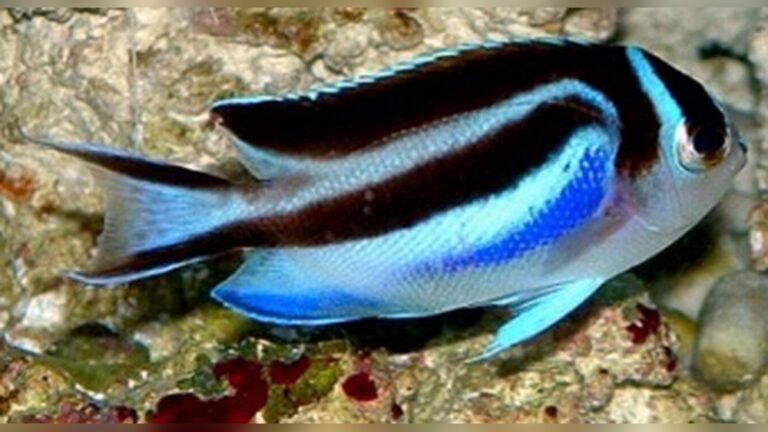
Angelfish
Angelfish are one of the most admired saltwater fish for home aquariums. They have bright colors and unique shapes that catch the eye. Their graceful movements add charm to any tank. Angelfish come from coral reefs and tropical waters. They bring a lively touch to marine setups.
Varieties
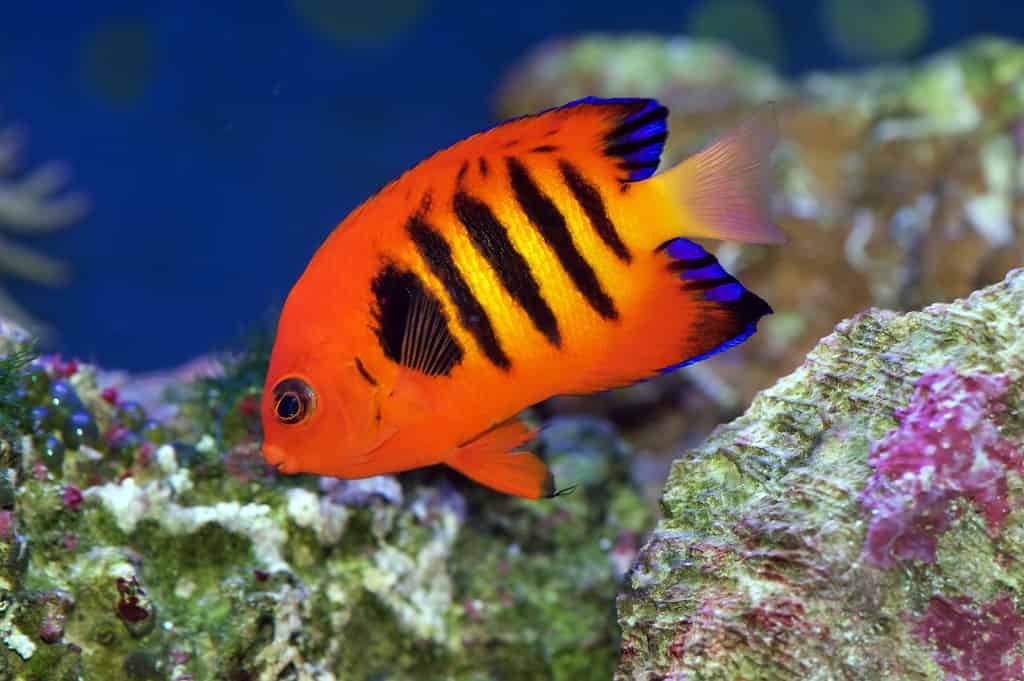
There are many types of saltwater angelfish. The Queen Angelfish shows blue and yellow hues. The Emperor Angelfish has bold stripes and bright colors. The Flame Angelfish is small with red and black stripes. Each variety has different patterns and sizes. Their colors can change slightly as they grow.
Compatibility
Angelfish usually get along with other peaceful fish. They can live with clownfish, tangs, and gobies. Avoid keeping them with very aggressive species. Some angelfish may show territorial behavior. Provide enough space and hiding spots in the tank. This helps reduce stress and fights.
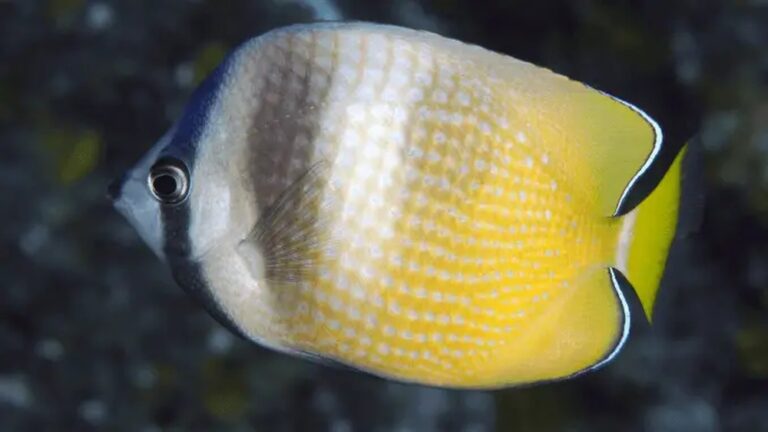
Butterflyfish
Butterflyfish are some of the most striking saltwater fish in the ocean. They have bright colors and unique patterns that catch the eye. These fish live in warm coral reefs and swim in pairs or small groups. Their name comes from their shape and fluttering swimming style, which looks like a butterfly in flight.
Butterflyfish are a favorite among aquarium lovers and marine enthusiasts. They add beauty and life to underwater scenes. Their behavior and appearance make them a popular subject for underwater photographers and divers.
Appearance
Butterflyfish have flat, round bodies that look like a disc. Their bodies show bright colors like yellow, white, orange, and black. Many have lines or spots that help them hide in coral reefs. They have long, thin snouts that help them reach food in small spaces. Their fins are delicate and often have eye spots to confuse predators. Sizes vary, but most grow between 4 to 8 inches long.
Diet
Butterflyfish mostly eat small animals found in coral reefs. They feed on coral polyps, tiny crustaceans, and small worms. Their long snouts help them reach food inside coral crevices. Some species also eat algae. They search for food during the day and rest at night. Their diet depends on the species and the reef environment.
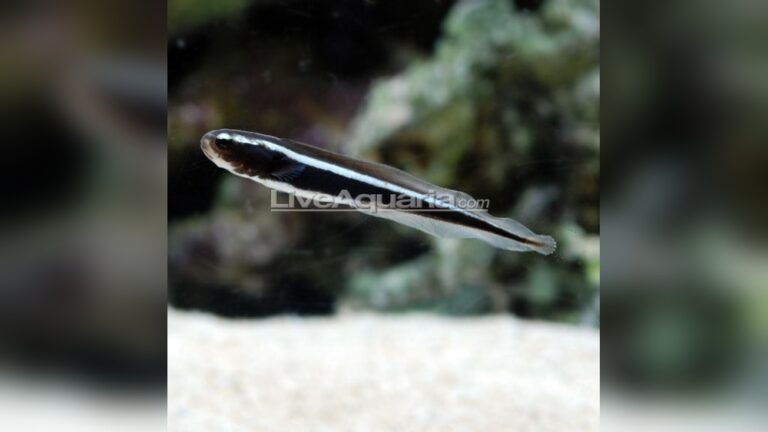
Gobies
Gobies are small, colorful fish found in saltwater habitats worldwide. They often live near coral reefs and sandy bottoms. These fish are popular among aquarium lovers for their unique looks and interesting behaviors.
Gobies come in many shapes and colors. They are usually small but full of personality. Their size and bright patterns make them a favorite choice for saltwater tanks.
Types
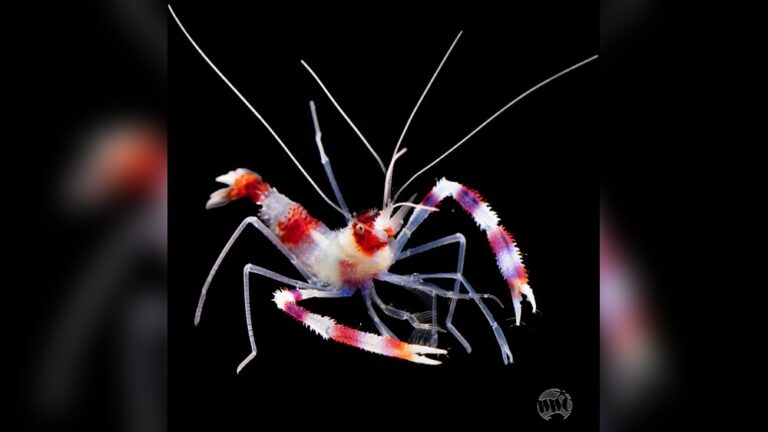
There are over 2,000 species of gobies. Some common types include the neon goby, watchman goby, and shrimp goby. Neon gobies have bright blue stripes. Watchman gobies are known for their large eyes and sandy color. Shrimp gobies live in a special partnership with shrimp, sharing burrows and watching for danger.
Behavior
Gobies are active and curious fish. They spend much time near the sea floor, hiding in rocks or sand. Many gobies form strong bonds with shrimp or other fish. They use quick movements to avoid predators. Gobies often clean other fish by eating parasites off their bodies. This behavior helps keep the reef healthy.
Wrasse
Wrasse are colorful and active saltwater fish popular in home aquariums. They belong to a large family with many species. Wrasse vary in size and colors, making them attractive to fish keepers. They often have bright patterns and unique swimming styles. These fish are known for their lively behavior and interesting personalities. Wrasse also help control pests in reef tanks by eating small invertebrates.
Popular Species
One popular wrasse is the Six-Line Wrasse. It has bold blue and yellow stripes. This species is small and easy to care for. The Cleaner Wrasse is famous for its role in cleaning other fish. It removes parasites from tank mates. The Fairy Wrasse is another favorite with its bright colors and peaceful nature. These species add beauty and activity to aquariums.
Care Needs
Wrasse need a tank with plenty of hiding spots. Live rock is ideal for their natural behavior. They require good water quality and stable conditions. Most wrasse eat small meaty foods like brine shrimp and mysis. Feeding them several times a day helps keep them healthy. Wrasse can be shy at first but become more confident over time. Avoid keeping them with aggressive fish to reduce stress.
Damselfish
Damselfish are small, colorful saltwater fish popular in home aquariums. They come in many bright colors like blue, yellow, and orange. These fish are hardy and easy to care for, making them great for beginners. They are active swimmers and can add life to any tank.
Temperament
Damselfish have a bold and sometimes aggressive nature. They often defend their space strongly. This behavior helps them survive in the wild. They may chase smaller or timid fish away. It is best to keep them with other tough fish. Avoid placing them with very shy or slow-moving species.
Tank Setup
Provide a tank with plenty of hiding spots and live rock. These areas help damselfish feel safe and reduce stress. A tank of at least 20 gallons is ideal for one or two damselfish. Keep water temperature between 72 and 78 degrees Fahrenheit. Maintain good water quality with regular changes. Strong water flow mimics their natural reef habitat.
Credit: www.basstrike.com
Tang Fish
Tang fish are a favorite among saltwater aquarium enthusiasts. They have bright colors and a unique body shape. These fish are active swimmers and add life to any tank. Known for their peaceful nature, tangs do well with many other fish species. They also help keep tanks clean by eating algae.
Common Species
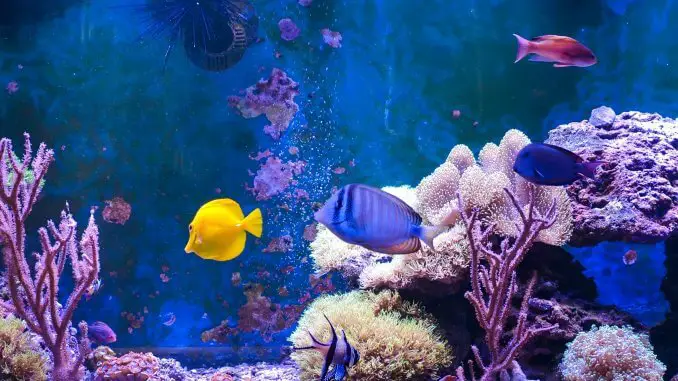
The Blue Tang is one of the most popular types. It has a vibrant blue body with black markings. Another common species is the Yellow Tang, famous for its bright yellow color. The Powder Blue Tang is also well-loved for its striking blue and black design. Each species has a distinct look but shares similar care needs.
Maintenance
Tang fish need a large tank with plenty of swimming space. Clean water is essential for their health. Regular water changes help keep the environment stable. They eat mostly algae but also need a balanced diet with vegetables. Watch out for common diseases like ich and treat early. Proper tank mates reduce stress and keep tangs happy.
Cardinalfish
Cardinalfish are small, colorful saltwater fish found in tropical reefs worldwide. Their bright patterns and peaceful nature make them popular among aquarium hobbyists. These fish often stay hidden during the day, adding mystery to their charm.
Nocturnal Traits
Cardinalfish are mostly active at night. They hide in crevices or under rocks during daylight hours. This behavior helps them avoid predators. At night, they come out to swim and explore. Their large eyes help them see in low light. This nocturnal habit makes them unique among reef fish.
Feeding
These fish mainly eat small plankton and tiny crustaceans. They hunt for food during the night. In captivity, cardinalfish enjoy frozen or live brine shrimp. Feeding them small, frequent meals keeps them healthy. Their gentle feeding style suits peaceful tank mates.
Credit: www.fishkeepingworld.com
Blenny
The blenny is a small, lively saltwater fish known for its curious nature. These fish often hide in rocks and coral, making them fun to watch. Their unique looks and behaviors make them popular among aquarium enthusiasts.
Appearance
Blennies have elongated bodies with large eyes. Many species show bright colors or patterns. Some have fringes or cirri on their heads. Their size usually stays under 5 inches. These features help them blend with their surroundings.
Tank Role
Blennies are excellent algae eaters in tanks. They help keep the tank clean by eating unwanted growth. They are peaceful and rarely bother other fish. Their activity adds life and movement to the aquarium. Blennies also prefer hiding spots like caves or rocks.
Seahorse
Seahorses are fascinating saltwater fish known for their horse-like head and curled tail. They live in shallow tropical and temperate waters around the world. These small creatures blend well with sea plants and coral. Their unique shape makes them easy to spot and loved by many marine enthusiasts.
Unique Features
Seahorses have a head that looks like a horse. Their bodies are covered with bony plates instead of scales. They swim upright, unlike most fish. Their tails can grasp objects, helping them hold onto seaweed. Seahorses have no teeth or stomach, so they eat small food constantly. Their eyes move independently, which helps them watch for food and danger.
Breeding
Seahorse breeding is unusual. The male carries the eggs in a pouch on his belly. The female deposits eggs into this pouch during mating. The male fertilizes and protects the eggs until they hatch. After weeks, tiny baby seahorses are born, ready to swim away. This male pregnancy is rare in the animal kingdom and very interesting to watch.
Surgeonfish
Surgeonfish are vibrant saltwater fish known for their bright colors and sharp spines. They belong to the family Acanthuridae. These fish live mostly on coral reefs in tropical oceans. Their unique shape and striking appearance make them easy to spot. They play an important role in the reef ecosystem by helping control algae growth. Many divers and fish enthusiasts admire surgeonfish for their beauty and interesting behavior.
Defense Mechanisms
Surgeonfish have sharp, blade-like spines near their tails. These spines can cut or stab predators. The spines are hidden but ready to use when threatened. They move their bodies to warn enemies before attacking. Bright colors may also scare off predators. This combination of weapons and warning signals helps them survive in the wild.
Diet
Surgeonfish mainly eat algae growing on rocks and coral. They use their small, sharp teeth to scrape algae clean. This diet helps keep reefs healthy and balanced. Some species also eat plankton or small plants. Their eating habits support the ecosystem by preventing algae overgrowth. Surgeonfish spend most of their day grazing on food.
Anthias
Anthias are small, vibrant saltwater fish popular in reef aquariums. They belong to the family Serranidae and thrive in tropical waters. Known for their bright colors and active nature, anthias add life to any tank. These fish prefer to swim in groups and live near coral reefs. Their lively movements and striking appearance make them a favorite among hobbyists.
Color Variations
Anthias display a wide range of colors. Most show shades of pink, orange, red, or yellow. Some species have gradients that blend smoothly across their bodies. Males often have brighter colors than females. This helps them attract mates and show dominance. Color intensity can change with mood or lighting. These vivid colors make anthias stand out in any aquarium setting.
Social Behavior
Anthias are social fish that live in schools. They form groups with one dominant male and many females. The male guards the group and defends its territory. Females and juveniles swim together peacefully. If the male dies, the largest female changes sex to become male. This unique trait helps keep the group stable. Anthias are active swimmers, often seen darting through coral branches.
Parrotfish
Parrotfish are colorful and vibrant fish found in coral reefs. They are known for their bright colors and unique beak-like mouths. These fish play a key role in keeping coral reefs healthy. Their colors range from blue and green to pink and yellow. Parrotfish are a favorite among saltwater fish enthusiasts. They add life and color to any aquarium.
Feeding Habits
Parrotfish mainly eat algae that grow on coral. They use their strong beak to scrape algae off rocks and coral. This helps keep the reef clean and healthy. In an aquarium, they need a diet rich in plant matter. Offer seaweed, algae sheets, and vegetable-based pellets. Occasionally, they enjoy small bits of shrimp or fish. Feeding them a balanced diet keeps them vibrant and active.
Tank Size
Parrotfish need plenty of space to swim. A tank of at least 75 gallons is ideal. Larger tanks help reduce stress and aggression. Provide plenty of hiding spots with rocks and coral decorations. Good water quality is essential for their health. Regular water changes keep the environment clean. Proper tank size helps parrotfish live long and thrive.
Goby Blenny Hybrids
Goby Blenny hybrids are unique fish found in saltwater aquariums. These fish blend traits from both gobies and blennies. Their small size and active nature make them popular among hobbyists. They add life and color to tanks with their curious movements. These hybrids often show bright colors and interesting patterns. Their behavior can be playful, making them fun to watch. They adapt well to various tank setups, which is great for many aquarists.
Characteristics
Goby Blenny hybrids have mixed features from both families. They usually have elongated bodies like gobies. Their fins resemble those of blennies, often larger and more flexible. These fish show bright colors, often with stripes or spots. They move actively across the tank, exploring rocks and sand. Their small size fits well in community tanks. They are peaceful and rarely aggressive towards other fish. Their eyes are large, giving them good vision in low light.
Care Tips
Keep these fish in tanks with plenty of hiding spots. Use live rock and sand to mimic their natural habitat. Feed them small, frequent meals of meaty foods. Avoid large or aggressive tank mates to reduce stress. Maintain stable water conditions with good filtration. Monitor water temperature around 72-78°F for best health. Regular water changes help keep the environment clean. Watch for signs of illness like dull colors or inactivity.
How Smart Pets Lover Can Help You with 17 Most Popular Saltwater Fish
Learning Through the Wonders of Saltwater Fish
Exploring the vibrant world of saltwater fish like the playful Clownfish, the graceful Mandarinfish, or the striking Blue Tang opens more than just a window into aquatic beauty—it’s a chance to deepen your understanding of marine ecosystems and responsible pet care. Each species brings unique behaviors and habitat needs that can teach us about biodiversity and environmental balance.
For those passionate about creating a thriving saltwater aquarium, practical learning involves observing how species such as Angelfish and Butterflyfish interact, their dietary preferences, and their social dynamics. This hands-on experience fosters empathy and patience, essential traits for any pet parent. At Smart Pets Lover, we believe that every interaction with your aquatic companions is a story worth telling and learning from.
- Research species-specific care to ensure healthy environments
- Observe natural behaviors to promote mental stimulation
- Connect with community resources for shared knowledge and support
Remember, staying informed and connected helps you nurture your fish with confidence and compassion. For more insights or questions, reaching out to knowledgeable aquarists or pet care groups can be invaluable. After all, where every wag, purr, and chirp tells a story, so does every gentle fin flick beneath the waves.
Frequently Asked Questions
What Are The Most Popular Saltwater Fish Species?
Popular saltwater fish include Clownfish, Angelfish, Tang, Lionfish, and Butterflyfish. These species are loved for their vibrant colors and unique patterns. They are commonly found in coral reefs and are popular in marine aquariums worldwide.
How Do I Care For Saltwater Fish At Home?
Saltwater fish require stable water conditions, proper salinity, and a balanced diet. Regular tank maintenance and water testing are essential. Using a quality filtration system and providing hiding spots help reduce stress and keep fish healthy.
What Diet Do Most Saltwater Fish Need?
Saltwater fish generally eat a mix of flakes, pellets, frozen, and live foods. Their diet depends on species; some prefer algae, while others eat smaller fish or invertebrates. Providing varied, nutrient-rich food supports their health and vibrant colors.
Can Saltwater Fish Live With Freshwater Fish?
Saltwater fish cannot live with freshwater fish due to different water conditions. Saltwater fish need salty, stable environments, while freshwater fish require freshwater. Mixing them can cause stress and death, so they must be kept in separate tanks.
Conclusion
Saltwater fish come in many shapes and colors. Each species offers unique beauty and behavior. They add life and color to oceans and tanks. Knowing popular types helps in choosing the right fish. Care and environment matter for their health and happiness.
Enjoy exploring these fascinating creatures in their watery world. Dive into the adventure of saltwater fish keeping today!