100 Gallon Fish Tank
Thinking about upgrading your fish tank? A 100 gallon fish tank might be exactly what you need.
It offers plenty of space for your fish to swim freely and creates a stunning centerpiece in any room. But choosing the right tank and setting it up properly can feel overwhelming. Don’t worry—you’re about to discover everything you need to know to make the best choice for your aquatic friends.
Ready to transform your fish-keeping experience? Let’s dive in!
Choosing The Right 100 Gallon Tank
Choosing the right 100 gallon fish tank is important for a happy aquatic environment. The tank you pick affects the health of your fish and the ease of maintenance. Consider key factors before making a decision. This helps you create a perfect home for your fish.
Tank Dimensions And Space
Check the tank size carefully. A 100 gallon tank can come in different shapes and sizes. Measure your room to ensure the tank fits well. Leave space around the tank for cleaning and equipment. Remember, longer tanks offer more swimming space for fish.
Material Options
Most 100 gallon tanks are made from glass or acrylic. Glass tanks are heavy but scratch-resistant. Acrylic tanks are lighter and clearer but scratch easily. Choose a material that matches your budget and care preferences. Both materials can hold water safely for your fish.
Weight And Support Needs
A full 100 gallon tank can weigh over 800 pounds. Make sure the floor or stand can support this weight. Use a strong, level stand designed for large tanks. Avoid placing the tank on carpet or weak surfaces. Proper support prevents accidents and tank damage.

Credit: www.amazon.com
Setting Up Your Tank
Setting up a 100 gallon fish tank takes careful planning. Each step affects your fish’s health and tank’s beauty. You need the right spot, good equipment, and proper care. Follow these tips to create a healthy, stable home for your fish.
Positioning And Location Tips
Choose a strong, flat surface to hold the tank’s weight. Avoid direct sunlight to stop algae growth and temperature swings. Keep the tank away from doors and vents. These areas cause drafts and stress your fish. Place the tank where you can see and enjoy it daily.
Installing Filtration Systems
Filtration keeps water clean and clear. Pick a filter that fits your tank size. Install it properly to ensure strong water flow. Change filter media regularly to remove waste and toxins. Good filtration reduces tank maintenance and keeps fish healthy.
Lighting Choices
Use lights that mimic natural daylight. LED lights are energy efficient and last long. Set a timer for 8 to 10 hours of light daily. Too much light causes algae, too little harms plants and fish. Proper lighting helps fish show their true colors.
Heating And Temperature Control
Most tropical fish need warm water, around 75-80°F. Use a reliable heater with a thermostat. Place the heater near water flow for even heat. Check temperature daily with a thermometer. Stable temperature keeps fish active and stress-free.
Selecting Fish And Aquatic Life
Choosing the right fish and aquatic life for a 100 gallon fish tank is very important. This step sets the foundation for a healthy and beautiful aquarium. Careful selection helps fish live well and reduces problems later.
Think about the tank size, water type, and fish behavior. These factors affect which species will thrive. Also, consider how fish interact with each other and the environment.
Compatible Fish Species
Pick fish that can live peacefully together. Some species are aggressive, while others are shy. Avoid mixing fish that fight or eat each other.
Popular choices for a 100 gallon tank include tetras, angelfish, gouramis, and corydoras. These species usually get along well. Research each fish’s needs like temperature and water hardness.
Community Vs. Species Tanks
A community tank holds many different fish species. This creates a lively and colorful display. Fish with similar needs and temperaments do best here.
A species tank keeps only one type of fish. This setup allows better care and breeding control. It also reduces stress for territorial or aggressive fish.
Plants And Decorations
Plants add oxygen and natural beauty to the tank. Choose live plants that suit your fish and water conditions. Some easy plants include Java fern and Anubias.
Decorations provide hiding places and reduce stress. Use smooth rocks, driftwood, and caves. Avoid sharp objects that can injure fish.
Credit: www.reddit.com
Maintaining Water Quality
Maintaining water quality in a 100 gallon fish tank is essential for healthy fish. Clean water supports fish health and prevents diseases. Regular care keeps the tank environment stable and safe. Simple steps help keep water clear and balanced.
Cycling The Tank
Cycling the tank means starting beneficial bacteria growth. These bacteria break down fish waste and toxins. It usually takes 4 to 6 weeks. Test water for ammonia, nitrite, and nitrate during this time. Only add fish after the cycle finishes. This step creates a safe habitat.
Regular Water Testing
Test water weekly to check its quality. Use test kits to measure pH, ammonia, nitrite, and nitrate levels. Keep pH stable between 6.5 and 7.5 for most fish. Ammonia and nitrite must be zero. Nitrate should stay below 40 ppm. Testing helps catch problems early.
Cleaning And Water Changes
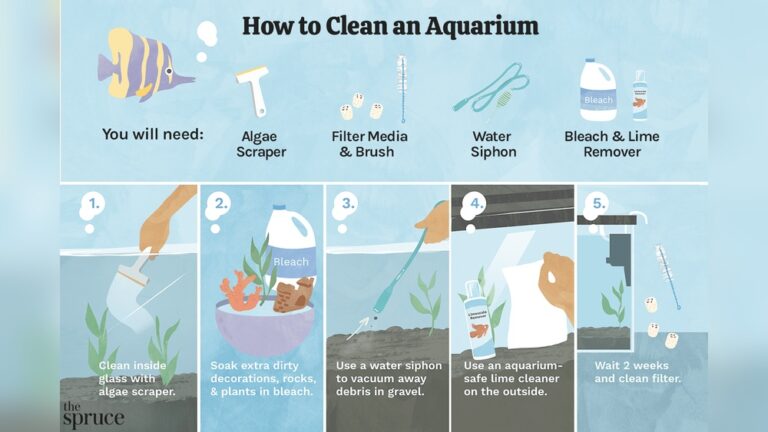
Clean the tank surface and decorations regularly. Remove algae and waste to prevent buildup. Change 20-30% of water weekly. Use a siphon to clean gravel and remove debris. Always use dechlorinated water for changes. Regular cleaning keeps fish healthy and water clear.
Troubleshooting Common Issues
Troubleshooting common issues in a 100 gallon fish tank helps keep your aquatic environment healthy. This section covers problems like algae growth, fish health concerns, and equipment failures. Each issue requires careful attention to maintain a balanced tank.
Algae Control
Algae can quickly take over a large tank. It makes the water look green and cloudy. Reduce algae by limiting light exposure to 8-10 hours daily. Avoid overfeeding fish because leftover food feeds algae. Use a good quality algae scraper to clean tank walls regularly. Adding algae-eating fish or snails can help control growth naturally.
Fish Health Problems
Fish may show signs of stress or illness. Look for unusual behavior like hiding or loss of appetite. Check for spots, discoloration, or torn fins. Poor water quality often causes these issues. Test water parameters like pH, ammonia, and nitrate levels. Perform water changes regularly to keep the tank clean. Quarantine new fish before adding them to prevent disease spread.
Equipment Failures
Equipment problems can harm your fish and tank environment. Filters may clog or stop working. Inspect and clean filters every few weeks. Heaters can break or give wrong temperatures. Use a separate thermometer to check water heat. Air pumps might stop producing bubbles, reducing oxygen levels. Keep spare parts ready and check equipment daily to avoid surprises.
Enhancing The Aquarium Experience
Enhancing the aquarium experience with a 100 gallon fish tank brings joy and relaxation. This size offers plenty of space for fish and plants to thrive. It also allows creativity and technology to improve the tank’s environment. Small changes can make a big difference in your enjoyment and your fish’s health.
Aquascaping Ideas
Aquascaping means arranging plants, rocks, and decorations in the tank. Use natural elements like driftwood and stones to create a peaceful scene. Choose plants of different heights to add depth and texture. Make open swimming spaces for active fish. Change decorations occasionally to keep the tank fresh and interesting.
Automation And Monitoring
Automation helps keep the tank stable and healthy. Use timers for lights and filters to keep a regular schedule. Automatic feeders give the right amount of food at set times. Monitoring tools check water temperature, pH, and cleanliness. Alerts can warn you if conditions change suddenly.
Feeding Techniques
Feed fish small amounts several times a day. Use a variety of food types like flakes, pellets, and frozen treats. Avoid overfeeding to keep the water clean. Observe fish during feeding to check their health. Remove uneaten food after a few minutes to prevent decay.

Credit: www.amazon.com
How Smart Pets Lover Can Help You with 100 Gallon Fish Tank
Learning Through Your 100 Gallon Fish Tank Journey
Diving into the world of a 100 gallon fish tank offers more than just a beautiful aquatic display—it’s a hands-on classroom in responsibility and care. As you set up your tank and select fish and aquatic life, you’re practicing patience and observation, essential skills for maintaining water quality and troubleshooting common issues. These steps teach you to read subtle signs in your tank’s ecosystem, deepening your connection with your aquatic pets.
- Understanding water chemistry helps build a foundation in biology and environmental science.
- Regular maintenance routines develop discipline and time management.
- Choosing compatible species sharpens decision-making and research skills.
At Smart Pets Lover, we believe every pet parent’s journey is filled with stories worth sharing—where every splash and shimmer reflects learning and love. For more detailed advice or to share your experiences, feel free to reach out via our contact page. Remember, nurturing your tank is nurturing your bond with nature itself.
Frequently Asked Questions
What Fish Are Best For A 100 Gallon Tank?
A 100 gallon tank suits medium to large fish like angelfish, gouramis, cichlids, and tetras. It offers enough space for schooling fish and active swimmers. Avoid overcrowding to keep fish healthy and happy. Choose species with compatible temperaments and water needs.
How Often Should I Clean A 100 Gallon Fish Tank?
Clean your 100 gallon tank every 1 to 2 weeks. Perform partial water changes of 20-30% to maintain water quality. Remove algae and debris regularly. Proper filtration reduces cleaning frequency. Consistent maintenance helps fish stay healthy and the tank clear.
What Equipment Is Essential For A 100 Gallon Aquarium?
Essential equipment includes a strong filter, heater, lighting, and air pump. A reliable filtration system maintains water quality. Heaters keep tropical fish comfortable. Proper lighting supports plant growth. An air pump ensures oxygen circulation. Choose equipment rated for 100 gallons.
How Much Does A 100 Gallon Fish Tank Cost?
A 100 gallon tank costs between $300 and $700, depending on brand and features. Additional expenses include equipment, decorations, and fish. Setup and maintenance costs vary based on tank complexity. Budget wisely to ensure a healthy environment for your fish.
Conclusion
A 100 gallon fish tank offers space for many fish and plants. It helps create a healthy environment for aquatic life. Proper care and regular cleaning keep the tank clear and safe. Choosing the right fish and decorations makes it beautiful.
This tank size fits well in homes and offices. Enjoy the calming effect of watching fish swim freely. Start with simple steps and learn as you go. Patience and attention bring success in fish keeping. A 100 gallon tank can be a rewarding hobby.